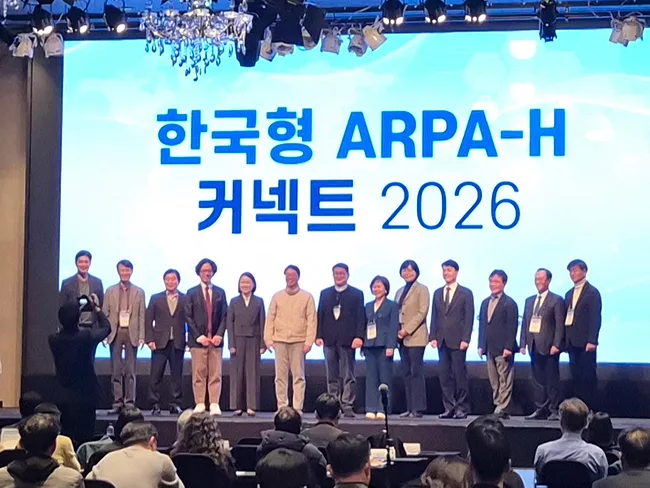
The K-health MIRAE Initiative, also known as Korean ARPA-H, announced plans to allocate about ₩162 billion (US$110 million) in nine new projects over the next five years, with a focus on strengthening national health security.
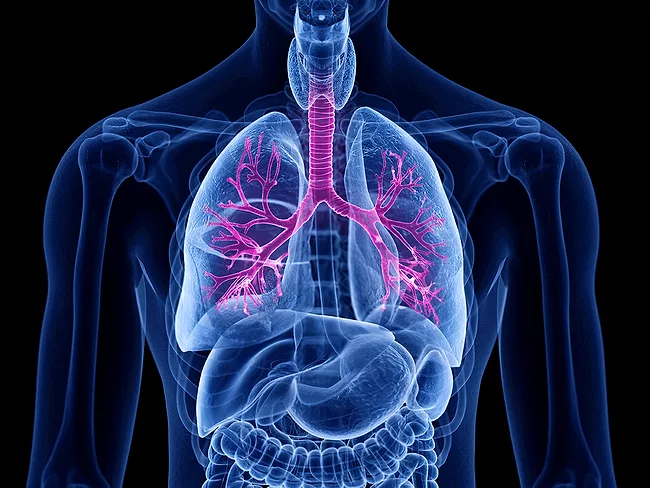
Researchers at Shenyang Pharmaceutical University reported the discovery and preclinical evaluation of a PDE4 inhibitor as a potential treatment for chronic obstructive pulmonary disease.
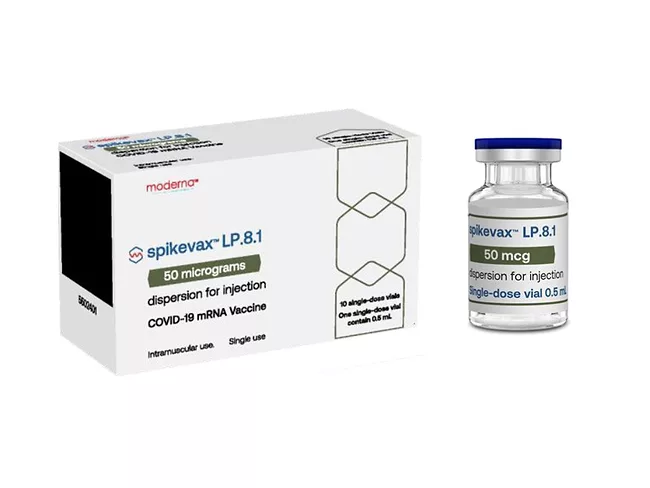
In what it says could be the largest disclosed patent settlement in the pharmaceutical industry, Roivant Sciences Ltd. has reached a potential $2.25 billion settlement with Moderna Inc. over the use of its lipid nanoparticle delivery technology in the Spikevax COVID-19 vaccine.
Antiverse Ltd. has announced the close of a $9.3 million series A financing. The funding will support expansion of the company’s proprietary AI antibody design platform, accelerate development of its internal therapeutic pipeline, and advance lead antibody programs toward in vivo efficacy studies.
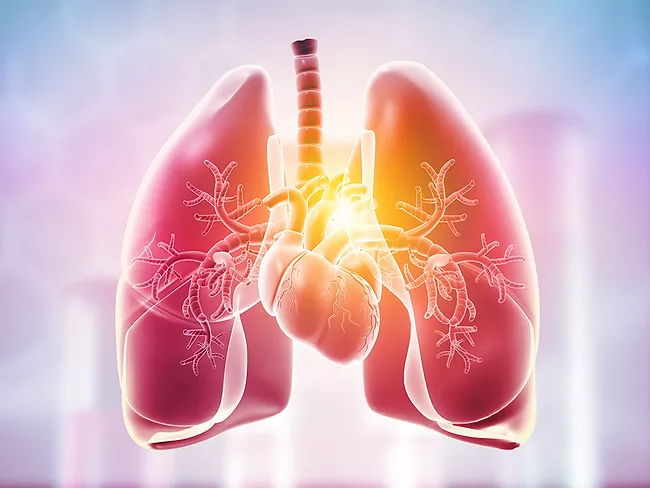
GSK plc is paying $950 million cash to acquire 100% of 35Pharma Inc.’s equity and pipeline, including phase II-ready candidate HS-235 for pulmonary hypertension. The acquisition agreement comes a day after GSK added two small interfering RNA assets from Nanjing, China-based Frontier Biotechnologies Inc. through a license deal reaching up to $1 billion.
In a boon for licensee Bristol Myers Squibb Co., Systimmune Inc.’s next-generation cancer drug, izalontamab brengitecan (iza-bren), hit both progression-free survival and overall survival endpoints in a phase III trial of Chinese patients with advanced triple-negative breast cancer.
In a boon for licensee Bristol Myers Squibb Co., Systimmune Inc.’s next-generation cancer drug, izalontamab brengitecan (iza-bren), hit both progression-free survival and overall survival endpoints in a phase III trial of Chinese patients with advanced triple-negative breast cancer.
Generate Biomedicines Inc. proved that enthusiasm hasn’t waned for TSLP as a target by pricing an IPO selling 25 million shares at $16 each for proceeds of $400 million. Generate’s lead compound is phase III-stage TSLP-targeting antibody GB-0895 and the company’s assigned Nasdaq ticker is GENB. The offering is expected to close on March 2.
Biofront Therapeutics (Beijing) Co. Ltd. has prepared and tested cathepsin L (CTSL) inhibitors potentially useful for the treatment of acute respiratory distress syndrome (ARDS), cancer, diabetes, liver injury, viral infections and bone, inflammatory and renal disorders, among others.
CF Pharmtech Inc. has announced approval from China’s National Medical Products Administration (NMPA) of an IND application filed by subsidiary Changfeng Suyue Pharmaceutical (Guangzhou) Co. Ltd. for ICF-004.
 RSS
RSS