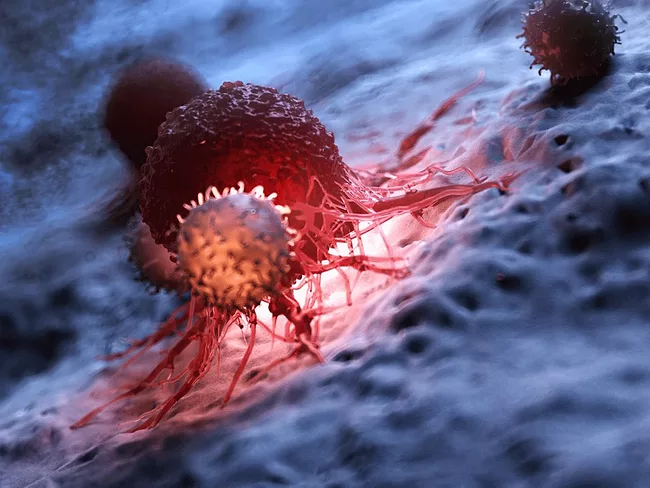
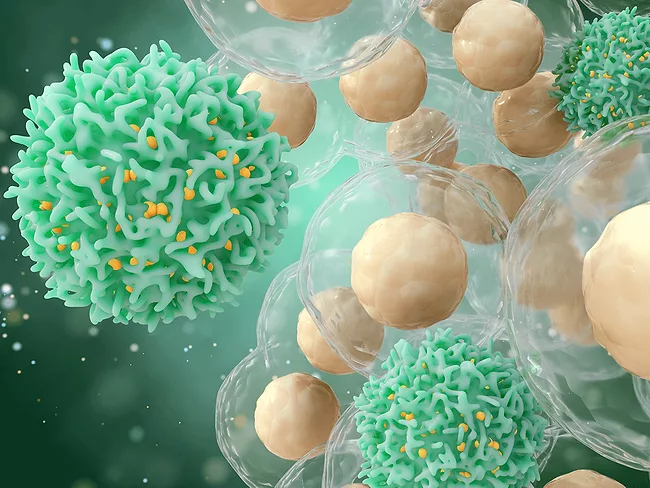
To be successful, CAR T-cells need a balance between being effective and overkill. Researchers from the University of Pennsylvania and Vittoria Biotherapeutics Inc. have eliminated the CD5 signaling pathway of their CAR Ts to prevent the immunosuppressive brake effect. In return, this improved their proliferation and antitumor activity in T cell lymphomas.
Artiva Biotherapeutics Inc. raised $167 million through an upsized IPO, with funds aimed at the development of its lead AlloNK program for systemic lupus erythematosus and other autoimmune indications. Just a few days ago, the San Diego based company had aimed to sell 8.4 million shares between $14 and $16 each, but it raised the number of shares offered to 13.92 million and lowered the price to $12 each. The upsize brings Artiva’s shares outstanding following the IPO to about 22.8 million, giving the company a market cap of $273.6 million based on the IPO price.
New company Pan Cancer T BV is preparing for a clinical trial of a next-generation T-cell receptor-engineered T cell it has designed to remove the current barriers and make T-cell therapies effective in treating solid tumors. Its products have two distinguishing features: They are targeted at antigens the company has shown are exclusively and robustly expressed by multiple solid cancers, and have a minor genetic modification that enhances the durability of autologous TCR-Ts in the tumor microenvironment after they are administered back into a patient.
The industry is looking, with renewed hope, to the “promise” of messenger RNA (mRNA) therapeutics for a wide range of diseases beyond COVID-19, and not only in vaccine form but also for gene and cell therapies.
Phase I/II data of IDCT (rebonuputemcel), a cell therapy in development for chronic and progressive lumbar degenerative disc disease and one that has both regenerative medicine advanced therapy and fast track designations in the U.S., has been published in the International Journal of Spine Surgery for showing statistically significant improvements in pain, disability and quality of life.
Soligenix Inc. investors were extremely enthusiastic about the positive interim update for the company’s cancer therapy and light device, Hybryte, for treating for treating early stage cutaneous T-cell lymphoma. The Princeton, N.J.-based company’s stock (NASDAQ:SNGX) soared a whopping 464% before closing at a more modest but still massive of 271% increase to $7.42 each on July 9.
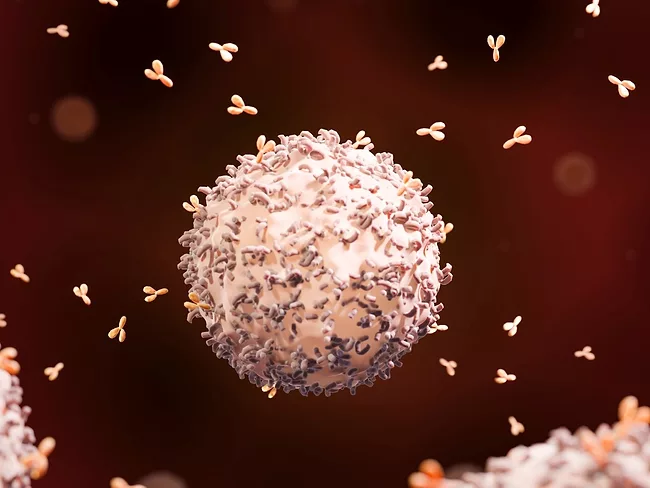
Scientists at the University of Washington have engineered human plasma B cells modified to express long-lasting bispecific antibodies that could be used to treat leukemia without requiring continuous dosing.
Merck Sharp & Dohme Corp. (MSD), known as Merck & Co. Inc. in the U.S. and Canada, terminated its potential $1.86 billion deal with San Diego-based Artiva Biotherapeutics Inc. for novel chimeric antigen receptor-natural killer cell therapies. GC Cell disclosed news of the terminated deal on the Korea Exchange near market close of June 25, saying it was notified by Artiva after the decision was reached by MSD’s internal decision makers.
A patient death and cases of pneumonitis overshadowed positive signs of efficacy for South San Francisco-based Lyell Immunopharma Inc.’s ROR1 CAR T-cell candidate, LYL-797, which is treating triple-negative breast cancer and non-small-cell lung cancer in a phase I trial.
Cambridge, U.K.-based Astrazeneca plc is looking to Asia, specifically China and Singapore, to build an innovative cancer-focused pipeline filled with antibody-drug conjugates (ADC), monoclonal antibodies (MAbs) and cell therapies.
 RSS
RSS