At the current pace of innovation in the U.S. rare disease space, developing and approving therapies for just half of the 10,000-plus known rare diseases would take more than 160 years, Bradley Campbell, president and CEO of Amicus Therapeutics Inc., recently told the Senate Committee on Aging.
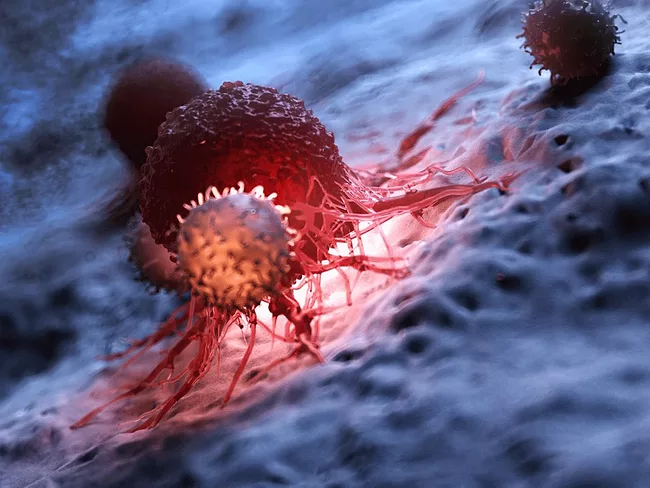
CAR T cells have been groundbreaking for the treatment of B-cell cancers. But 8 years after Kymriah (tisagenlecleucel, Novartis AG) became the first CAR T-cell therapy to be approved, there are no CAR Ts approved for solid tumors.
In handing a win to Regenxbio Inc., the U.S. Court of Appeals for the Federal Circuit also cleared some leaves from the 101 patent eligibility threshold after years of Supreme Court decisions cluttering the passageway.
Innovacell Inc. launched a ¥14.16 billion (US$91.2 million) stock sale on the Tokyo Stock Exchange Feb. 24, ending a near two-year lull of biotech listings in Japan while signaling a dynamic year ahead for cell-based therapeutics.
Astellas Pharma Inc. and Vir Biotechnology Inc. have signed a global co-development pact to advance VIR-5500, Vir’s PRO-XTEN dual-masked CD3 T-cell engager targeting prostate-specific membrane antigen for treating prostate cancer. Under the deal terms, San Francisco-based Vir will receive $335 million in up-front and near-term payments, including $240 million in cash, $75 million in equity investment and a $20 million near-term milestone. Vir is also eligible to receive up to $1.37 billion in development, regulatory and sales-based milestones plus royalties on ex-U.S. sales.
Almost three months to the day after Protara Therapeutics Inc. made known positive interim data from the phase II trial testing cell-based therapy TARA-002 in pediatric patients with macrocystic and mixed cystic lymphatic malformations (LMs), Palvella Therapeutics Inc. scored positive top-line results from the phase III Selva study evaluating Qtorin 3.9% rapamycin anhydrous gel for microcystic LMs.
Gilead Sciences Inc. is acquiring partner Arcellx Inc. at a value of up to $7.8 billion, consisting of $115 per share up front and a potential payment of $5 per share through a contingent value right.
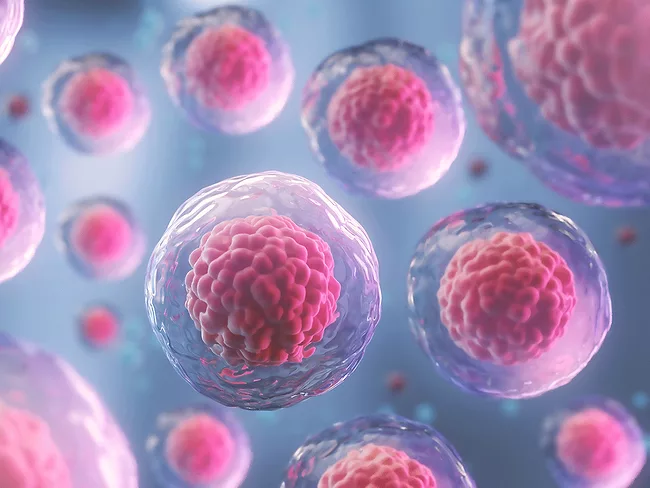
Japan is backing conditional approvals of Amchepry (raguneprocel, Sumitomo Pharma Co. Ltd./Racthera Co. Ltd.) and Reheart (Cuorips Inc.), positioning them to become the world’s first induced pluripotent stem cell-derived (iPSC) therapies to receive regulatory clearance.
After raising $61 million in a series B round, Vibrant Therapeutics Inc. is gearing up to begin a U.S. phase I trial with its lead program, VIB-305, a masked T-cell engager (TCE) for treating EGFR-positive solid tumors.
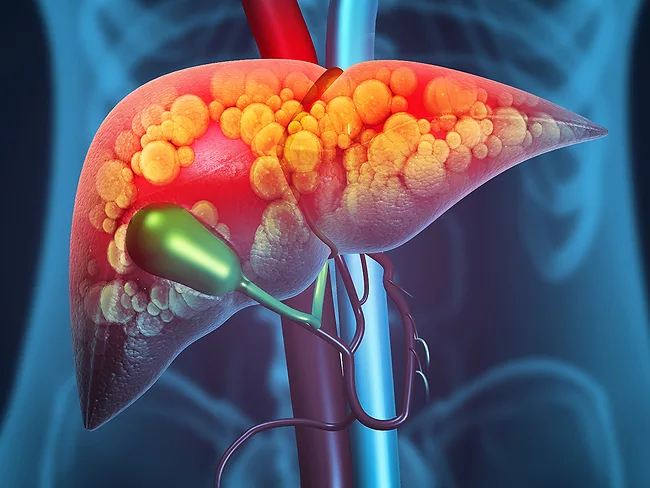
Liver fibrosis in the course of metabolic dysfunction-associated steatohepatitis could be significantly reduced using CAR T-cells generated in vivo. Scientists at the Icahn School of Medicine at Mount Sinai have developed an experimental cell therapy that eliminates only one type of liver cell, the stellate cells that express fibroblast activation protein alpha. This strategy not only reduced fibrosis but also reversed liver damage.
 RSS
RSS