Pinnacle Medicines Inc. secured $89 million in a series B financing, bringing the total raised by the company to $134 million. The round was co-led by LAV and Foresite Capital.
Pinnacle Medicines Inc. secured $89 million in a series B financing, bringing the total raised by the company to $134 million. The round was co-led by LAV and Foresite Capital.
Endomet Biosciences Inc. (dba Endocyclic Therapeutics) has obtained IND clearance from the FDA for its lead program, ENDO-205, a first-in-class, nonhormonal targeted peptide therapeutic for endometriosis.
Kalohexis LLC has launched as a spin-out from Endevica Bio Inc. with the goal of advancing the clinical development of a portfolio of drug candidates harnessing the melanocortin system for the treatment of metabolic disorders such as obesity and cancer cachexia.
Academia Sinica and National Cheng Kung University have divulged peptides and their lipid nanoparticles formed on encapsulation by 1,2-dioleoyl-sn-glycero-3-phosphocholine (DOPC), cholesterol and DSPE-PEG2K liposomes reported to be useful for the treatment of cancer.
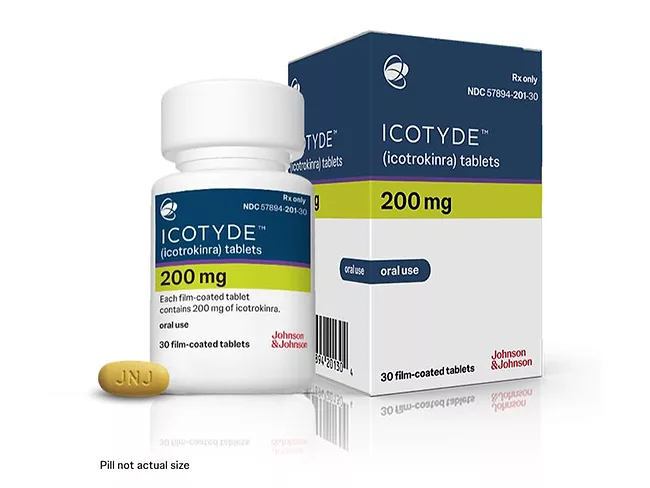
Awaiting the potential U.S. FDA approval of a second product this year, Protagonist Therapeutics Inc. with partner Johnson & Johnson won the go-ahead for oral peptide Icotyde (icotrokinra), an IL-23 receptor antagonist, to treat moderate to severe plaque psoriasis in adults and pediatric patients 12 and older who weigh at least 40 kg and who are candidates for systemic therapy or phototherapy.
The GLP-1 fight has moved from injectables to pills, and Structure Therapeutics Inc. is in the ring with phase III-ready aleniglipron. According to the Bay Area biotech, its oral once-daily glucagon-like peptide-1 (GLP-1) drug candidate, aleniglipron, demonstrated an absolute weight loss of “up to 39 pounds” in the 44-week Access II trial.
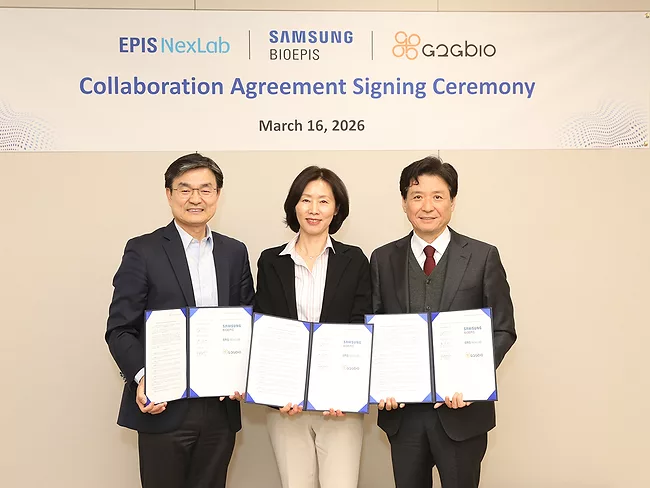
G2Gbio Inc. secured a ₩20 billion (US$13.35 million) investment from Samsung Epis Holdings Co. Ltd. and a joint research and license agreement for two assets, including a long-acting obesity treatment, with subsidiary Samsung Bioepis Co. Ltd. March 16.
G2Gbio Inc. secured a ₩20 billion (US$13.35 million) investment from Samsung Epis Holdings Co. Ltd. and a joint research and license agreement for two assets, including a long-acting obesity treatment, with subsidiary Samsung Bioepis Co. Ltd. March 16.
If one could sweep the brain clean and send the toxic substances that drive neurodegeneration to the recycling bin, perhaps one could treat Alzheimer’s disease. Researchers at the Chinese Academy of Sciences propose a new therapeutic strategy that uses synthetic peptides that bind to amyloid-β (Aβ) and direct it toward lysosomes. In addition, researchers at the Washington University School of Medicine in St. Louis have genetically modified astrocytes in vivo to express chimeric antigen receptors (CARs) that recognize and phagocytose Aβ plaques.
 RSS
RSS