Benevolentai Ltd. is betting on its oral phosphodiesterase 10 inhibitor BEN-8744 as having first-in-class potential for moderate to severe ulcerative colitis, after healthy volunteers in a phase Ia trial remained free of central nervous system-associated side effects.
Neuromuscular disease specialist NMD Pharma A/S has been given U.S. FDA approval for a phase IIb trial of NMD-670, after demonstrating proof of mechanism for the orally-available chloride ion channel-1 inhibitor in generalized myasthenia gravis.
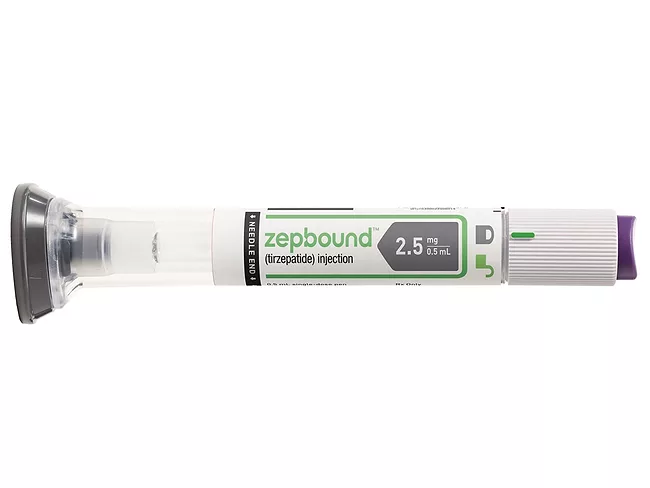
When it comes to whether Medicare Part D should cover the new anti-obesity drugs, the U.S. Centers for Medicare & Medicaid Services and lawmakers may be caught between the math and public pressure.
Kazia Therapeutics Ltd. has out-licensed paxalisib as a potential treatment for intractable epilepsy in focal cortical dysplasia type 2 and tuberous sclerosis complex disease in a carve-out deal with Sovargen Co. Ltd. for $20.5 million plus sales royalties.
An MHRA investigation that began in the U.K. 16 years ago has concluded with Kamlesh Vaghjiani, a former director of Kappin Ltd., being sentenced to concurrent prison sentences of eight and seven months, both of which are suspended for a year and a half.
Asieris Pharmaceuticals Co. Ltd plans to submit a China NDA in the second quarter following positive phase III data for its cold light photodynamic drug-device combination product, Cevira, which is used as nonsurgical therapy for treating high-grade cervical dysplasia.
China’s National Medical Products Administration (NMPA) approved Kechow Pharma Inc.’s MEK inhibitor, tunlametinib, for treatment of patients with NRAS-mutated advanced melanoma who were previously treated with PD-1/PD-L1 inhibitors. The Center for Drug Evaluation granted tunlametinib a priority review. The approval marks the first targeted therapy for this patient population and the first product that originated from Kechow, a privately held firm founded in 2014 to develop small-molecule therapeutics against cancer.
Fennec Pharmaceuticals Inc. has out-licensed its chemoprotective formulation of sodium thiosulfate, Pedmarqsi, to Norgine BV for €40 million (US$44 million) up front and up to an additional €210 million (US$229 million) in commercial and regulatory milestones. The injectable drug reduces the risk of cisplatin-induced ototoxicity in pediatric patients 1 month and older with localized, nonmetastatic solid tumors.
Aquestive Therapeutics Inc.’s oral epinephrine prodrug to treat life-threatening allergic reactions, Anaphylm, produced a faster time to maximum concentration than currently available autoinjectors in healthy adults, early pivotal phase III data show, meeting both pharmacokinetic (PK) primary and secondary endpoints.
Top-line phase II results of privately held Ocuterra Therapeutics Inc.’s novel selective small-molecule RGD integrin inhibitor, nesvategrast (OTT-166), showed it failed to meet primary and key secondary endpoints in patients with diabetic retinopathy, prompting the Boston-based company to seek strategic alternatives.

 RSS
RSS