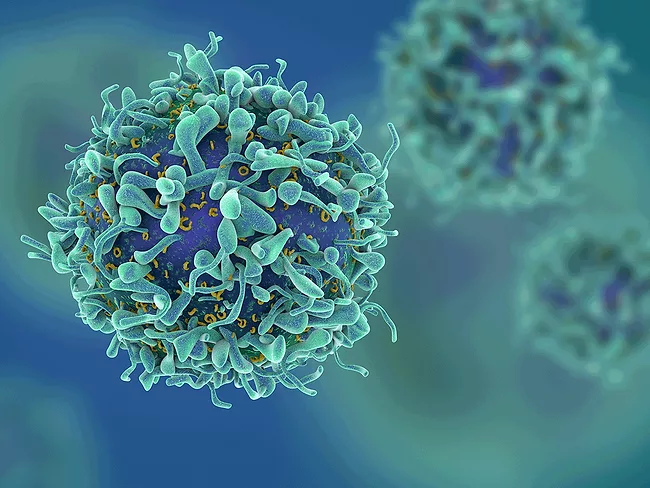
LONDON – T cells generated as a result of infection with common cold coronaviruses provide cross-protection against being infected with SARS-CoV-2, according to a new study.
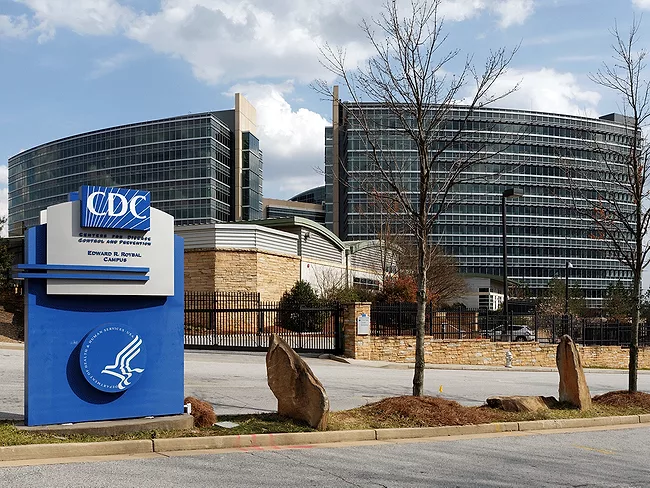
Within hours of a Jan. 5 vote on COVID-19 boosters for adolescents, U.S. CDC Director Rochelle Walensky endorsed the Advisory Committee on Immunization Practices’ (ACIP) recommendation that all adolescents aged 12-17 years should receive a booster dose five months after their primary series. The recommendation applies to the Pfizer Inc.-Biontech SE COVID-19 vaccine, as it’s the only one authorized in the U.S. for use in adolescents.
Once the CDC accepts the recommendation of its Advisory Committee on Immunization Practices (ACIP), the COVID-19 vaccine regimen, at least for the Pfizer Inc.-Biontech SE vaccine, will include a booster dose for everyone 12 and older. ACIP voted 13-1 at a Jan. 5 emergency meeting to recommend the booster dose for 12- to 17-year-olds at least five months after a primary series of the Pfizer vaccine.
Just as the world appeared to be winning the battle against COVID-19, the rules of the game changed. Omicron and concerns about future variants flipped the board. Vaccines and monoclonal antibodies are attracting fresh scrutiny as SARS-CoV-2 evolves. Cases are climbing closer to the highest levels recorded since the pandemic began. Antivirals are aiming to fill treatment gaps, but whether they will or not is about as clear as the virus’ next move.
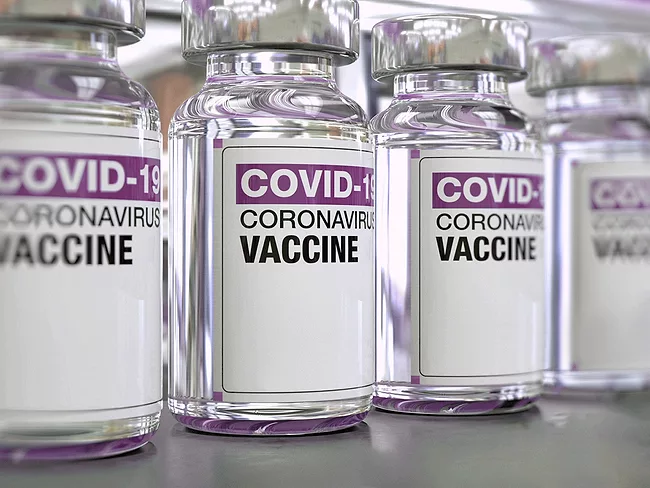
With Omicron spreading rapidly, U.S. COVID-19 vaccine producers are facing increasing pressure to up their production and to do more to ensure their vaccines are accessible globally.
Astrazeneca plc has confirmed it is working with Oxford University to produce a vaccine against the Omicron variant of the SARS-CoV-2 virus. The Cambridge, U.K.-based pharma was one of the first to get a COVID-19 vaccine okayed by regulators, after acquiring rights to the shot from Vaccitech plc, a spin-out from Oxford University’s Jenner Institute specialist vaccine unit.
Aridis Pharmaceuticals Inc. is one of two companies posting COVID-19 data just days before Christmas. Its fully human monoclonal antibody cocktail, AR-701, was shown to be broadly reactive against COVID-19 variants, including Omicron, in preclinical research. Moderna Inc. also posted new data that showed preliminary neutralizing data against Omicron following 50-mg doses of its vaccine, which is currently authorized, and 100-mg dose boosters, which increased neutralizing antibody levels 83-fold from the pre-boost levels.
Everest Medicines Ltd. and Providence Therapeutics Holdings Inc.’s COVID-19 vaccine was cleared for inclusion in the World Health Organization’s (WHO) Solidarity Trial Vaccines clinical trial.
In the face of rare, sometimes fatal, side effects associated with Janssen’s COVID-19 vaccine, the CDC’s Advisory Committee on Immunization Practices (ACIP) voted unanimously to recommend that the agency say it prefers mRNA COVID-19 vaccines over the Janssen vaccine for preventing COVID-19 in those ages 18 years and older.
Vaccine specialists Sanofi SA and Glaxosmithkline plc have been behind the curve throughout the pandemic, with upstarts such as Moderna Inc. and Biontech SE stealing the show with their ground-breaking mRNA technology. While their rivals were beginning to launch the first wave of vaccines early last year, Sanofi and GSK had to reformulate theirs after it failed to produce a strong enough immune response in older people. New results show that the shot, SP-0253, could play a role as a booster but there will be another delay after the companies struggled to recruit enough participants in a crucial phase III trial.
 RSS
RSS