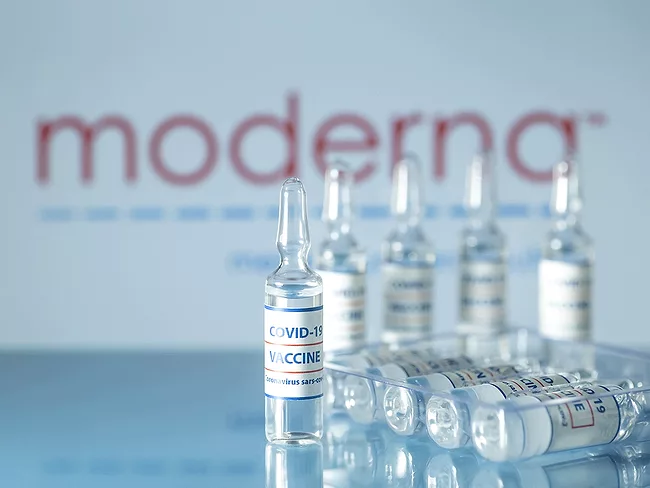
The U.S. NIH said it will go to court if necessary to defend its role in developing Moderna Inc.’s COVID-19 vaccine. NIH spokeswoman Renate Myles told BioWorld that the agency “is not giving up on our claim that NIH is a co-inventor on the mRNA technology used in the Moderna’s COVID-19 vaccine but defers to legal authorities on how this might be resolved.”
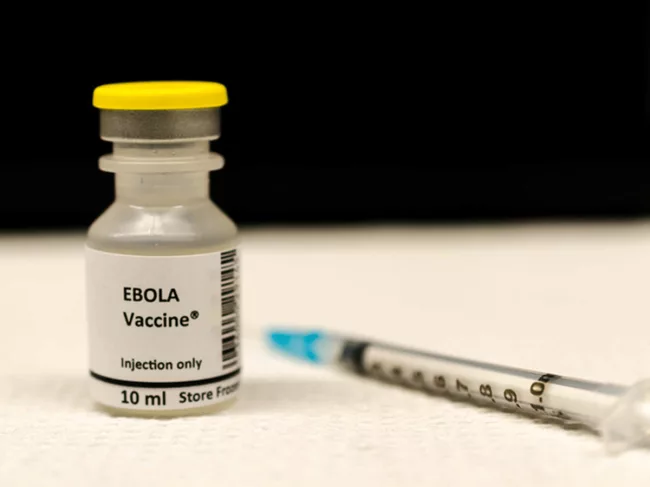
The University of Oxford has begun recruiting for a phase I Ebola vaccine trial, with the first vaccinations based around the same technology as the university’s COVID-19 vaccine.
LONDON – Intensive monitoring of health care workers at two hospitals in London showed that despite having a blood biomarker of infection, 58 of them did not test positive for COVID-19 at any point, suggesting they may have been clearing subclinical infections before seroconversion.
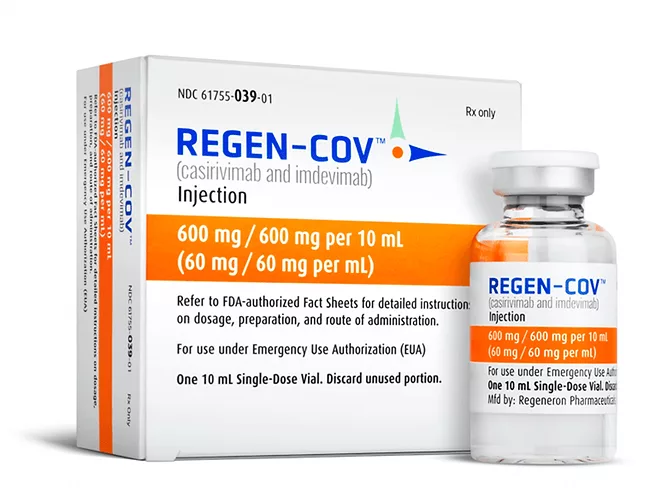
New positive phase III study results for Regeneron Pharmaceuticals Inc.’s COVID-19 monoclonal antibody cocktail show a single dose reduced the risk of contracting the virus by 81.6% during a two- to eight-month follow-up period. The strong data go along with Pfizer Inc.’s recent positive results for its oral antiviral, Paxlovid, hinting that COVID-19 therapeutics could begin cutting into powerful mRNA vaccine margins from Pfizer Inc.-Biontech SE and Moderna Inc.
Sichuan Clover Biopharmaceuticals Inc. raised HK$2.03 billion (US$260.17 million) in its Hong Kong Stock Exchange debut. Shares closed at HK$12.98 (US$1.67) on Nov. 5 after trading as high as HK$13.56 earlier.
A few hours after the U.S. CDC Advisory Committee on Immunization Practices’ Nov. 2 recommendation to allow children ages 5 through 11 to be administered Pfizer Inc. and Biontech SE’s COVID-19 vaccine, Comirnaty (tozinameran), the agency’s director, Rochelle Walensky, endorsed the recommendation. The recommendation came as the World Health Organization (WHO) expanded the COVID-19 vaccines it recommends in the fight against the pandemic by endorsing Bharat Biotech International Ltd.’s Covaxin.
In a move that had been expected, the CDC’s Advisory Committee on Immunization Practices unanimously recommended the Pfizer Inc.-Biontech SE COVID-19 vaccine as safe and beneficial for children ages 5 through 11. The recommendation, coming from a 14-0 vote, is the committee’s way of reassuring the American public that the vaccine is safe, according to committee member Beth Bell, clinical professor in the School of Public Health at the University of Washington in Seattle.
As booster shots become increasingly available and COVID-19 vaccines for young children are introduced into pediatric offices, several potential therapeutics to battle the SARS-CoV-2 virus are lining up for regulatory authorizations.
An ongoing evaluation of heart muscle inflammation risk, a key concern with mRNA COVID-19 vaccines globally, could delay through January 2022 completion of an FDA review of Moderna Inc.'s vaccine in adolescents 12 to 17 years of age. The side effect, called myocarditis, has been a particular concern with regulators, especially for adolescents and young men.
The FDA has granted emergency use authorization (EUA) to the COVID-19 vaccine created by Pfizer Inc.-Biontech SE for use in children ages 5 through 11. This is the first EUA for a COVID-19 vaccine to be awarded for this group of roughly 28 million children in the U.S. and it comes after weeks of lengthy debate among experts about the wisdom of targeting the young demographic.
 RSS
RSS