Pfizer Inc.’s Ticovac has been approved by the FDA for immunizing those ages 1 year and older against tick-borne encephalitis, a disease that’s not endemic to the U.S. but increasingly is found in Europe and Asia. Ticovac, developed with a master seed virus, was first approved outside the U.S. 45 years ago. Before the FDA approval, the CDC had recommended that travelers on their way to high-risk areas be vaccinated in Europe though the process could take up to six months.
The CDC’s Advisory Committee on Immunization Practices (ACIP) deliberated the matter of third COVID-19 shots, with panel members voting whether to recommend “additional doses of mRNA COVID-19 vaccines as part of a primary [two-shot] series” in certain immunocompromised patients. A work group set up by ACIP decided previously that the desirable consequences outweighed undesirable ones in such a population.
The FDA has made allowances for a third COVID-19 vaccine dose to protect certain adults with compromised immune systems. The amended emergency use authorization amendments allow for booster doses of mRNA vaccines from Pfizer Inc.-Biontech SE and Moderna Inc.
According to the White House, the FDA is poised to allow COVID-19 booster shots from Pfizer Inc. and Moderna Inc., the two mRNA vaccines, but only for those people with compromised immune systems. The FDA announcement was anticipated to be as early as today, Aug. 12, and the boosters could be available as quickly as this coming weekend.
LONDON – Stopping people under 40 from receiving Astrazeneca plc’s COVID-19 vaccine has put an end to the serious blood-clotting syndrome associated with the product, with no new cases in the U.K. for the past four weeks, according to an expert panel of hematologists.
MRNA’s the thing and special purpose acquisition company (SPAC) Environmental Impact Acquisition Corp. is following as it will merge with privately held mRNA-developer Greenlight Biosciences Inc.
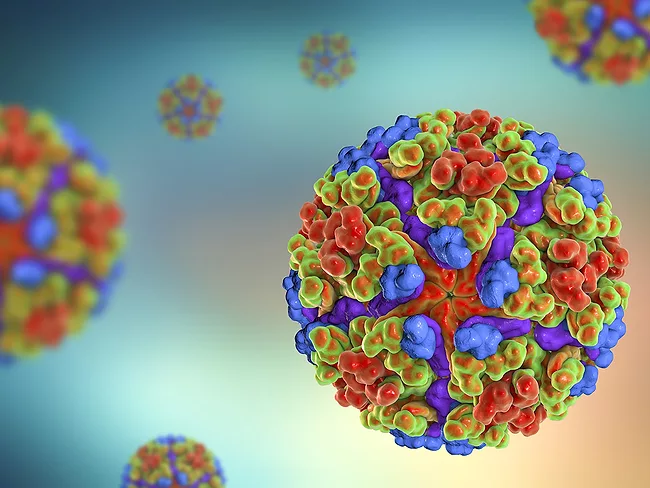
Positive phase III top-line results for Valneva SA’s chikungunya virus vaccine candidate, VLA-1553, show the study met its primary endpoint of inducing neutralizing antibody titers, setting it up for possible accelerated approval.
LONDON – Relaxing of control measures such as mask wearing and social distancing at a time when most of a population has been vaccinated against COVID-19 greatly increases the probability of the emergence of a vaccine-resistant strain, according to a new modeling study.
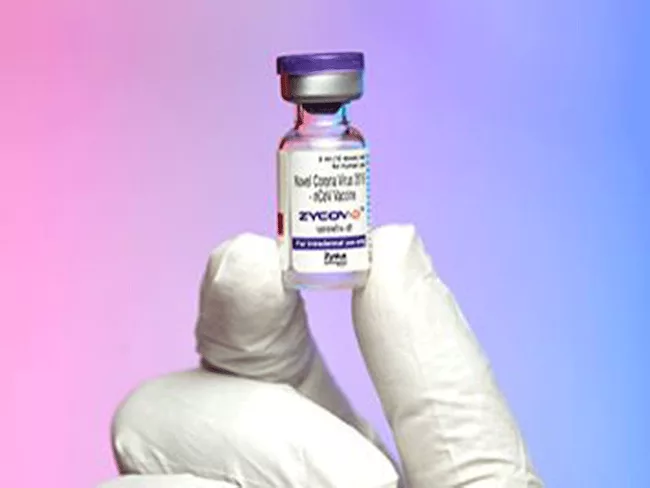
Zydus Cadila Group could make history after applying for approval for the first ever human DNA vaccine in India. But that could be just the start for a technology that could treat a vast array of diseases, including cancer, infectious diseases and chronic diseases.
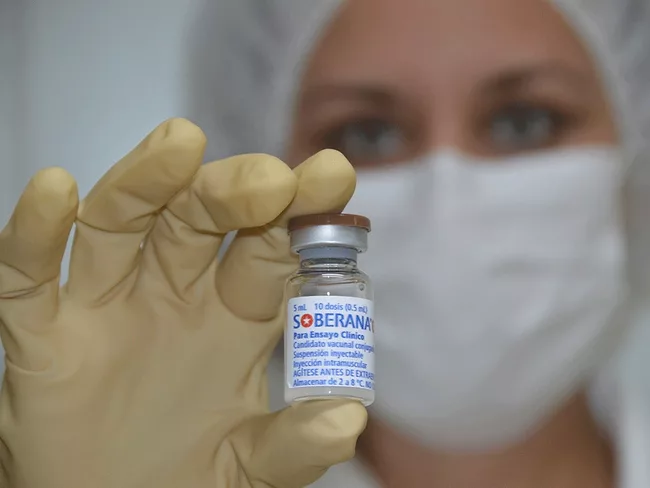
Interim data for Soberana-02, a Cuban COVID-19 conjugate vaccine, surpassed the threshold set by the WHO, according to the Finlay Institute of Vaccines (IFV) in Havana that developed it, although the results have not been peer reviewed.

 RSS
RSS