Eight months after Beijing-based Yisheng Biopharma Co. Ltd. unveiled its recombinant protein vaccine candidate for COVID-19, YS-SC2-010, the company raised $130 million in a series B round to pave way for the vaccine to enter clinical trials in the second quarter of this year, the company’s CEO David Shao told BioWorld.
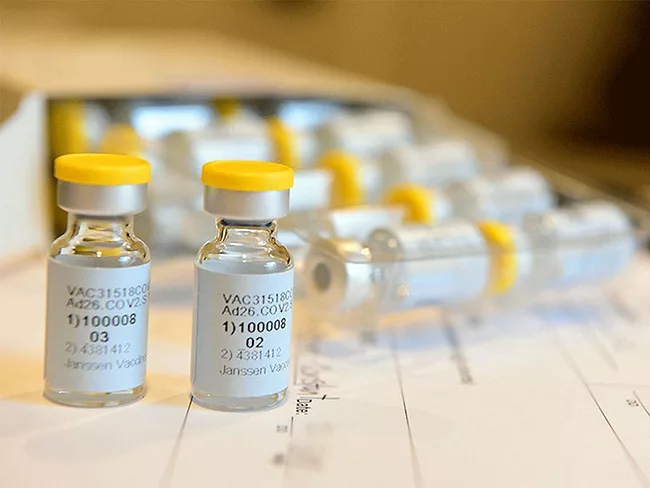
Briefing documents released by the FDA related to the Vaccines and Related Products Advisory Committee meeting slated for Friday suggest that the COVID-19 vaccine from Johnson & Johnson (J&J) will sail smoothly to an emergency use authorization.
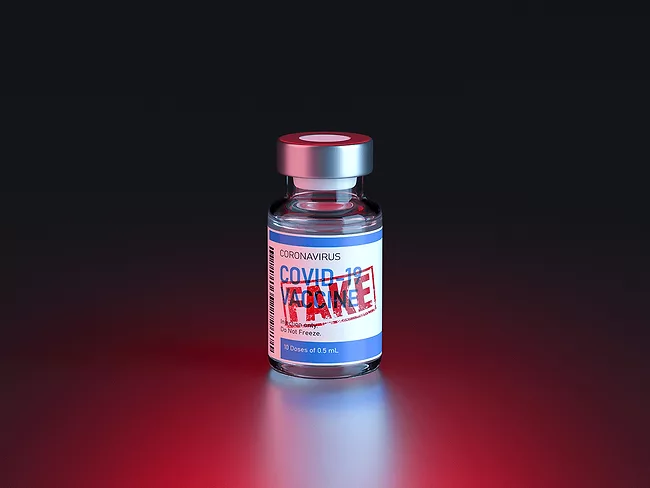
CAJICA, Colombia – A cooler box with 70 vials allegedly filled with counterfeit COVID-19 vaccines seized from a Chinese couple in Colombia’s El Dorado International Airport on Feb. 17 underscored the growing challenges facing pharmaceutical companies, law enforcement authorities and health care regulators around the world. Patient safety, company liability, and the security of distribution channels have all been areas of growing concern.
PERTH, Australia – With the first COVID-19 vaccine ready to be launched in Australia, the Therapeutic Goods Administration has released guidance on its pharmacovigilance plan to track real-world safety data and adverse events following immunization.
Pfizer Inc. and Biontech SE submitted new data to the FDA showing its COVID-19 vaccine’s stability can be maintained at temperatures often found in pharmaceutical freezers and refrigerators: -13°F to 5°F (-25°C to -15°C).
In the shadow of the COVID-19-related deaths of more than half a million Americans and far more deaths across the world, the Biden administration is reportedly rethinking its position on a proposal before the World Trade Organization to waive intellectual property protection for SARS-CoV-2 vaccines.
Pfizer Inc. and Biontech SE submitted new data to the FDA showing its COVID-19 vaccine’s stability can be maintained at temperatures often found in pharmaceutical freezers and refrigerators: -13°F to 5°F (-25°C to -15°C). That’s cold but not nearly as cold as the mRNA-based vaccine’s emergency use authorization label calls for, which is storage in an ultra-cold freezer at temps of between -112 to -76 degrees Fahrenheit (-80 and -60 degrees Celsius).
CAJICA, Colombia – A cooler box with 70 vials allegedly filled with counterfeit COVID-19 vaccines seized from a Chinese couple in Colombia’s El Dorado International Airport on Feb. 17 underscored the growing challenges facing pharmaceutical companies, law enforcement authorities and health care regulators around the world. Patient safety, company liability, and the security of distribution channels have all been areas of growing concern.
In a Feb. 17 update to its guidance on managing clinical trials during the COVID-19 pandemic, the U.K.’s Medicines and Healthcare Products Regulatory Agency (MHRA) said all sponsors of ongoing clinical trials for indications other than treatment or prevention of COVID-19 are required to evaluate the impact a COVID-19 vaccine may have on the trial.
LONDON – The EU is taking concerted action to detect new variants of SARS-CoV-2, investing €225 million (US$270 million) to increase viral genome sequencing to 5% of positive cases across Europe, and to carry out research on their evolution and transmissibility.

 RSS
RSS