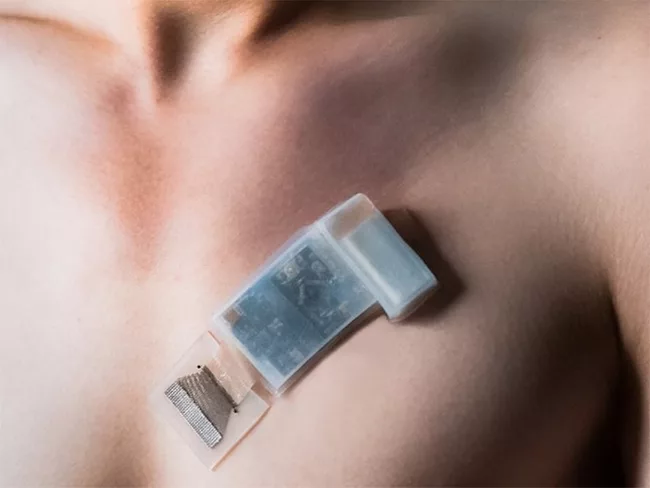
They call it the world's “first fully integrated wearable” ultrasound system for evaluating cardiovascular function while you walk, run, even ride a bicycle. Built on the nanoengineering research at the University of California San Diego (UCSD) the wearable ultrasonic system-on-patch (USoP) employs machine learning to interpret deep tissue vital signs data and track subjects in motion.
The French national authority for health (HAS) has provisionally set up CEDiag, a committee for assessing diagnostic, prognostic or predictive health technologies. This new national committee will cover the field of clinical procedures, including radiology, clinical biology and anatomo-cytopathology examinations, diagnostic drugs such as contrast agents used in medical imaging and radiopharmaceutical drugs, as well as medical devices such as self-testing kits.
The U.S. FDA has given the greenlight to Sparrow Acoustics Inc. (dba Sparrow Bioacoustics) for its Stethophone, a software-based technology that allows doctors and nurses to check a patient’s heart and lung sounds using a smartphone. Providers simply hold the smartphone against the patient’s chest to listen for possible abnormalities.
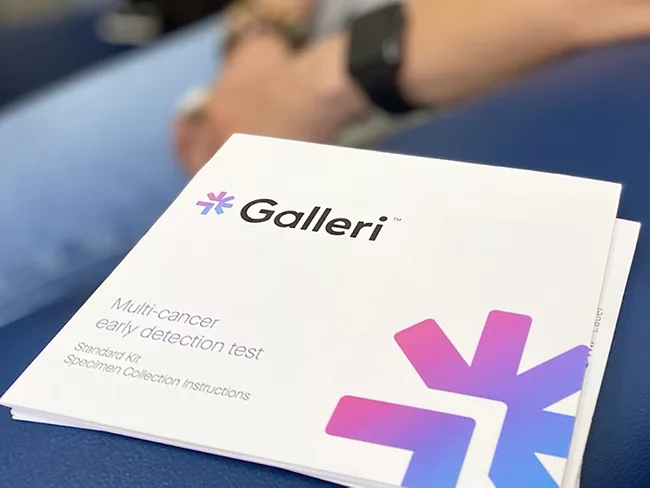
In the flurry of presentations on early detection of cancer at the 2023 American Society of Clinical Oncology Annual Meeting, Grail LLC stood out for the number of sessions and the strength of its results. In a real-world study presented, Grail’s Galleri multi-cancer early detection (MCED) test cancer signal origin (CSO) demonstrated accuracy of 91%.
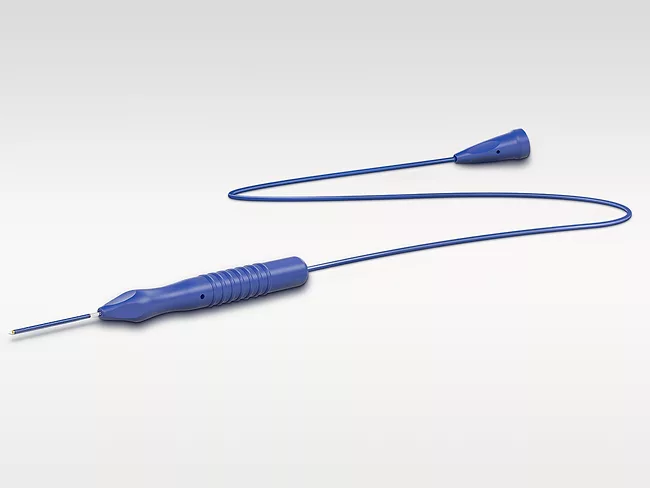
Creo Medical Group plc says it is poised to address the mismatch between the advances in screening technology, which are making it possible to detect early-stage lung cancer, and the current invasive and inappropriate methods of treating it, following the first-in-human use of its Microblate Flex microwave ablation device.
The 2023 American Society for Clinical Oncology Annual Meeting featured several notable developments on the diagnostics side, including significant advances in multi-cancer early detection (MCED). Grail Inc. presented its results from SYMPLIFY, the first major study of its MCED test in symptomatic patients. The test showed a negative predictive value of more than 97% and a positive predictive value that exceeded 75% in individuals who presented to primary care with non-specific symptoms that prompted a referral for cancer evaluation.
Avacta Group plc has continued its growth through M&A strategy with the acquisition of Coris Bioconcept Sprl, a developer of rapid diagnostic test kits, for an up-front cash consideration of £7.4 million (US$9.3 million). The Coris deal comes on the back of its £24 million purchase of Launch Diagnostics Holdings Ltd last year, as Avacta works on building up its diagnostics division.
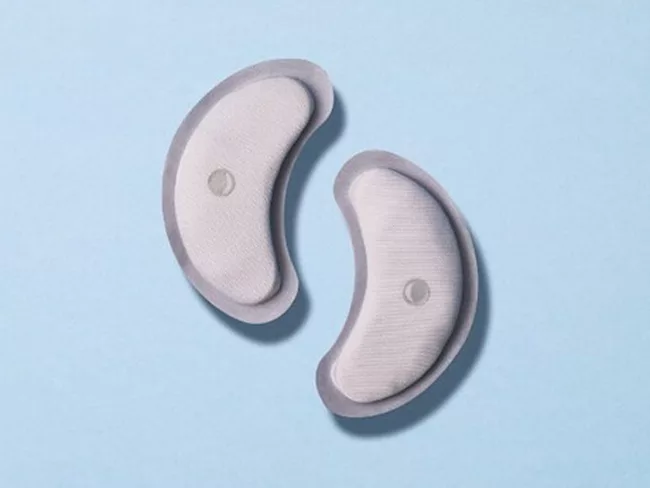
Wesper Inc., a longitudinal and wireless clinical-grade sleep testing platform, showed ‘exceptional accuracy’ in a head-to-head comparison with polysomnography in a study published in The Journal of Clinical Sleep Medicine. The wireless, longitudinal sleep testing platform had a breathtaking 95% correlation with the cumbersome gold standard test for sleep apnea.
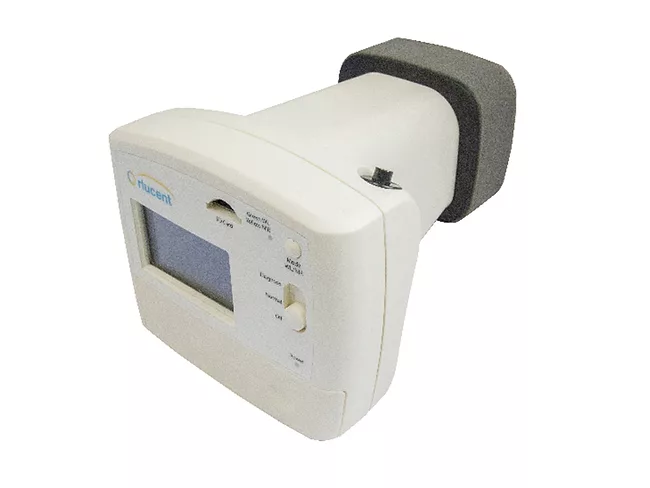
If Orlucent Inc. has its way atypical moles in adults will soon give up their secrets to clinicians on the lookout for skin cancer, this after the Los Gatos, Calif.-based company received a U.S. FDA breakthrough device designation for its non-invasive Orlucent skin fluorescence imaging system. The system is a hand-held point-of-care molecular-based imaging device that identifies “tissue remodeling activity” inside atypical moles that could be a precursor to early melanoma.
Startup Brightheart SAS raised €2 million (US$2.14 million) in seed financing, from Sofinnova Partners, that will allow the company to accelerate the development of its artificial intelligence software, which helps physicians detect congenital heart defects in fetuses. Brightheart hopes that the technology will improve the detection of complex congenital heart defects during prenatal ultrasound screening as intervening early could address fetal malformations or abnormalities and improve a baby’s chance of survival.
 RSS
RSS