Cofactor Genomics Inc. opened the non-small-cell lung cancer portion of its study of the Oncoprism test, which predicts response to immunotherapy. The Predicting Immunotherapy Efficacy from Analysis of Pre-treatment Tumor Biopsies (PREDAPT) trial will study the test’s predictive ability in 11 cancers in total.
Guardant Health Inc. reported positive results from the ECLIPSE trial demonstrating 83% sensitivity of its DNA blood test in detecting colorectal cancer (CRC) in average-risk adults. Specificity was 90% in people without advanced neoplasia, as well as in those who had a negative colonoscopy result.
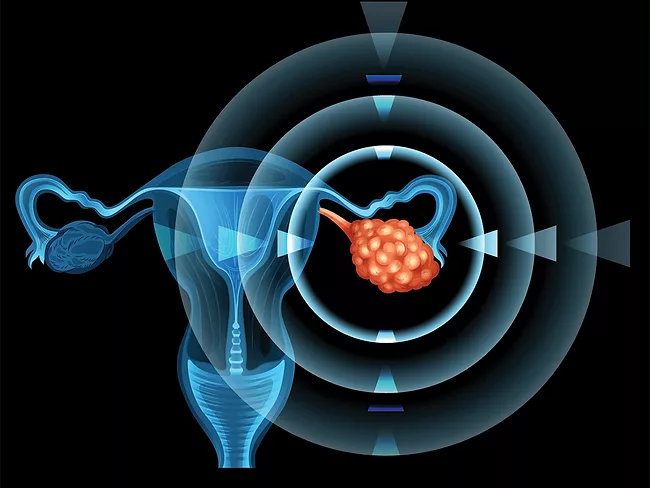
A feasibility study conducted by the University of Queensland (UQ) confirmed the utility of Inoviq Ltd.’s exosome-based ovarian cancer screening test for isolating extracellular vesicle (EV) biomarkers. The Ovarian Cancer 97 study (OC97) screened data from 97 plasma samples and identified significant differences between the EV biomarker content of ovarian cancer and healthy control samples.
Even though Cytokinetics Inc. received applause for testing its heart failure drug, omecamtiv mecarbil, in the second largest global heart disease clinical trial ever, the drug didn’t get a standing ovation from the U.S. FDA’s Cardiovascular and Renal Drugs Advisory Committee (CRDAC) Dec. 13.
Olive Diagnostics Pvt. Ltd. is looking to raise $10 million in a series A funding round to extend sales and marketing activities, after getting CE approval for its urine analysis device that mounts on any toilet. Among other parameters the device, Olive KG, can measure red blood cells, proteins, nitrates, pH levels volume, pressure and frequency of urination.
What could be Cytokinetics Inc.’s first approved drug will take center stage Dec. 13 at a meeting of the U.S. FDA’s Cardiovascular and Renal Drugs Advisory Committee. But judging from the FDA’s briefing document for the meeting, the spotlight on the heart failure drug, omecamtiv mecarbil, could be harsh.
Enzyre BV reported closing a $12.5 million series A round to ramp development of its micro diagnostics platform used for monitoring blood coagulation status at home.
The companion diagnostic (CDx) has been a mainstay of oncology care for several years, but Richard Pazdur, director of the U.S. FDA’s Oncology Center of Excellence (OCE), said recently in a public forum recently that the notion of a single CDx for an investigational drug has not served patients well. Pazdur said OCE and the FDA’s Center for Devices and Radiological Health are working on a pilot program that would entail the publication of performance standards for the tests used in these trials, a development that would lead to more routine development of lab-developed tests (LDTs) for these studies and thus undercut any incentive to develop a patented in vitro diagnostic for that purpose.
Global interest in radiopharmaceuticals is growing, and some big deals in the space have sparked interest in the last few years. Novartis AG has spent about $6 billion in acquisitions and is seen as the global leader.
Radiopharmaceutical company Telix Pharmaceuticals Ltd’s TLX250-CDx (Zirconium (89Zr) TX250) met both primary and secondary endpoints in the phase III Zircon study in clear cell renal cell carcinoma, according to top-line data.

 RSS
RSS