Theator Ltd., the artificial intelligence (AI)-powered surgical intelligence platform, has raised $15.5 million in a series A financing led by Insight Partners. The funds will be used to scale commercial operations and partnerships with U.S. providers, grow the company’s R&D team and secure its footprint in the field of AI-driven surgical planning, intraoperative support, and review. New investor Blumberg Capital also participated in the round, along with all existing investors including Nfx, Stageone Ventures, Kdt Ventures and Iangels.
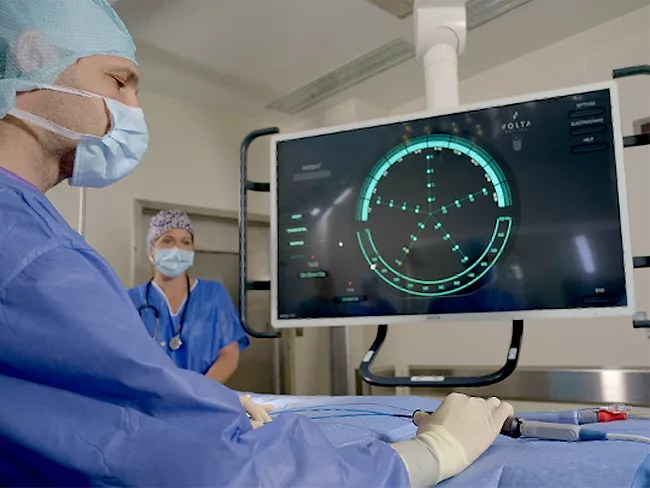
PARIS – Four years after being set up in Marseilles, France, Volta Medical SAS reported raising $28 million in a series A round for the VX1 software mapping system, an artificial intelligence (AI) algorithm that is compatible with most readily available multipolar catheters and technology used in operating rooms and cath labs to treat cardiac arrhythmia.
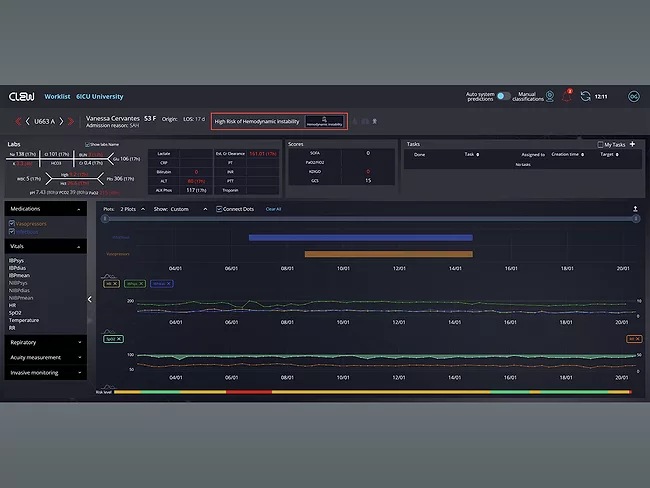
The U.S. FDA granted 510(k) clearance for Clew Medical Ltd.’s artificial intelligence (AI)-based solution that can predict hemodynamic instability in ICU patients eight hours in advance of deterioration. The system continuously monitors and stratifies patients by risk level to enable optimization of ICU resources.
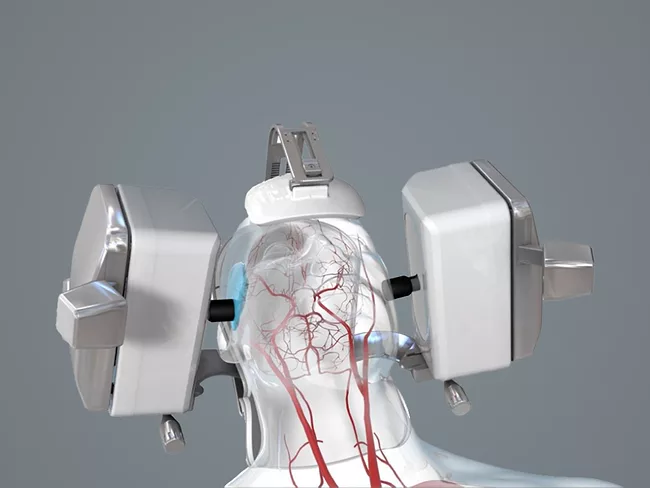
Novasignal Corp. has a launched a cloud-based app to provide alerts to clinicians directly from its cerebral ultrasound device. The new app allows physicians to get instant notifications from the company’s Novaguide device, a transcranial doppler ultrasound technology that allows for real-time assessment of blood flow in the brain by combining robotics and artificial intelligence (AI).
PERTH, Australia – Wellington, New Zealand-headquartered Volpara Health Technologies Ltd. has acquired Boston-based CRA Health LLC for $18 million up front and an additional $4 million to be paid over the next 18 months in earnouts. Volpara’s digital health solutions use imaging and artificial intelligence (AI) for early detection of breast cancer. The company’s clinical functions for screening clinics provide feedback on breast density, compression, dose, and quality, while its enterprise-wide practice software management helps with productivity, compliance, reimbursement and patient tracking.
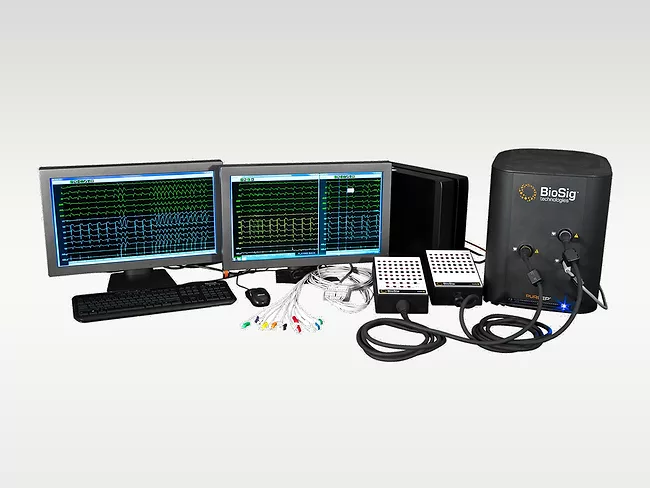
Biosig Technologies Inc. and the Mayo Foundation for Medical Education and Research are jointly developing next-generation artificial intelligence (AI)-powered software for Biosig’s Pure EP electrocardiograph system. The Pure EP system acquires, measures, calculates and stores electrocardiographic and intracardiac signals for patients during electrophysiology procedures. The collaboration aims to expand the captured signals and combine them with other data sources to provide more actionable information.
LONDON – The U.K. National Institute for Health and Care Excellence (NICE) has published new advice on how and when artificial intelligence (AI) could be applied to the interpretation of mammograms and chest computer tomography images, in a move that is intended to set the ground rules for the uptake of these technologies. In population breast screening, NICE looked at how five AI systems could be used to pick out mammography images that need further assessment, supporting qualified radiologists in their interpretation.
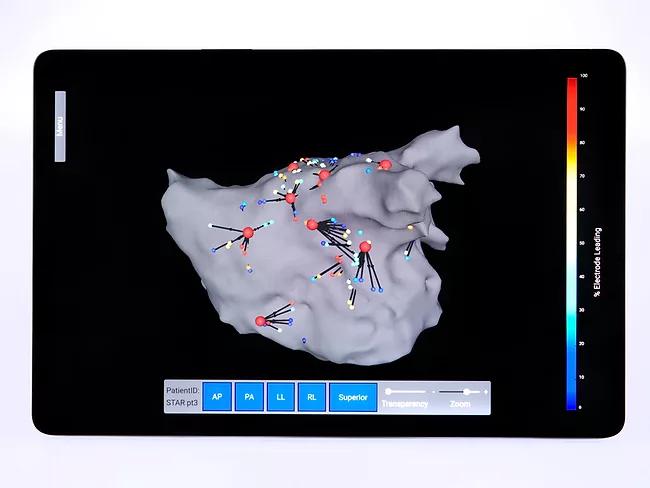
Using Rhythm AI Ltd.'s stochastic trajectory analysis of ranked signals (STAR) mapping system with pulmonary vein isolation terminated and eliminated recurrence of persistent atrial fibrillation (AF) at much higher rates than other ablation procedures in a study published in the Journal of Cardiovascular Electrophysiology. The artificial intelligence-driven STAR mapping process collects and analyzes thousands of heart signals to precisely identify the areas of the heart responsible for the errant electrical signals causing atrial fibrillation, enabling more thorough and accurate ablation.
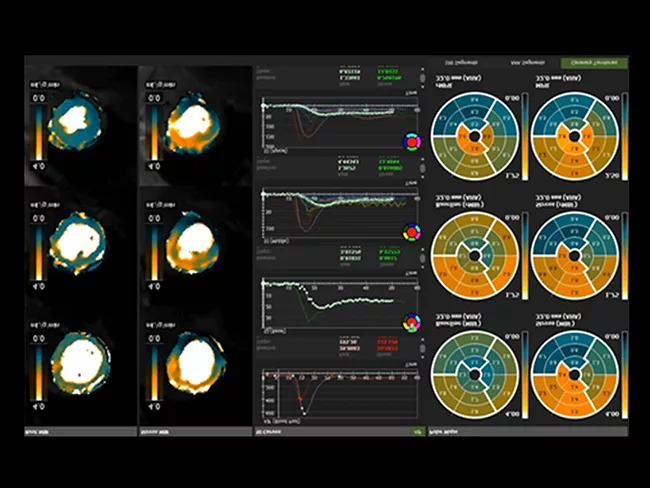
TORONTO – Calgary-based Circle Cardiovascular Imaging Inc. is receiving CA$2.65 million (US$2.09 million) in funding from the Canadian government’s Western Diversification Program (WDP), which represents nearly half of the more than CA$5.5 million (US$3.35 million) investment made to four Alberta-based organizations and companies. Company CEO Greg Ogrodnick attributes this to Circle Cardiovascular’s position “as the world leader in cardiovascular imaging.”
Brain Scientific Inc., a neurology-focused device and software company, is seeking to combine a miniaturized electroencephalogram (EEG) with subcutaneous graphene electrodes to produce a minimally invasive brain monitoring device that could provide continuous data on patients with neurological conditions. The device, which the New York-based company is calling the Brain E-Tattoo, would monitor brain wave activity outside the clinical setting, allowing for long-term continuous data collection without interrupting daily life.
 RSS
RSS