There is no doubt this year started with a boom for European med-tech companies. Public markets opened in the U.S. and cross-border investors are deploying capital. With many companies looking to conduct clinical trials, raising funds and bringing their devices to the market, 2025 is expected to be prosperous, mitigating the difficulties of the previous two to three years.
A number of regulatory agencies have signed on to the Medical Device Single Audit Program (MDSAP) for postmarket uses, but the U.S, FDA cannot use these audits for premarket purposes.
Reflecting a positive reception in the market, Kestra Medical Technologies Ltd. increased the target haul for its planned IPO from $100 million to between $140 million and $160 million in an S-1 amendment filed Feb. 26. The company will offer 10 million shares at $14 to $16 per share, with the final price to be set the week of Mar. 3, just ahead of the offering date.
Scientists at the University of Aberdeen developed a new scanner that distinguishes breast tumor material from healthy tissue more accurately than current magnetic resonance imaging (MRI) methods.
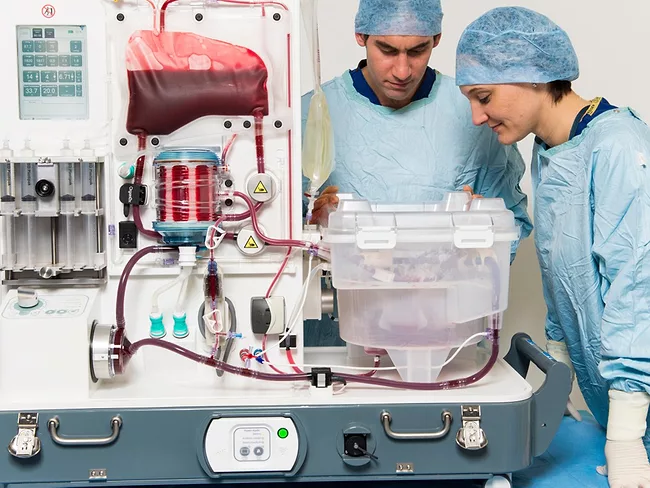
Organox Ltd. raised $142 million in financing to accelerate the growth of its Metra platform that preserves and transport livers for transplantation. The funds will allow the company to strengthen its ability to support current customers, expand its customer base and enter new markets such as Canada and Australia, where it earned regulatory approvals within the last year, Steve Deitsch, CFO of Organox, told BioWorld.
Berlin Heals Holding AG recently raised over CHF7 million (US$7.8 million) in a financing round for C-MIC, a small implantable device it believes can reverse heart failure.
Roche Holding AG revealed plans to launch its sequencing by expansion technology next year, raising the possibility that rival Illumina Inc. could face a real run for its money. Illumina has long dominated the next-generation sequencing and clinical markets and another – potentially superior – high-throughput system on the horizon could put planned purchases on hold.
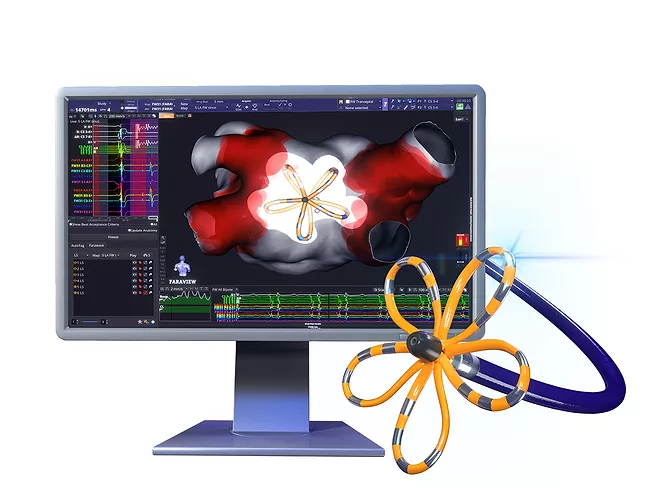
Boston Scientific Corp. recently received CE mark for its navigation-enabled Farawave Nav ablation catheter and Faraview mapping software to be used with its Farapulse pulsed field ablation (PFA) system. The technologies are expected to improve physicians’ understanding of patients’ atrial fibrillation to enable treatment using the Farapulse PFA system.
Med-tech companies focusing on cardiovascular diseases or neurological conditions, women’s health or robotic surgery, will find European investors willing to deploy capital into their stories. European venture capital firms are excited about the continuing innovation and opportunities in the sector.
Germitec SA raised $30 million in a series B financing round to bring Chronos, its chemical-free, ultraviolet-C (UV-C)-based disinfection system for ultrasound probes, to the U.S. market.
 RSS
RSS