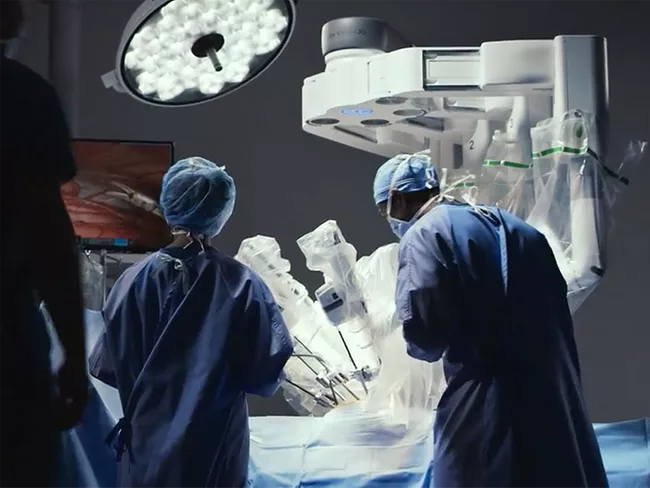
The U.K. National Institute for Health and Care Excellence (NICE) gave the nod to a total of 11 robotic surgical systems for use in the U.K.’s trusts, but this is no free pass as the agency expects the manufacturers of these systems to gather data under this conditional coverage framework.
Neuranics Ltd. recently raised $8 million in seed funding which is “extremely important” for the company as it looks to scale its magnetic sensing technology, which detects muscle activity without touching the skin, Noel McKenna, CEO told BioWorld. “The funds will help accelerate our go to market strategy and advance our R&D roadmap,” he said.
Receipt of EU MDR CE mark may not be a magic potion, but Elixir Medical Corp. is certainly feeling a boost from the regulatory nod for its mechanical Lithix hertz contact intravascular lithotripsy system for treatment of moderate to severely calcified coronary artery lesions. Simultaneously, the company reported the launch of Lithix and completion of first cases in Italy, France and Germany.
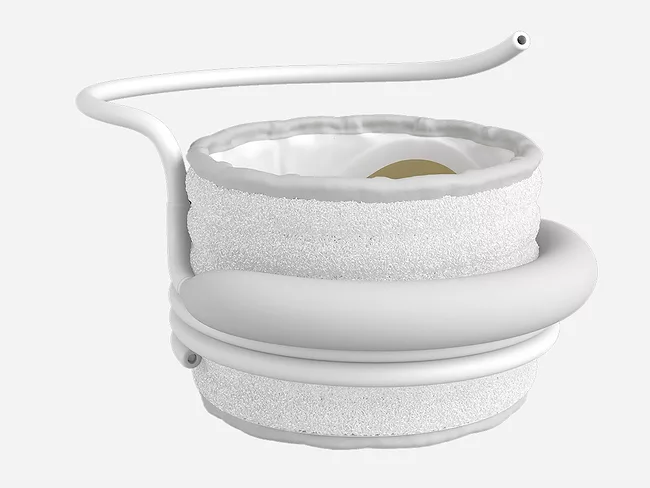
Edwards Lifesciences Corp.’s Sapien M3 secured CE mark for its Sapien M3 mitral valve replacement system for transfemoral treatment of patients with mitral valve disease who are ineligible for surgery or transcatheter edge-to-edge repair. Sapien M3 is indicated for individuals with symptomatic moderate-to-severe or severe mitral valve regurgitation.
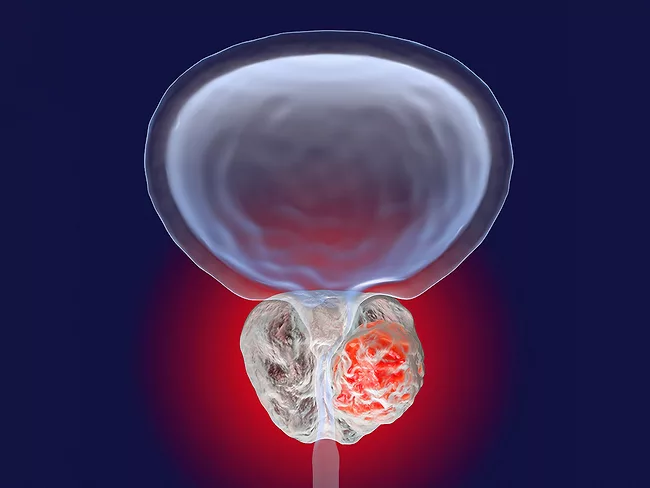
U.K. scientists developed a saliva-based test which better predicts the risk of prostate cancer than current prostate-specific antigen (PSA) blood tests by analyzing DNA to look for genetic variants linked to prostate cancer and calculating a polygenic risk score.
Medicud Srl received over €1.3 million (US$1.4 million) in seed funding to support clinical trials and secure regulatory approval of Dryum, its incisional negative pressure wound therapy system.
The EU’s Medical Devices Coordination Group (MDCG) issued another revision of its guidance for risk classification for in vitro diagnostics — the fourth such rewrite of a guidance that came out in 2020.
The on-again, off-again U.S. tariffs are off again, at least for now, for more than 75 countries that have reached out to the Trump administration to negotiate instead of retaliating. The 90-day pause will provide some breathing room for the med-tech industry. Pharmaceuticals and active pharmaceutical ingredients were among the few products exempted from the reciprocal tariffs, but that exemption for pharmaceuticals was expected to be short-lived. Meanwhile, pharma CEOs warned European Commission President Ursula von der Leyen April 8 that, unless the EU quickly changes its policy, pharmaceutical research, development and manufacturing is increasingly likely to be directed to the U.S.
In the wake of the pandemic, many leading med-tech companies took steps to on-shore and near-shore manufacturing, a move that could protect significant numbers of players from the worst of the effects of the tariffs announced by the Trump administration last week.
Med tech and diagnostic companies in Europe are considering strategies to navigate the U.S. market following President Trump’s introduction of reciprocal tariffs on imports. While some companies are more exposed than others, there’s no doubt that many will feel the pain.
 RSS
RSS