The U.K. Medicines and Healthcare Products Regulatory Agency (MHRA) unveiled the pilot version of its AI Airlock in 2024, and the agency posted a list of the products that are taking part in this version of a regulatory sandbox.
GE Healthcare Technologies Inc. gained full ownership of Nihon Medi-Physics Co. Ltd. after acquiring the remaining 50% stake from Sumitomo Chemical Co. Ltd. on March 31.
Two French startups, Gleamer SAS and Azmed SAS, received clearance from the U.S. FDA for their AI-powered tools for chest X-rays. They join an increasing number of companies developing software tools to help clinicians detect a range of abnormalities on images, enhancing diagnostic accuracy, reducing delays and improving patient outcomes.
When every minute matters, quickly determining which patients in the emergency department need urgent care for myocardial infarction can save lives. Researchers at the University Hospital Münster in Münster, Germany, developed a deep learning model that can detect features on electrocardiograms that more accurately identifies which patients require urgent revascularization than clinicians and provides results faster than high-sensitivity troponin lab tests.
The use of an AI tool could speed up the time it takes to do pregnancy scans by almost half and it is still able to identify any abnormalities in the fetus, researchers found. Results from a study showed the AI tool used to assist with 20-week pregnancy scans reduced the scan length by more than 40% and still maintained the same accuracy and reliability of diagnoses.
The first disease modifying therapies for Alzheimer’s may have limited utility in some senses, but they will be a force for change, providing momentum and altering the way governments as payers, and health systems as carers, think about the disease.
Abbott Laboratories snagged a CE mark for its Volt pulsed field ablation catheter for atrial fibrillation several months earlier than the mid-year approval expected. The Abbott Park, Ill.-based company has begun Volt’s commercial launch with the physicians who participated in its European clinical trials and plans to expand to other users on the continent in the second half of 2025.
Scientists in the U.K. have developed a new meta-material, dubbed Roliner, to improve the fitting of wearable devices made from hard materials, such as prosthetic limbs.
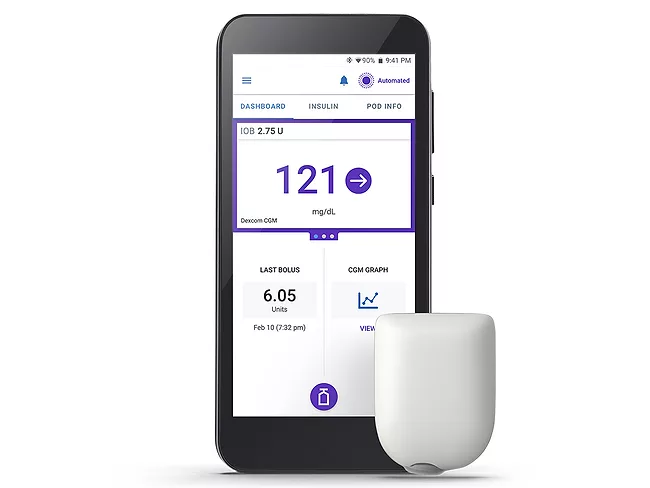
For people with type 1 or type 2 diabetes and the companies developing technologies to help them, the International Conference on Advanced Technologies & Treatments for Diabetes delivered an abundance of good news. On the type 1 diabetes front, Insulet Corp.’s RADIANT study demonstrated massive improvement in time in range as well as lower glycemic levels for patients switching from multiple injections to the Omnipod 5 automated insulin delivery system.
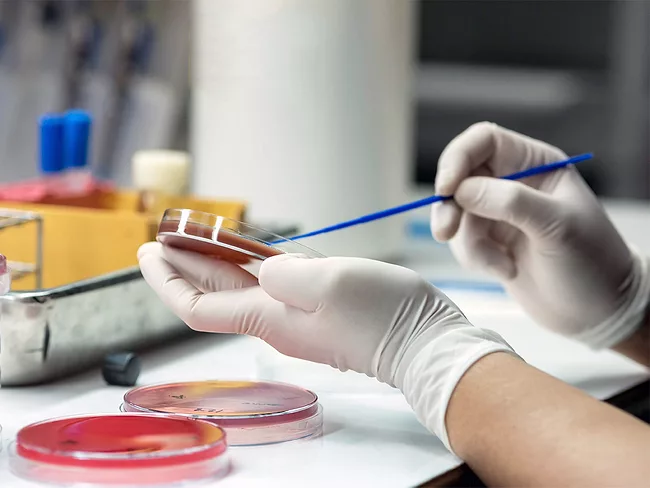
Biomérieux SA recently received U.S. FDA 510(k) clearance for its Vitek Compact Pro, a system for microorganism identification and Antibiotic Susceptibility Testing. The company hopes that the system will help clinical laboratories combat antimicrobial resistance and diagnose infectious diseases as well as support industrial laboratories in identifying contaminants to ensure consumer safety.
 RSS
RSS