The C-suite at Dexcom Inc. is breathing easy with the company having snagged CE marking for its latest continuous glucose monitoring (CGM) system, the G7, less than two weeks after receiving FDA breakthrough device designation for its CGM for hospital use. “This all-new platform offers an incredibly powerful CGM that is simple to use, providing our users with insightful glucose data on one screen that helps them spend less time managing diabetes and more time doing the things they love. Dexcom G7 takes everything people love about G6 and makes it even better,” said Dexcom CEO Kevin Sayer.
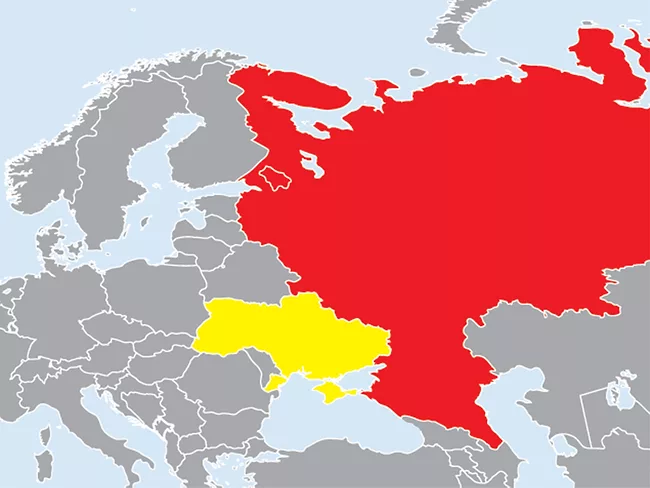
Russia and Belarus are being frozen out of international science, with universities and research institutions across Europe suspending joint research projects and calling a halt to the formation of any new collaborations, following the invasion of Ukraine. Initial sanctions announced by European governments called for the severing of direct institution-to-institution links only, with many universities counseling individual researchers to maintain personal relations with Russian peers.
Quoin Pharmaceuticals Ltd.’s scientific advice briefing document is asking the EMA for ideas on how to proceed with lead asset QRX-003 for Netherton syndrome (NS).
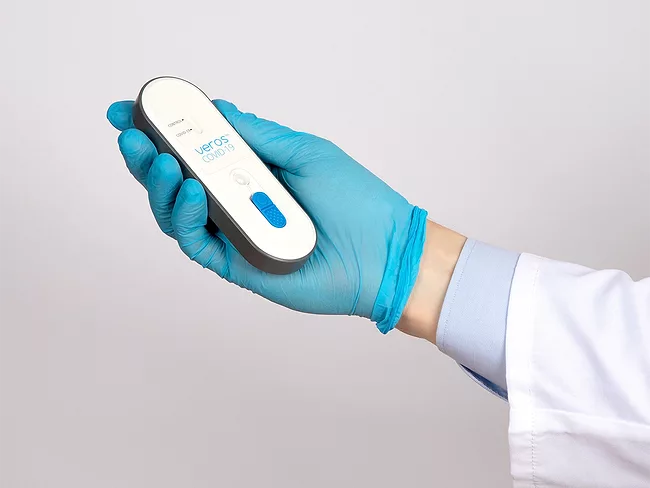
Sense Biodetection Ltd. is preparing to launch a new rapid, disposable, point-of-care molecular diagnostic test for COVID-19 in Europe after securing CE marking for the platform. The company will make its Veros COVID-19 test available in Ireland, Benelux and Nordic countries this quarter before expanding to other European markets.
As the conflict in Ukraine intensifies following the Russian invasion, hundreds of clinical trials could be in jeopardy amid the chaos and destruction of war, with pharma giant Merck & Co. Inc. saying it is putting recruitment for dozens of studies on hold.
Though the Ukraine war has had an impact on the availability of medical devices and diagnostics, a number of companies based in the U.S. and Europe have announced measures to ensure their products will reach the war-torn nation. Device companies are donating millions to nongovernmental organizations for humanitarian assistance, while the Advanced Medical Technology Association (Advamed) said its member companies are tracking the situation and are eager to pitch in with desperately needed supplies and medical equipment.
Experts at the Paris Cardiovascular Research Center (PARCC) have designed an artificial intelligence-based system to predict kidney allograft survival. This model was validated in an observational multicohort study in Europe, the U.S. and South America, as well as randomized trials and results were published in The Lancet Digital Health.
As conflict escalates and medical supplies dwindle, Ukrainians are urging the international health care community to send medical equipment and medication. In a webinar, a panel of speakers discussed which medical supplies are desperately needed to address the growing humanitarian crisis. Anna Levchuk, vice president of market access, commercialization and health care at Clarivate and a member of the supervisory board for Medical Procurement of Ukraine, moderated the panel.
The indirect impact of the Russian invasion of Ukraine on the life sciences sector continues to grow, as the West responds with more and more sanctions against Russia. In one of the latest moves, the European Commission announced March 4 that it is suspending cooperation with Russian entities in research, science and innovation.
The world’s largest genomics study in patients with life-threatening COVID-19 infections has uncovered 16 new genetic variants associated with severe disease and drawn up a roadmap for research into new therapies and diagnostics. The research involved comparing the complete genome sequences of 7,491 patients admitted to 224 intensive care units in the U.K. against those of 48,400 participants in Genomics England’s 100,000 Genomes project, and of a further 1,630 people who had mild COVID-19. While some of the gene variants found in the Genomicc study affect the function of a protein, others influence the amount of the protein that is expressed. An example is mucin-1, where overexpression led to worse outcomes.
 RSS
RSS