Edwards Lifesciences Corp. said it has exercised its option to buy Innovalve Bio Medical Ltd., an early stage transcatheter mitral valve replacemen company, for $300 million in cash following its initial investment in 2017. Since that time, Edwards said Innovalve has demonstrated progress in its program with promising early clinical experience.
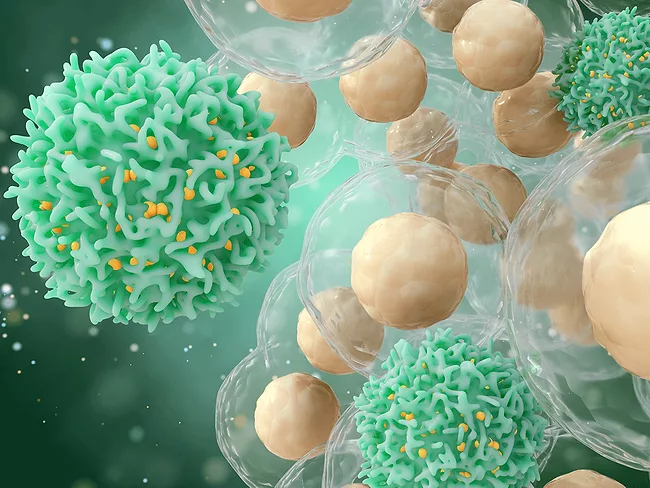
New company Pan Cancer T BV is preparing for a clinical trial of a next-generation T-cell receptor-engineered T cell it has designed to remove the current barriers and make T-cell therapies effective in treating solid tumors. Its products have two distinguishing features: They are targeted at antigens the company has shown are exclusively and robustly expressed by multiple solid cancers, and have a minor genetic modification that enhances the durability of autologous TCR-Ts in the tumor microenvironment after they are administered back into a patient.
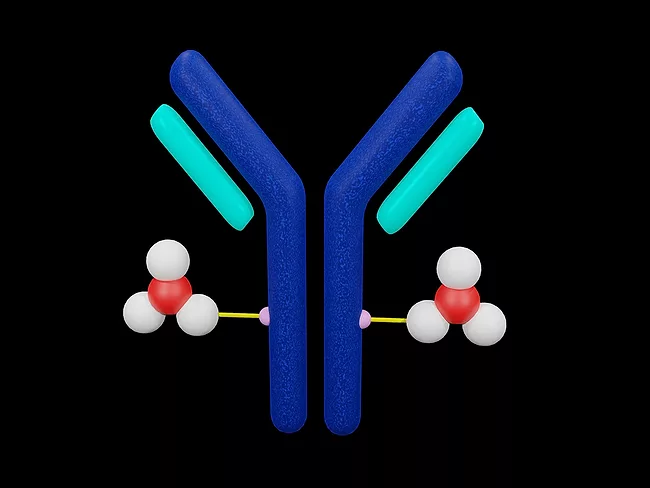
The lively antibody-drug conjugate (ADC) space chalked another collaboration as Taipei, Taiwan-based Foreseen Biotechnology Co. Ltd. scored a global licensing agreement worth as much as $1.03 billion with Ipsen SA, of Paris, for antibody-drug conjugate FS-001, which is said to bear first-in-class potential. The drug takes aim at a novel tumor-associated antigen that is overexpressed in many solid tumors and plays a critical role in tumor proliferation and metastasis, the companies said.
Ligand Pharmaceuticals Inc. is adding one more income stream to its portfolio, with the $100 million acquisition of Apeiron Biologics AG, owner of royalty rights to Qarziba, a treatment for high risk neuroblastoma that is currently marketed in 35 countries and is en route to approval in the U.S.
Roche Holdings AG received CE mark for its artificial intelligence (AI)-enabled continuous glucose monitoring (CGM) system, Accu-Chek Smartguide. The company said the solution addresses the unmet need around diabetes management and glycemic control as it offers critical predictions to people living with type 1 and type 2 diabetes.
Myricx Bio Ltd. has closed the largest series A for a European biotech this year, raising £90 million (US$115.4 million), to take forward antibody-drug conjugates based on novel payload chemistry.
Autoimmune disease specialist Scirhom GmbH has raised €63 million (US$68 million) in a series A to take an antibody against iRhom2, an enzyme that regulates TNF-alpha secretion, into the clinic. The company has approval for a phase I trial in healthy volunteers that will start later this year, with plans for proof-of-concept trials in rheumatoid arthritis and inflammatory bowel disease to follow.
Endoron Medical Ltd. raised $10 million in its series A funding round to accelerate clinical validation work on its catheter-based endostapling system, Aortoseal, which repairs abdominal aortic aneurysms. The round was led by Sofinnova Partners, with participation from the European Innovation Council Fund.
Myricx Bio Ltd. has closed the largest series A for a European biotech this year, raising £90 million (US$115.4 million), to take forward antibody-drug conjugates based on novel payload chemistry.
Smartcella Holding AB raised €50 million (US$54 million) in a new share issue that it will use to accelerate growth and ramp up commercialization of its endovascular Extroducer delivery device, in addition to strengthening its cell and mRNA operations. The funding is supported by existing and new investors including Astrazeneca, which committed to approximately half of the shares issued.
 RSS
RSS