Mdoloris Medical Systems SAS reported it has developed an automated system for regulating perioperative pain based on continuous optimization of parasympathetic tone. Closed-loop control systems are still rare in the anesthesia space, but they provide greater reliability in achieving set objectives, reduce the risk of human error and free the anesthesiologist from the burden of manually adapting the administration of the various therapies required for surgery.
A recent bipartisan request for funding of a study on replacing U.S. drug patents with cash prizes is just one more symptom of a larger global malady that makes patents the scapegoat for bigger problems that have nothing to do with intellectual property (IP), David Kappos, board co-chair of the Council for Innovation Promotion (C4IP), told BioWorld.
Artificial intelligence (AI) has been approved for use in the U.K. National Health Service (NHS) for the first time, after passing an expedited health technology assessment.
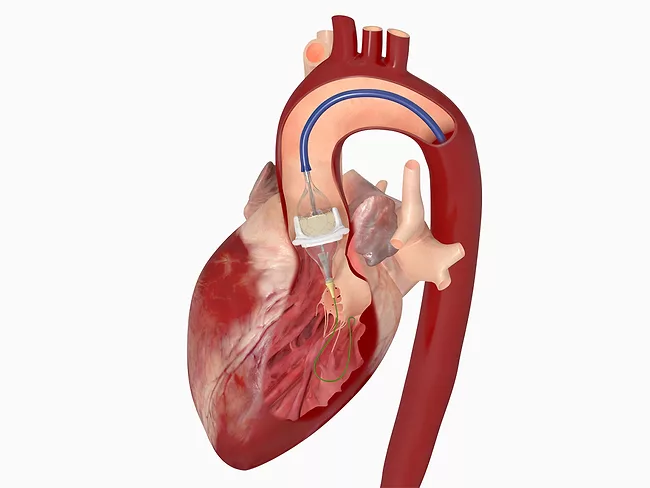
Transcatheter aortic valve replacement (TAVR) devices are all the rage for treatment of aortic valve disease, but that doesn’t mean valve reconstruction via the so-called Ozaki procedure has been consigned to the pages of medical history. The U.K.’s National Institute for Health and Care Excellence has recommended that trusts in the U.K. health system use this procedure only in clinical trials at least for the time being, although the agency noted that the Ozaki procedure allows the patient to sidestep the need for long-term antithrombotic therapy, a big selling point for patients and clinicians alike.
Theranica Bio-Electronics Ltd. received expanded CE mark approval for Nerivio, a therapy that can both prevent and treat acute migraine in adults and adolescents. The Netanya, Israel-based company is now partnering with a large, publicly traded, pharmaceutical firm to launch the device later this year, first in Germany and then roll out commercial operations in several other European countries in 2024, Alon Ironi, CEO and co-founder of Theranica, told BioWorld.
Rewalk Robotics Ltd. took strides to expand its portfolio—and achieve profitability—with an agreement to acquire Alterg Inc., a provider of anti-gravity systems for use in physical and neurological rehabilitation. Alterg uses NASA-derived differential air pressure (DAP) technology to reduce gravity’s effects on individuals with mobility challenges and pain. The $19 million deal is expected to close August 11, with additional cash earnouts tied to future revenue growth over the next two years.
Building on capabilities developed during the COVID-19 pandemic, the U.K. Health Security Agency’s Vaccine Development and Evaluation Centre hit the ground running.
Calling it a “landmark judgment,” the U.K.’s Competition and Markets Authority welcomed the Competition Appeal Tribunal’s Aug. 8 unanimous decision upholding an £84 million (US$107 million) fine levied against London-based Advanz Pharma Corp. for excessive drug pricing.
A logjam of clinical trial applications that has bult up at the U.K. Medicines and Healthcare products Agency (MHRA) is deterring companies from conducting studies in the U.K., according to the Bioindustry Association.
An estimated 10% to 20% of adolescents worldwide struggle with mental health issues. According to the CDC’s most recent Youth Risk Behavior Survey, nearly 60% of teen girls in the U.S. reported feeling sad every day for at least two weeks in the previous year and 22% of high school students considered taking their own lives. Yet despite these trends, the majority of mental health conditions in young people go undiagnosed and untreated.
 RSS
RSS