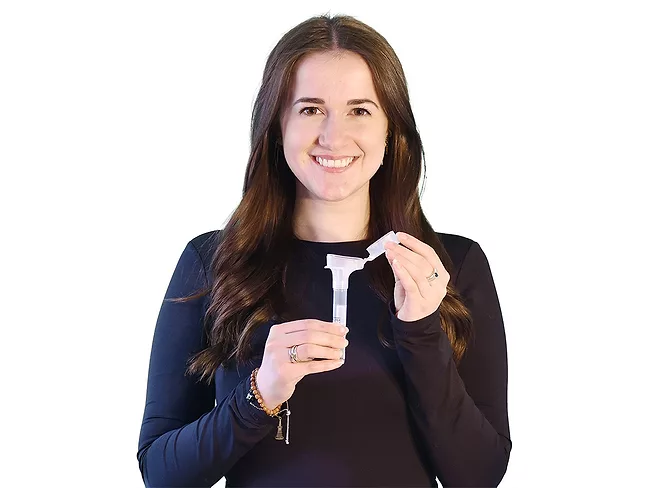
Ziwig SAS, which leads the race for a simple diagnostic for endometriosis, picked up the pace with a fast-track reimbursement decision in France for its Endotest, the first saliva-based diagnostic assay for endometriosis.
Dealmaking in the Asia Pacific (APAC) region took off this week, with the latest showcasing Genome & Co.’s licensing deal with Ellipses Pharma Ltd. for GENA-104, a phase I-ready immuno-oncology asset, under undisclosed terms Feb. 11.
The European Commission’s proposal for an AI-specific liability law seemed destined to pile onto existing EU liability law, but the commission reported it will pull the legislative proposal dubbed the AI Liability Directive.
The European Commission on Feb. 5 cleared Shanghai Henlius Biotech Inc.’s serplulimab (HLX-02) under the brand name of Hetronifly as a first-line combination therapy with carboplatin and etoposide to treat extensive-stage small-cell lung cancer.
For the pharmaceutical industry caught in the crosshairs of a potential trade war, the consequences of U.S. tariffs on China or Europe remain largely speculative, although both would be detrimental, according to a Korea Biotechnology Industry Organization (KoreaBIO) issue briefing Feb. 7.
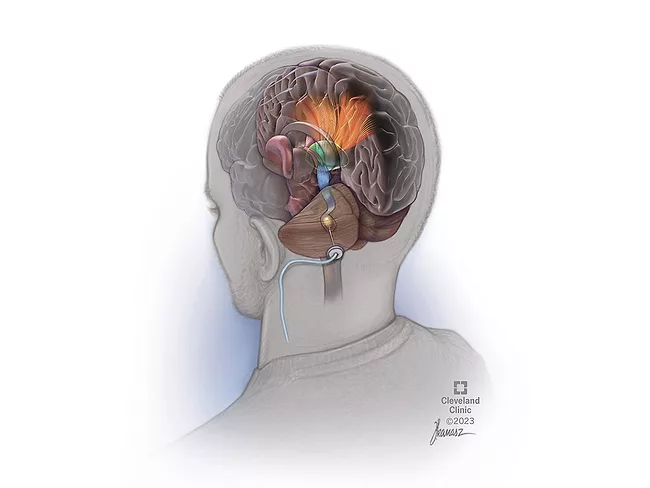
Newronika SpA's AlphaDBS recently secured an investigational device exemption from the U.S. FDA allowing it to begin a pivotal trial to evaluate the safety and efficacy of its adaptive deep brain stimulation system in patients with movement disorders, including Parkinson's disease.
The European Commission issued a set of guidelines for the use of AI as a supplement to the EU’s Artificial Intelligence Act, a document of which chatbot developers will want to take note.
The U.K.’s National Institute for Health and Care Excellence (NICE) historically relies on cost savings to vet novel medical technologies, but that may soon change per a Feb. 7 announcement.
Skin Analytics Ltd. received CE mark for its AI-based tool Deep Ensemble for the Recognition of Malignancy (DERM), which can assess images of lesions and detect skin cancer autonomously. The technology has an accuracy rate of 99.8% compared to 98.9% for dermatologists.
A large-scale study cross-referencing genomic data from multiple sources with primary care health records has identified genetic overlaps in 72 chronic diseases, opening the way for a more holistic approach to researching, treating and preventing multimorbidity.
 RSS
RSS