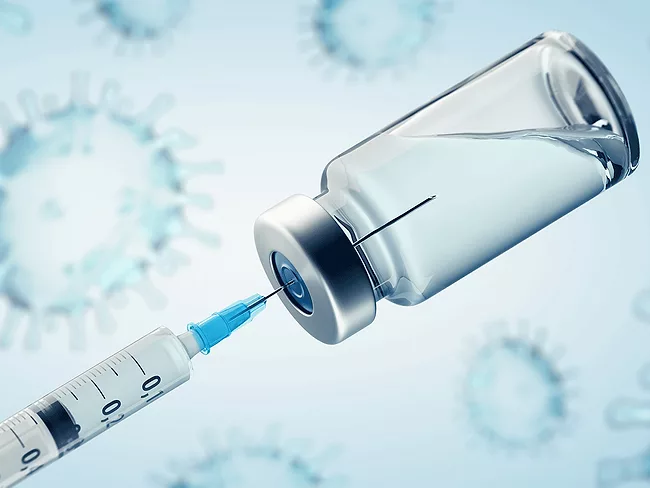
As expected, the FDA's Vaccines and Related Biological Products Advisory Committee voted near-unanimously on Dec. 17, with one abstention, that available evidence shows the benefits of Moderna Inc.'s COVID-19 vaccine, mRNA-1273, outweigh its risks for people 18 and older. The vote bolsters the likelihood that the regulator will grant the vaccine an emergency use authorization (EUA), which could come as soon as Friday. Not the same as an approval, the authorization would allow for the vaccine's use for the prevention of COVID-19 in the U.S. even as further trials and regulatory evaluation remains underway ahead of a company BLA submission.
The U.S. FDA’s intended use rule has been in flux for the past half-decade, with yet another draft rule making the rounds for comment. Despite any concerns that speech regarding off-label use might again be seen as a primary driver of prosecution, Sara Bloom, senior litigation counsel at the U.S. Department of Justice’s District of Massachusetts office, said distribution of the product in question is frequently the key feature where federal prosecutors are concerned. Bloom said communication of off-label use often serves primarily as a confirmatory element of the manufacturer’s intent rather than as the decisive part of the prosecution’s case.
Several hospital and pharmacy groups, including the American Hospital Association, filed suit last week in the U.S. District Court for the Northern District of California in an effort to force the Department of Health and Human Services to stop drug companies from “undermining” the 340B prescription drug discount program.
A day after the FDA granted emergency authorization for the use of the Pfizer Inc./Biontech SE COVID-19 vaccine, the U.S. CDC’s Advisory Committee on Immunization Practices (ACIP) gave a thumb’s up for the vaccine, as did the Western States Scientific Safety Review Workgroup.
It’s official. After a weekend of rumors and speculation, President-elect Joe Biden formally announced the nomination of California Attorney General Xavier Becerra Dec. 7 as secretary of the U.S. Department of Health and Human Services, along with Vivek Murthy as surgeon general.
Just ahead of the U.S. celebration of Thanksgiving, the FDA granted an accelerated approval for Danyelza (naxitamab), a new therapy for certain adults and children with relapsed or refractory high-risk neuroblastoma. The antibody, which Y-mabs Therapeutics Inc. initially sublicensed via a deal with Mabvax Therapeutics Inc. in 2018, is approved for use in combination with granulocyte macrophage colony-stimulating factor. The regulator had assigned the BLA a Nov. 30 PDUFA date.<
The Pharmaceutical Research and Manufacturers Association (PhRMA) filed suit Nov. 23 in U.S. district court challenging the Trump administration’s final rule allowing the import of prescription drugs from Canada.
Two U.S. federal agencies at the Department of Health and Human Services (HHS) have finalized rules that affect how drug and device makers interact with the health care system, but under the Congressional Review Act, neither rule can go into effect until February 2021. This timeline comes up a couple of weeks after President-elect Joseph Biden is sworn in, thus raising the risk that the new administration at HHS will either modify or overturn these rules altogether.
When U.S. President Donald Trump and Health and Human Services (HHS) Secretary Alex Azar announced last week the Jan. 1 launch of a Medicare Part B most-favored nation (MFN) drug pricing model and a final rule to end Medicare’s safe harbor for the rebates that create a black box around the pricing of Part D drugs, they called the reforms “historic.”
The casual observer may think that physician speaker programs sponsored by makers of drugs and medical devices have drawn less attention from U.S. federal attorneys, but reality has failed to meet that expectation. Mark Gardner, managing attorney of Gardner Law of Stillwater, Minn., said on a Nov. 19 webinar that “there’s a lot coming through right now in terms of settlements,” including a settlement with a drug maker that sent the company into bankruptcy.
 RSS
RSS