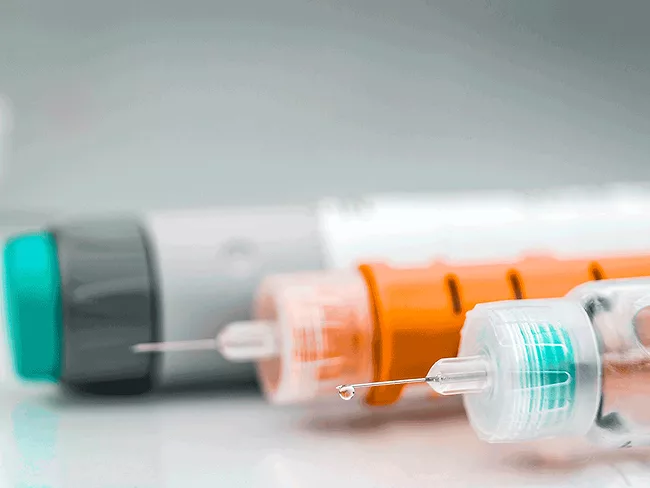
More than a decade after the Biologics Price Competition and Innovation Act became law and nearly six years after the first biosimilar launched in the U.S., the country’s first potential interchangeable is on deck awaiting an FDA decision.
A proposed $26 billion global settlement could end the state-by-state opioid litigation in the U.S. for Johnson & Johnson (J&J) and three drug distributors. The attorneys general from several states announced the proposed agreement July 21 with J&J, Amerisource Bergen Drug Corp., Cardinal Health Inc. and McKesson Corp.
Responding to the growing number of state-sponsored cyber threats to health care and other key sectors and to the compromise of the Microsoft Exchange Server, which was disclosed in March, Canada, the EU, U.K., U.S. and other NATO allies issued statements July 19 laying out expectations and markers for how responsible nations behave in cyberspace and specifically calling out China’s “malicious cyber activity.”
Three of the largest biopharma distributors in the U.S. agreed to a settlement of $1.179 billion with New York, bowing out of the state’s ongoing opioid lawsuit.
Regardless of the controversy swirling around the FDA’s accelerated approval of Biogen Inc.’s Alzheimer’s drug, Aduhelm, that U.S. approval is expected to open the door to more opportunities for Alzheimer’s treatments and diagnostics.
Apotex Corp. agreed to pay $26 million to the state of Texas to resolve claims that it had reported inflated drug prices to the Texas Medicaid program.
The COVID-19 pandemic brought in-person inspections of device manufacturing sites to a near halt, but that has left the agency with a significant backlog in these inspections. The FDA’s Associate Commissioner for Regulatory Affairs Judith McMeekin said recently that the FDA is intent on prodding Congress to provide the Office of Regulatory Affairs (ORA) with more monies, particularly given the meager increases in funding for oversight of the med-tech industry in the past few years.
10x Genomics Inc. launched its latest platform for single-cell analysis, the Chromium X Series, to cost-effectively "enable massively large-scale experiments," according to the company.
Hoping to get Germany to drop its opposition to a proposed World Trade Organization (WTO) waiver of intellectual property (IP) rights, several U.S. lawmakers have asked to meet with German Chancellor Angela Merkel when she’s in Washington for a July 15 summit with President Joe Biden.
 RSS
RSS