April may not have brought rain to med-tech, but tariffs and financial uncertainty certainly dampened the enthusiasm for IPOs. With those clouds lifting, three companies – Hinge Health Inc., Capsovision Inc., and Omada Health Inc. – appear ready to flower in May, potentially a harbinger of a return to the brisk pace for med-tech IPOs seen in the opening weeks of 2025 when eight companies raised nearly $1 billion.
The U.S. FDA’s April 4, 2025, warning letter to ICU Medical Inc. cited the company for failure to file a new 510(k) for changes to software used in an infusion pump, but those changes may have been driven by problems with the pumps the company acquired when it picked up Smiths Medical in 2022. The FDA also issued a warning letter to Epicare Acquisitions LLC related to its Zenith family of laser hair removal systems.
Noridian Healthcare Solutions opened a draft local coverage determination for gene tests for heritable thoracic aortic disease per a request from Invitae Corp., of San Francisco, which makes a comprehensive panel test for aortopathy.
As the U.S. Department of Health and Human Services (HHS) and its agencies begin weeding out old regulations, the department is requesting public input to help identify and eliminate outdated or unnecessary regulations.
Tilt Biotherapeutics Ltd. has raised $25.6 million in a series B round that will fund phase II development of the lead oncolytic virus in the treatment of platinum-resistant ovarian cancer.
In a continuing déjà vu, the Senate Judiciary Committee held yet another hearing May 13 on pharmacy benefit managers (PBMs), focusing on a lack of transparency.
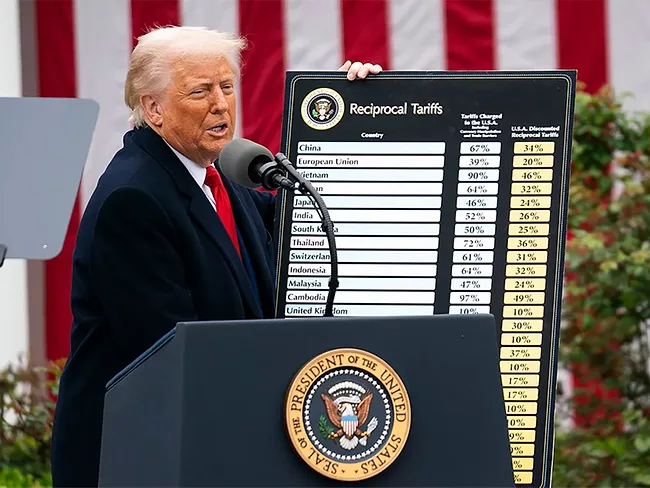
South Korean government and biopharmaceutical industry representatives urged American policymakers May 7 to refrain from imposing tariffs on pharmaceutical imports, and to spare allies if pharma tariffs are deemed necessary. Both Korea’s Ministry of Health and Welfare on May 4 and the Korea Biotechnology Industry Organization on May 6 submitted comments to the U.S. Department of Commerce in response to its ongoing investigation of pharmaceutical imports.
Sirius Therapeutics Inc. raised nearly $50 million in a series B2 financing round May 9 to support its pipeline of small interfering RNA (siRNA) molecules for cardiovascular disease indications. SRSD-107, a long-acting Factor XI anticoagulant for thromboembolic disorders, is its lead candidate waiting on EMA clearance to begin a phase II study in Europe.
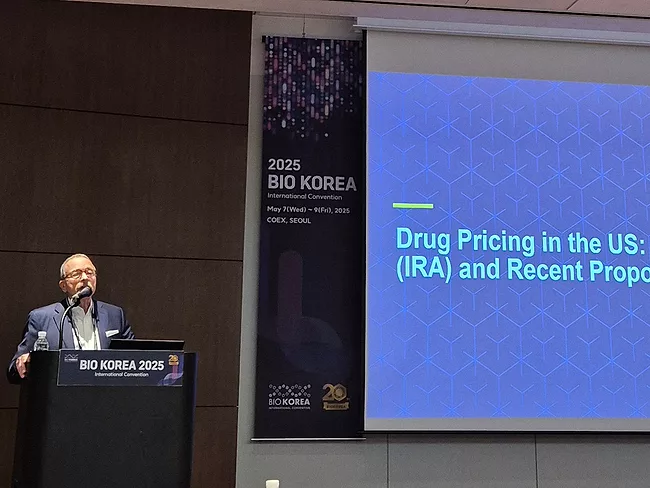
Ongoing policy issues in the U.S., including the Inflation Reduction Act and recent proposals under President Donald Trump’s administration, have wide ranging implications for the global biopharmaceutical industry, speakers at Bio Korea 2025 said May 8, including a heightened need for all biotechs to draft regulatory strategies.
Korean pharmaceutical stocks rose across the board May 13, a day after U.S. President Donald Trump signed off on the most favored nation executive order, a drug pricing policy expected to benefit biosimilar makers in the U.S., according to Celltrion Inc.
 RSS
RSS