News of eight infections and three deaths so far due to an emerging zoonotic virus has brought back unhappy memories of the early days of SARS-CoV-2. At a press conference on Thursday, officials from the WHO did their best to calm the public’s fears that the MV Hondius, the ship currently heading to the Canary Islands with its remaining passengers plus assorted medical, WHO and European Center for Disease Prevention and Control staff, is the 2026 version of the Diamond Princess.
It’s a sure bet when the U.S. Trade Representative releases its annual Special 301 Report that Chile, China, India, Indonesia, Russia and Venezuela will be on the Priority Watch List. The 2026 report was no exception.
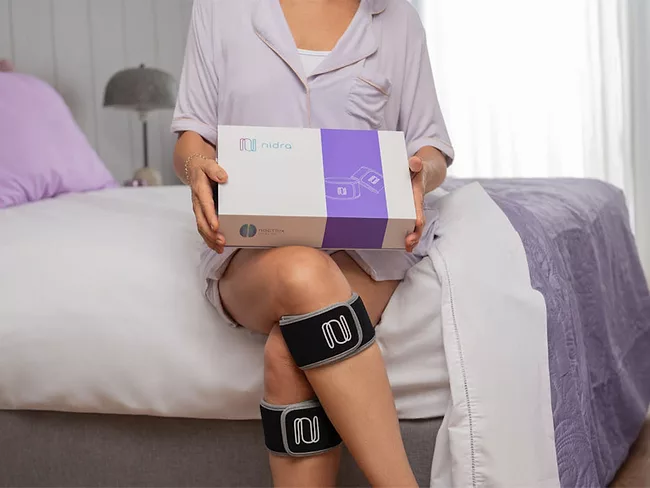
Resmed Corp. has agreed to acquire Noctrix Health Inc. for $340 million, boosting its sleep health portfolio. Noctrix has developed Nidra, a wearable neuromodulation device which treats restless legs syndrome (RLS) without disrupting sleep. With RLS impacting approximately 7% of adults globally, including about 17 million people in the U.S., the technology offers a non-drug option that could potentially treat a significant proportion of this patient population.
In its first substantial M&A transaction since 2021, Bayer AG is buying Perfuse Therapeutics Inc., a firm that has operated quietly, though it reported positive midstage data last year for PER-001, an endothelin antagonist, in glaucoma and diabetic retinopathy.
Three decades of trial-and-error, and the resulting safety data, in the oligonucleotide-based therapeutic space have paved way for the present-day innovations and the promise of “programmable,” precision medicine for patients, speakers at Bio Korea 2026 said April 28.
Regulatory uncertainty that dominated the life science sector in 2025 is transitioning into an execution framework for biotechnology companies, provided companies can tailor regulatory strategies early, and across the entire development cycle.
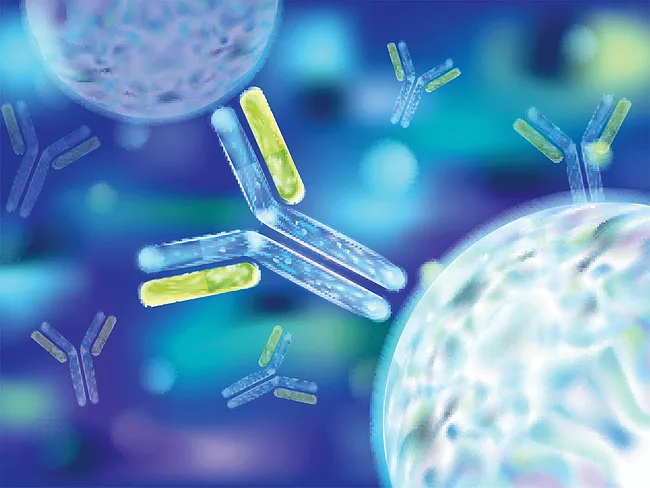
Beone Medicines Ltd. gained an exclusive option to develop cancer immunotherapy HH-160 worldwide in a deal potentially worth more than $2 billion for Huahui Health Ltd., the developer of the trispecific antibody.
Sonire Therapeutics Inc. initiated a U.S.-based Sunrise II study of Suizenji, its novel ultrasound-guided high-intensity focused ultrasound (HIFU) system designed to ablate pancreatic tumors, after closing an $18 million series A financing round April 15.
Wall Street pundits were divided about the likely fate of ivonescimab, Summit Therapeutics Inc.’s bispecific antibody partnered with Akeso Pharmaceuticals Inc., of Hong Kong, and undergoing phase III testing in first-line squamous non-small-cell lung cancer (NSCLC).
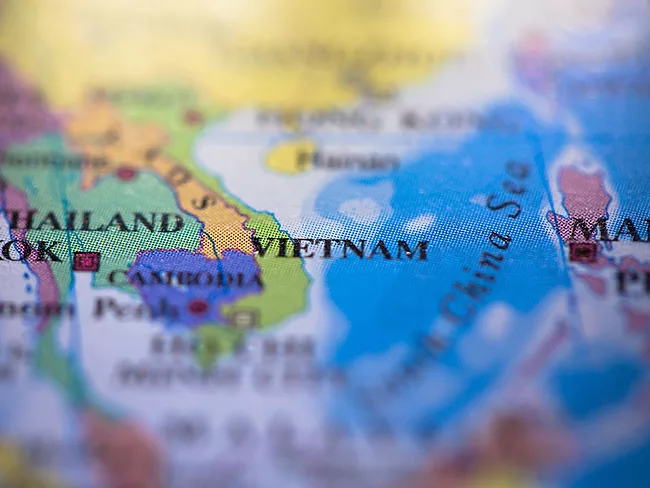
For the first time in 13 years, the U.S. Trade Representative (USTR) singled out one of the U.S. trading partners as the worst of the worst when it named Vietnam as a Priority Foreign Country (PFC) in its newly released Special 301 Report.
 RSS
RSS