What would normally be a routine meeting of the FDA’s Vaccines and Related Biological Products Advisory Committee May 28 may be more carefully watched given the overall turmoil surrounding vaccines in the U.S. The only task before the adcom is to recommend the COVID-19 vaccine formula for the upcoming season. That conversation will include looking at the effectiveness of the four FDA-approved vaccines currently in use in the U.S.
Less than two weeks after the outbreak was officially declared, animal studies of a newly designed vaccine against the Bundibugyo Ebola virus are now underway in the U.S. and U.K., and the Serum Institute of India is standing ready to manufacture the vaccine for clinical trials. If the animal tests are positive, the vaccine will be ready for clinical trials in two to three months.
As the most active biopharma acquirer of 2026, Eli Lilly and Co. offered to buy three vaccine companies for up to $3.8 billion combined, while it simultaneously released positive early clinical results of a gene editing medicine brought into the fold last year through its buyout of Verve Therapeutics Inc.
Daewoong Pharmaceutical Co. Ltd. announced after South Korean market hours May 21 that it gained successive rights to Turn Biotechnologies Inc.’s mRNA-based cellular rejuvenation platform from Hanall Biopharma Co. Ltd.
Daewoong Pharmaceutical Co. Ltd. announced after South Korean market hours May 21 that it gained successive rights to Turn Biotechnologies Inc.’s mRNA-based cellular rejuvenation platform from Hanall Biopharma Co. Ltd.
Oorja Bio Inc., named after the phonetic spelling of “energy” in Sanskrit, secured $30 million from founding investor Westlake Biopartners in a series A financing round to advance its in-licensing approach to develop drugs for idiopathic pulmonary fibrosis (IPF) and other fibrotic and cardiopulmonary diseases.
Immuneering Corp. reported a median overall survival of 17.3 months in first-line metastatic pancreatic cancer patients treated with its MEK inhibitor atebimetinib (IMM-1-104) plus modified gemcitabine/nab-paclitaxel in a phase IIa trial. Mizuho analyst Graig Suvannavejh called the results “astounding … easily beating current standard-of-care treatments.”
Posting another win for its triple G agonist, Eli Lilly and Co. rolled out top-line phase III data from Triumph-1 showing that all doses of retatrutide met primary and key secondary endpoints for obesity, with participants losing on average between 19% and 28.3% of body weight and significantly improving their cardiovascular risk factors.
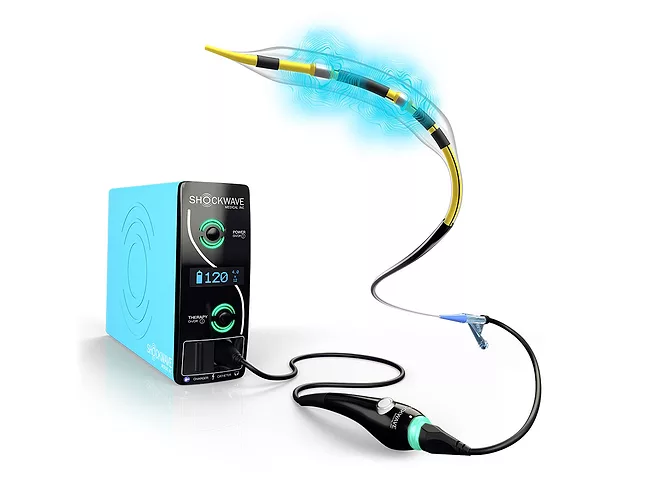
As interests and competition in the intravascular lithotripsy (IVL) market heats up, Shockwave Medical Inc. said it believes that its latest coronary IVL catheter, the C2 Aero, and other projects in the pipeline, will help it to maintain its leadership in calcium modification.
As of May 21, the U.S. SEC’s “no-deny” settlement policy is dead. For the past 50 years, the agency has required settling defendants to sign an agreement stating that they neither admit nor deny the SEC’s allegations. And beyond that, the standard settlement prohibits, under threat of court action, the defendants from ever denying the allegations publicly. According to an SEC notice to be published in the May 21 Federal Register, the agency has reconsidered the issue and is now rescinding the no-deny rule.

 RSS
RSS