Posting another win for its triple G agonist, Eli Lilly and Co. rolled out top-line phase III data from Triumph-1 showing that all doses of retatrutide met primary and key secondary endpoints for obesity, with participants losing on average between 19% and 28.3% of body weight and significantly improving their cardiovascular risk factors.
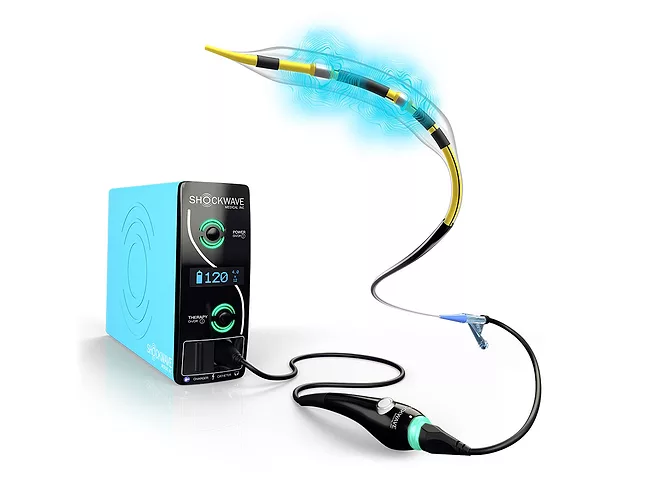
As interests and competition in the intravascular lithotripsy (IVL) market heats up, Shockwave Medical Inc. said it believes that its latest coronary IVL catheter, the C2 Aero, and other projects in the pipeline, will help it to maintain its leadership in calcium modification.
As of May 21, the U.S. SEC’s “no-deny” settlement policy is dead. For the past 50 years, the agency has required settling defendants to sign an agreement stating that they neither admit nor deny the SEC’s allegations. And beyond that, the standard settlement prohibits, under threat of court action, the defendants from ever denying the allegations publicly. According to an SEC notice to be published in the May 21 Federal Register, the agency has reconsidered the issue and is now rescinding the no-deny rule.
The short story of the U.S. Court of Appeals for the Federal Circuit’s May 19 opinion in Recor Medical Inc. v. Medtronic Ireland is that the lower court got it wrong when it ruled Medtronic lacked the required standing to bring an infringement countersuit against Recor because it had granted an exclusive license for products covered by the two asserted patents. The case was reversed and remanded.
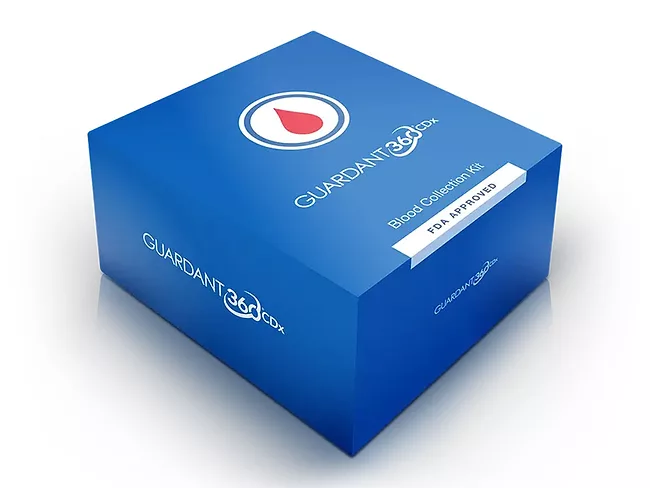
The evolution of cancer diagnostics continues with the FDA’s May 20 approval of Guardant Health Inc.’s Guardant360 Liquid cDx. The new blood-based comprehensive genomic test assesses a 100-times wider genomic footprint than the previously approved Guardant360 cDx to deliver comprehensive tumor profiling results, according to the company. It noted that the seven companion diagnostic indications already approved for the older test will transfer to the new one.
Shares of Immunovant Inc. (NASDAQ:IMVT) gained 35% after the firm disclosed early but “compelling” data from a phase IIb study testing next-generation FcRn inhibitor IMVT-1402 in patients with difficult-to-treat rheumatoid arthritis (D2T RA), including those whose disease has persisted despite treatment with TNF and JAK inhibitors.
There are real world demonstrations of how autonomous artificial intelligence agents are poised to disrupt biomedical research, according to two papers published May 19 in Nature. Each describes an AI system that assists across the piece, from generating hypotheses to designing experiments, analyzing the data and refining hypotheses in the light of new data.
In a move aimed at incentivizing companies to go and stay public, the U.S. SEC proposed two rulemakings May 19 as a foundation to the agency’s Make IPOs Great Again agenda.
Of all the issues that could be on the table at the talks between U.S. President Donald Trump and China President Xi Jinping, the life sciences sector is the “sweet spot” for collaboration between the two countries in a way that would benefit the world, Sen. Thom Tillis, R-N.C., said in a Brookings Institution webinar in advance of the two-day summit that starts May 14.
Eli Lilly and Co. lost its bid to have the U.S. Supreme Court strike down the whistleblower provisions in the False Claims Act (FCA) as unconstitutional.
 RSS
RSS