Former principal officers of the American Diabetes Association (ADA) have hit back at the association’s board and CEO after it prohibited the distribution of an editorial published in its flagship journal Diabetes Care at the ADA’s meeting in New Orleans last Friday.
Two companies with European ties signed billion-dollar deals with large pharma firms in the last two days to discover and develop molecular glue drugs, as well as to advance a preclinical Alzheimer’s disease prospect. For both companies, the up-front payments are relatively small, only $10 million for Alzecure Pharma AB, and just $40 million for Orionis Biosciences Inc. But it’s the back-end milestone amounts that are headline-grabbing.
Investors in Dianthus Therapeutics Inc. apparently chose to ignore subtleties in the difference between efforts with that firm’s claseprubart vs. those by competitor Sanofi SA, which said that the phase III Mobilize study testing riliprubart in chronic inflammatory demyelinating polyneuropathy (CIDP) will be stopped for futility.
Less than two months after Kailera Therapeutics Inc. made headlines with biopharma’s largest IPO to date, Parabilis Medicines Inc. has come along and surpassed it. The oncology-focused firm priced its upsized IPO of 3.5 million shares at $20 apiece for gross proceeds of $670 million, an amount that could rise to $770 million should underwriters exercise their full 5-million-share overallotment option.
Agios Pharmaceuticals Inc.’s potential $665 million deal for Oscotec Inc.’s cevidoplenib, a phase III-ready oral SYK inhibitor to treat immune thrombocytopenia, marks a new chapter of development focused on cancer therapy resistance for Oscotec, CEO Yoon Tae-young said.
The recent introduction of the bipartisan Biotech Investment National Security Act in the U.S. House has industry and venture capitalists urging lawmakers to take a breath, step back, and consider a less invasive approach than restricting U.S. biopharma deals with Chinese innovators.
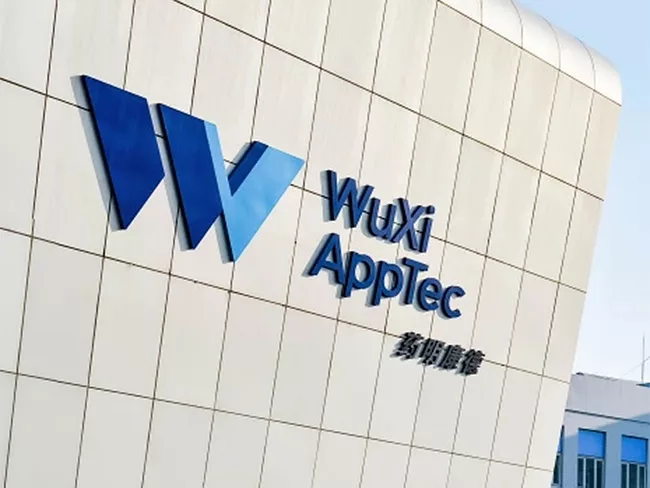
Wuxi Apptec isn’t going down without a fight after the U.S. Department of Defense added it to the Section 1260H list June 8 as a designated “Chinese military company,” which makes it a “biotechnology company of concern” under the Biosecure Act. “Such designation is mistaken and baseless,” the global contract research, development and manufacturing organization said in an open letter to its life sciences partners. “We will pursue every available avenue to correct this mistake.” That includes appealing the designation.
Scientists at Columbia University have used base editing to make precise changes in the genomes of human embryos, avoiding the damage to chromosomes that occurs following two-stranded DNA cuts with conventional Crispr-Cas9 editing.
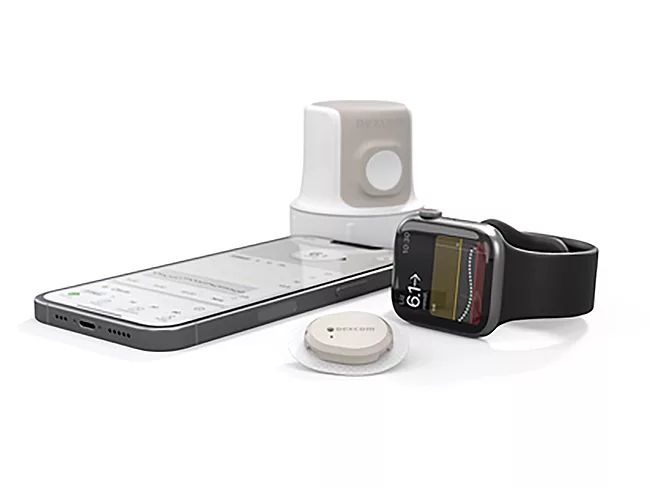
Dexcom Inc. and Insulet Corp. reported new clinical trial data on their diabetes technologies at the 2026 Scientific Sessions of the American Diabetes Association in New Orleans, offering insights that could aid in clinical adoption. Abbott Laboratories, meanwhile, highlighted the risks of diabetic ketoacidosis (DKA) and presented data showing the growing challenge of identifying DKA as it can develop quickly and mimic common illnesses.
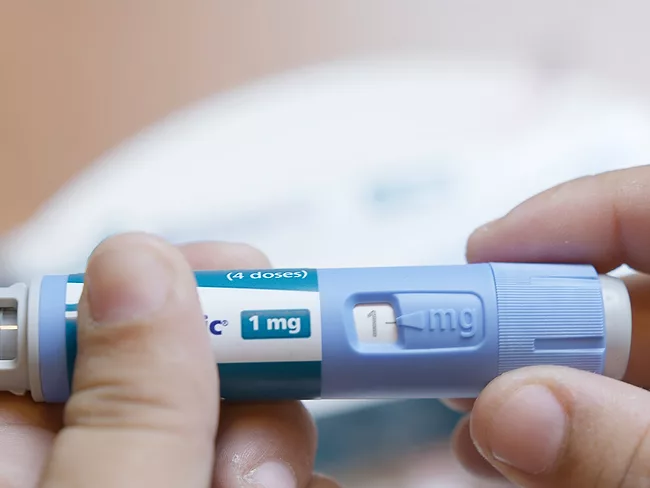
GLP-1 receptor agonists remained center stage at the 2026 Scientific Sessions of the American Diabetes Association with Boehringer Ingelheim GmbH and Astrazeneca plc, joining the leaders, Eli Lilly and Co. and Novo Nordisk A/S, in presenting data for their respective GLP-1 drugs.
 RSS
RSS