In one fell swoop March 16, a U.S. federal judge stayed the CDC’s January memo revising the childhood vaccine schedule and the Advisory Committee on Immunization Practices (ACIP) as reconstituted by Health and Human Services Secretary Robert Kennedy, along with everything that committee has done since early June.
Otsuka Pharmaceutical Co. Ltd. reaped positive results from an open-label phase II study of repinatrabit (JNT-517) in adolescents with phenylketonuria (PKU), a rare disease marked by the inability to break down the amino acid phenylalanine.
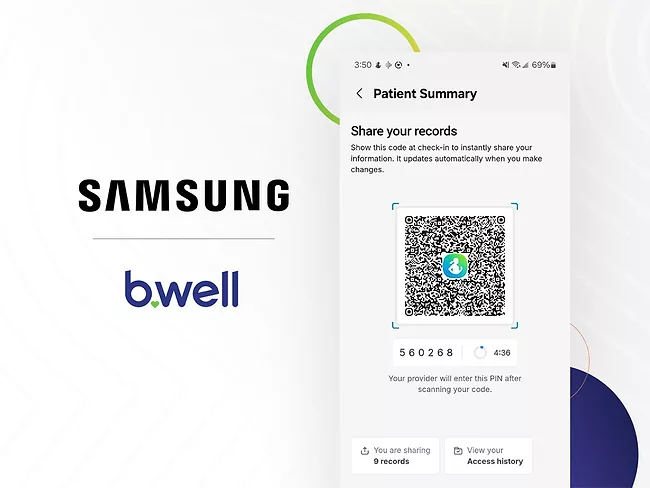
Samsung Electronics Co. Ltd. is partnering with Verily Life Sciences LLC, an Alphabet Inc. company, and B.well Connected Health to turn Samsung Galaxy phones and smart watches into the “front door” of U.S. health care.
Newco R1 Therapeutics Inc. has launched with an oversubscribed $77.5 million series A, providing the means to take AP-306, a potentially first-in-class hyperphosphatemia therapy through phase IIb development in patients with chronic kidney disease.
Shares of Cytomx Therapeutics Inc. hit a new 52-week high as the company unveiled preliminary data from an ongoing phase I study of varsetatug masetecan (Varseta-M) in late-line metastatic colorectal cancer.
The disjointed health care system that patients face today blocks a significant proportion of them from accessing life-changing, innovative drugs, prompting many in the biopharma industry to explore more direct-to-consumer (DTC) pathways. During Pharma USA, a Reuters Events meeting held in Philadelphia March 16-17, executives from Eli Lilly and Co., Roche Holding AG’s Genentech unit, Amgen Inc. and consulting firm ZS Associates, among others, offered glimpses into a future where R&D is no longer enough.
Otsuka Pharmaceutical Co. Ltd. reaped positive results from an open-label phase II study of repinatrabit (JNT-517) in adolescents with phenylketonuria (PKU), a rare disease marked by the inability to break down the amino acid phenylalanine.
Stryker Corp. is scrambling to recover from a cyberattack that’s disrupting its global network and being claimed by pro-Iranian hackers. “At this time, there is no indication of malware or ransomware, and we believe the situation is contained to our internal Microsoft environment only,” the Kalamazoo, Mich.-based med-tech company said March 12.
A study involving a small cohort of women who have received womb transplants has cast fresh light on how the immune system shapes pregnancy outcomes, opening up new avenues of research into implantation failure, preeclampsia and preterm birth. Using an array of single cell analyses, scientists at the University of Alabama at Birmingham (UAB) studied the composition and gene expression profiles of immune cells in tissue samples from five women who had received womb transplants.
The Advanced Research Projects Agency for Health (ARPA-H) launched its Delphi program March 10 to advance the development of the next generation of wearable and ingestible biosensors that can securely report deep biological data to optimize health care.
 RSS
RSS