Temperature matters when determining pH levels. Whether that level should be measured at a standard room temperature or refrigerated matters even more, at least in Actelion Ltd.’s infringement litigation against Mylan Inc. According to Johnson & Johnson’s Actelion, the pH level in epoprostenol, the key ingredient in its hypertension drug Veletri, should be measured at a refrigerated temperature when it comes to Mylan’s generic formulation.
The number of cases of hantavirus infection has risen from eight to 11, following the repatriation of passengers from the cruise ship MV Hondius, with World Health Organization (WHO) Director General Tedros Adhanom Ghebreyesus warning the danger is not over. “In fact, it has entered a new phase as the passengers and crew return home,” he told attendees of a meeting at WHO’s headquarters in Geneva on May 13.
The U.S. Patent and Trademark Office (USPTO) is driving home its message that inter partes reviews (IPRs) are not to be used in conjunction with court action presenting “inconsistent positions” as a litigation strategy.
How the U.S. FDA might view the latest Duchenne muscular dystrophy (DMD) phase III data with gene therapy RGX-202 became the question for Regenxbio Inc., shares of which (NASDAQ:RGNX) closed May 14 at $6.25, down 38%, or $3.80, after the results were made public.
Biogen Inc. has decided to advance diranersen (BIIB-080) into registrational trials for early Alzheimer’s disease, even though the antisense oligonucleotide therapy, originally discovered by Ionis Pharmaceuticals Inc., missed its phase II primary endpoint.
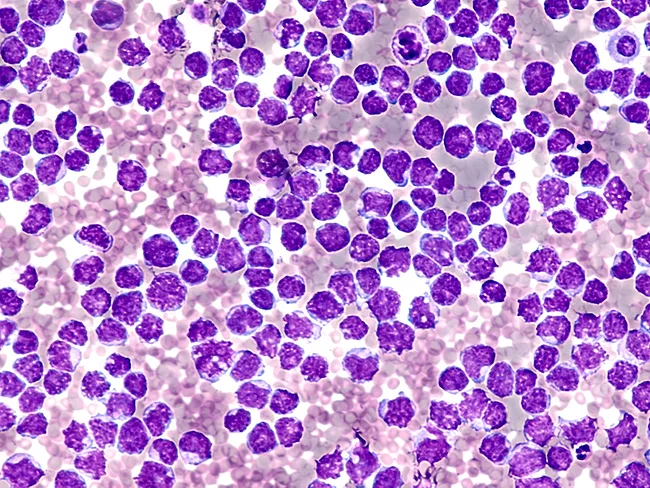
A few months after winning its first regulatory clearance in China, Beone Medicines Inc.’s next-generation BCL2 inhibitor, sonrotoclax, gained the U.S. FDA’s accelerated approval for use in patients with relapsed or refractory mantle cell lymphoma (MCL) following treatment with a BTK inhibitor. The therapy, branded Beqalzi, marks the first BCL2-targeting drug for MCL in the U.S., but the company has pointed to a bigger opportunity in the potential combination with blockbuster BTK drug Brukinsa (zanubrutinib).
Of all the issues that could be on the table at the talks between U.S. President Donald Trump and China President Xi Jinping, the life sciences sector is the “sweet spot” for collaboration between the two countries in a way that would benefit the world, Sen. Thom Tillis, R-N.C., said in a Brookings Institution webinar in advance of the two-day summit that starts May 14.
It’s a sure bet when the U.S. Trade Representative releases its annual Special 301 Report that Chile, China, India, Indonesia, Russia and Venezuela will be on the Priority Watch List. The 2026 report was no exception.
Curacle Co. Ltd. inked a potential $1.07 billion deal with U.S.-based “newco” Memento Medicines on May 10, granting the latter exclusive global rights to develop and commercialize preclinical TIE2/VEGF-directed bispecific antibody MT-103 for retinal disorders.
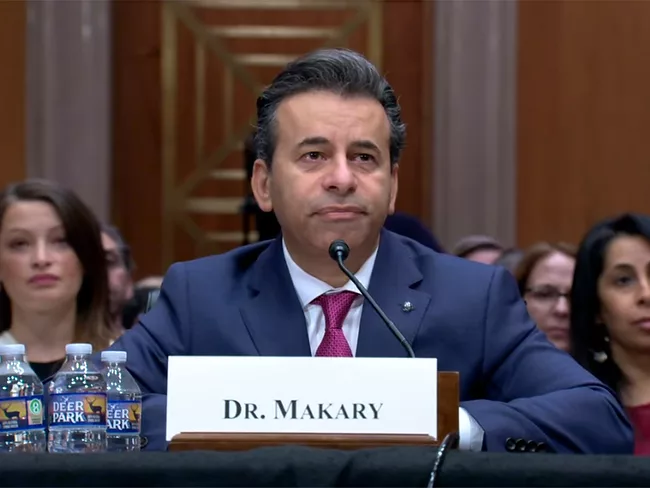
U.S. President Donald Trump ended days of rumors and speculation when he confirmed May 12 that Marty Makary is resigning as FDA commissioner. Speaking with reporters before heading off to China for a two-day summit, Trump wouldn’t comment on whether he or someone else asked Makary to step down. However, while calling Makary a “wonderful man” and a “great guy, who’s a friend of mine,” the president acknowledged that “he was having some difficulty” at the FDA.
 RSS
RSS