Among severe insulin-deficient diabetes patients, 12 weeks of 100-mg, once-daily dosing of Biomea Fusion Inc.’s icovamenib lowered hemoglobin A1c by 1.8% from placebo at the 52-week timepoint, an increased benefit over and above what was seen at 26 weeks.
Lexeo Therapeutics Inc. feels like it’s in a faster lane to a BLA for its Friedreich ataxia cardiomyopathy gene therapy after talking with the U.S. FDA. The agency told Lexeo that LX-2006 could be on the accelerated approval path if there is a mingling of the company’s data and studies.
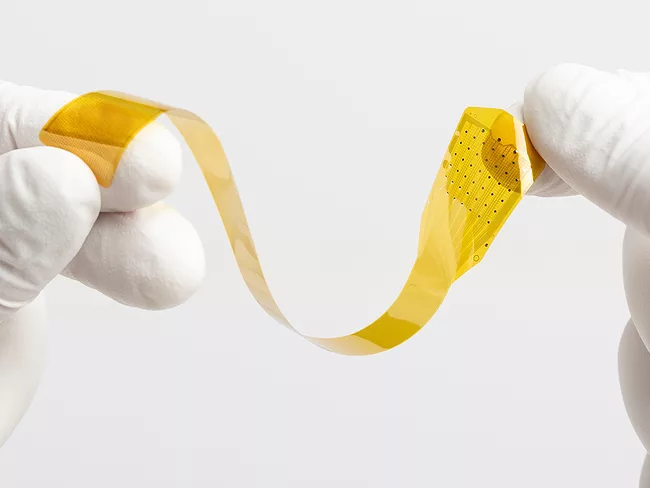
The brain-computer interface (BCI) system being developed by Precision Neuroscience Corp. is capable of capturing high-resolution brain signals and stimulating areas without damaging the cortical surface, according to a study published in Nature Biomedical Engineering.
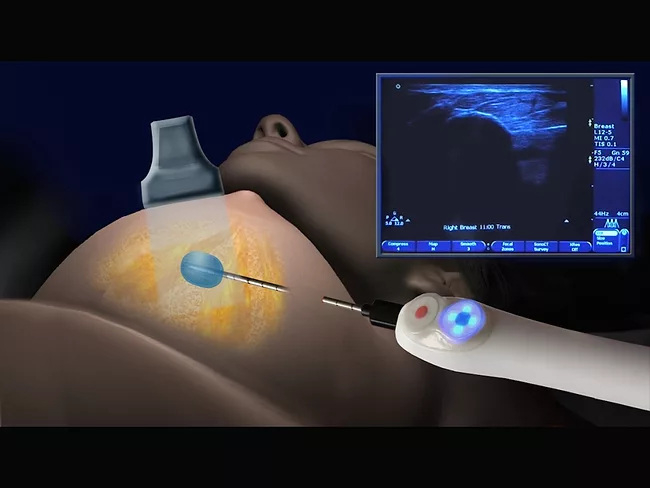
Icecure Medical Ltd. reported that the U.S. FDA has granted marketing authorization to Icecure's de novo application for the Prosense cryoablation system for the local treatment of breast cancer in patients 70 years of age or older with biologically low-risk tumors. The authorized indication includes patients that are not suitable for surgery for breast cancer treatment.
While the final word has yet to be written, Stryker Corp. came out the biggest winner in a dispute involving four related patents owned by Osteomed LLC, part of Colson Associates’ Acumed.
Even though the U.S. CDC is operating on a skeleton crew due to the partial government shutdown, it is updating its immunization schedules to adopt the COVID-19 and chickenpox vaccine recommendations the Advisory Committee on Immunization Practices (ACIP) made at its September meeting.
A top-line readout of the 26-week phase IIa Cbeyond trial showed nimacimab, Skye Bioscience Inc.’s peripherally restricted CB1 inhibitor antibody for weight loss, fell short of statistical significance as a monotherapy vs. placebo on the primary endpoint of weight loss, sending the company’s shares down 60%. Skye executives, however, offered a more optimistic outlook for the findings, which they said provide clear direction for moving forward.
In a deal that could bring more than $2.1 billion in payments to Arbor Biotechnologies Inc., 90-year-old Chiesi Group gained exclusive and global rights to develop and commercialize ABO-101 for primary hyperoxaluria type 1, an ultra-rare disease caused by a mutation in the AGXT gene, as well as an option to go after a limited number of additional targets.
Like a scene from a movie, a British beauty influencer and a German disabled war veteran could provide just the spark that Europe needs to open its financial heart to med-tech companies in need of love and cash. The Beauty Tech Group, which sells a range of U.S. FDA-cleared aesthetics devices popular with global influencers, raised £106.5 million ($144 million) in an IPO Oct. 3 on the beleaguered London Stock Exchange.
The U.S. FDA device center’s guidance agenda for fiscal 2026 is the classic case of something old and something new, but what was borrowed from FY 2025 may make some blue.
 RSS
RSS