Introduced last year as a pilot program, the U.S. FDA Commissioner’s National Priority Voucher (CNPV) could be here to stay – at least for the duration of Marty Makary’s tenure as FDA commissioner. Since the FDA unveiled the CNPV last June, it has welcomed 18 products from 16 companies into the “game-changer” program for patients, as Makary described it. The goal is to provide an “ultrafast review pathway,” one to two months instead of the standard 10 to 12 months, for drugs and biologics of strategic national importance while maintaining the FDA’s scientific and regulatory standards, according to the agency.
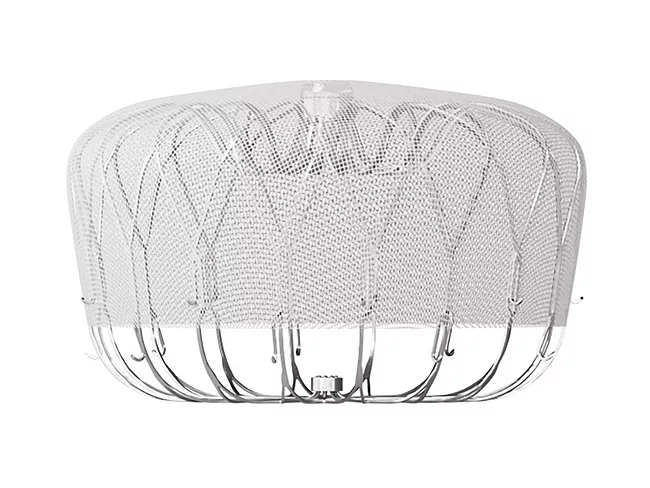
Boston Scientific Corp. revealed much-anticipated data from the Champion-AF trial which showed that its Watchman FLX device provides superior protection from bleeding compared to non-vitamin K antagonist oral anticoagulants (NOACs) in patients with atrial fibrillation (AF). The left atrial appendage closure device also proved noninferior to NOACs in reducing stroke, cardiovascular death, or systemic embolism.
United Therapeutics Corp. is eyeing a possible priority review in its anticipated supplemental NDA for Tyvaso (treprostinil) in idiopathic pulmonary fibrosis (IPF) after the second phase III trial hit its endpoints, even besting the impressive findings from the first phase III study reported last year, and positioning United for a substantial commercial launch in 2027.
Analysts were sounding pleased and the company intends to go ahead with a regulatory filing, but investors seem to have wanted more from Viridian Therapeutics Inc.’s top-line data from the elegrobart (formerly VRDN-003) Reveal-1 phase III trial in active thyroid eye disease (TED). Viridian shares (NASDAQ:VRDN) closed March 30 at $18.53, down $8.86, or 32%.
With all the focus of late on the U.S. CDC’s Advisory Committee on Immunization Practices (ACIP), the FDA’s 30-plus advisory committees have been flying under the radar, especially since many of them haven’t met for a few years now.
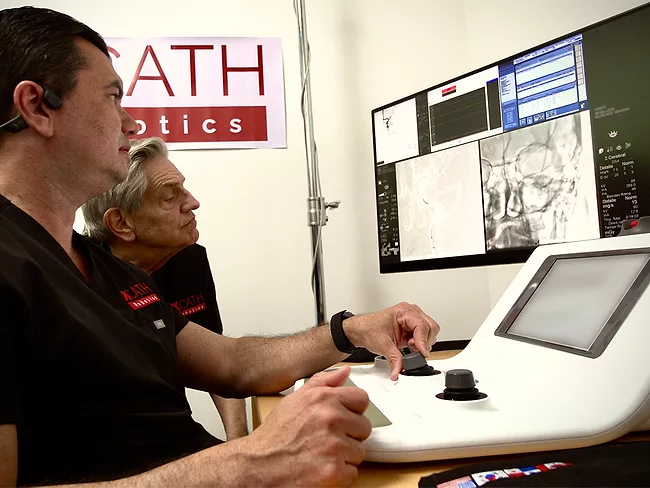
As robotic-assisted surgery platforms increasingly demonstrate that they can perform telesurgery safely, the question now is how soon remote operations will become part of routine clinical care. Eduardo Fonseca, CEO of Xcath Robotics Inc., reckons that within a decade the company’s Iris Surgical Robotic System could be in widespread use.
In a win for the rare disease space, the U.S. FDA granted accelerated approval for Rocket Pharmaceuticals Inc.’s Kresladi (marnetegragene autotemcel) as the first gene therapy option for treating severe leukocyte adhesion deficiency-I (LAD-I), an ultrarare genetic immune disorder characterized by an immunodeficiency predisposing those affected to recurrent and fatal infections.
Just five months after raising a $70 million series A round, newly launched Excellergy Inc. agreed to a $2 billion M&A transaction that would bring its trifunctional allergic effector cell response inhibitors (ECRIs) to Novartis AG.
Medtronic plc has lowered its fiscal year 2026 earnings per share (EPS) guidance by 12 cents on the back of factors relating to its diabetes subsidiary, Minimed Group Inc., which recently completed its IPO.
Endogenex Inc. has raised $50 million in an extension to its series C financing round to fund the completion of its pivotal Recet clinical study, which is evaluating the use of the company’s non-thermal pulsed electric field system for remodeling the duodenal tissue in adults with type 2 diabetes. The new capital will also be used to support the company's regulatory pathway toward U.S. FDA approval.
 RSS
RSS