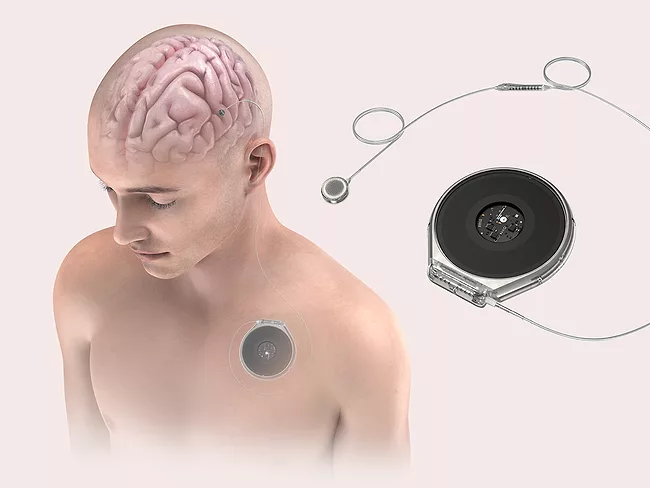
As the development of brain-computer interface (BCI) technologies gain momentum, Paradromics Inc. is building an ecosystem to enable collaboration between the company and academic researchers.
NIH Director Jay Bhattacharya is being fact-checked on his off-the cuff responses at a Senate Health, Education, Labor and Pensions Committee hearing in February. The fact-checkers are nine Democratic lawmakers from Massachusetts, only one of whom (Sen. Ed Markey) is on the committee and attended the hearing. In fact, seven of those signing the March 17 letter that questioned Bhattacharya’s veracity aren’t senators. They serve in the House.
Attacking attention deficit hyperactivity disorder (ADHD) from two different angles, thanks to a new asset just brought aboard, should help Collegium Pharmaceutical Inc. protect its revenue stream in the pesky and widespread condition. Stoughton, Mass.-based Collegium disclosed its pact March 19 with Corium Therapeutics Holdings LLC for the former to buy the latter’s Azstarys (serdexmethylphenidate and dexmethylphenidate).
Facing increasing competition to PI3Kα inhibitor Piqray (alpelisib) in breast cancer, Novartis AG looks to bolster its pipeline with next-generation programs, including phase I/II-stage candidate SNV-4818, by way of a potential $3 billion deal with Synnovation Therapeutics LLC.
In what the U.S. FDA has dubbed a milestone move toward fewer animal studies in drug development, the agency published a draft guidance to help sponsors validate new approach methodologies that can bring safe, effective drugs to market sooner based on human-centric data rather than starting off with nonclinical animal pharmacology and toxicology data.
Crossbow Therapeutics Inc. closed a $77 million series B round to support an ongoing phase I Crosscheck-001 trial of lead program, CBX-250, and additional T-Bolt immunotherapies targeting a broad range of cancers.
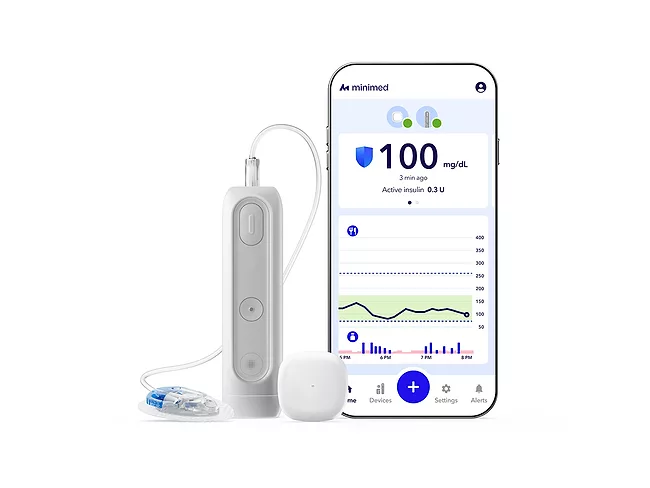
Minimed Group Inc. secured U.S. FDA approval for Minimed Flex, its next-generation discreet, smartphone-controlled insulin pump. The nod from the FDA follows the company’s debut on Nasdaq March 6. About half the size of the Minimed 780G pump and roughly the size of two stacked insulin vials, the screenless pump was designed in collaboration with people living with diabetes to offer a more intuitive, lifestyle‑friendly way to manage the condition.
With the U.S. FDA’s approval of GSK plc’s ileal bile acid transporter (IBAT) inhibitor, Lynavoy (linerixibat), patients with primary biliary cholangitis no longer need off-label treatments for a debilitating internal itch symptom called cholestatic pruritus.
Embecta Corp. agreed to acquire Owen Mumford Holdings Ltd. for up to £150 million (US$200 million) in a bid to boost its drug-delivery platforms and medical device technologies. Specifically, the deal will bring to Embecta’s portfolio Owen Mumford’s Aidaptus autoinjector, a two-step, single use platform designed to accommodate both 1-mL and 2.25-mL prefilled glass syringes in the same base device.
In a sea of uncertainty, a large-scale, long-term Swedish study is the first to show that people using GLP-1 receptor agonists are less likely to have worsening mental illness. The study involved a national cohort of 95,490 people diagnosed with depression or anxiety disorder, who also were treated with any diabetes drug (apart from insulin).
 RSS
RSS