Jyong Biotech Ltd. raised $20 million from its Nasdaq debut June 17 to advance a pipeline of botanical drugs targeting male urinary disorders. The New Taipei City, Taiwan-headquartered company’s shares began trading under the ticker MENS, and closed at $10.11 apiece at the bell, up 34.80% from its listing price of $7.50 per share. Shares had kicked up to $15 at opening, reaching double its offering price.
After years of conversations surrounding indirect research costs, academic groups are now under the gun to quickly come up with an alternative to the NIH’s proposed 15% across-the-board cap on indirect costs and the decades-old university-by-university negotiated rate that can exceed a 50% add-on to a grant.
On the same day that FDA Commissioner Martin Makary spoke in a fireside chat during the 2025 Biotechnology Innovation Organization’s International Convention, the agency unveiled a pilot commissioner’s national priority voucher program that will enable companies to receive a shortened FDA review time of one to two months.
The revised trial protocol that means a delay in filing for U.S. approval of DYNE-101 to treat myotonic dystrophy type 1 (DM1) dented shares of Dyne Therapeutics Inc. (NASDAQ:DYN), which closed June 17 at $10.86, down $2.96, or 21%.
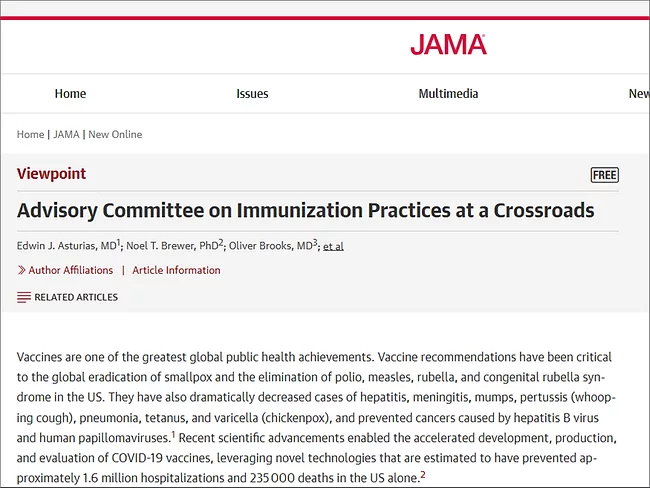
The 17 members abruptly terminated June 9 from the U.S. CDC’s Advisory Committee for Immunization Practices (ACIP) are not going gently into the night. Instead, they’re raging against what could be the dying of the light. The 17 raised their collective voices in a June 16 JAMA opinion piece to decry what’s at stake with Health and Human Services Secretary Robert Kennedy’s efforts, in his words, to “reestablish public confidence in vaccine science” by cleansing ACIP of what he claimed were conflicts due to members’ financial ties to industry.
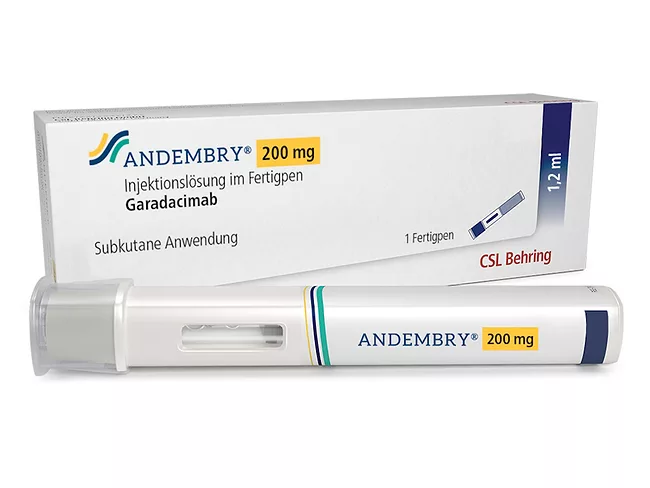
Following a complete response letter issued last October over CMC issues, CSL Behring LLC gained U.S. FDA approval June 16 of its humanized anti-factor XIIa monoclonal antibody, garadacimab (CSL-312), to prevent hereditary angioedema attacks.
Calling it “incredible news,” Massachusetts Attorney General Andrea Joy Campbell reported June 16 that U.S. District Judge William Young ordered the Trump administration to restore funding for NIH research grants focusing on gender and diversity, equity and inclusion (DEI).
The COVID-19 pandemic sent the world into a tailspin, raising ongoing concerns about biosecurity, a subject that encompassed the better part of the morning June 16, the first day of the Biotechnology Innovation Organization’s annual conference in Boston.
The U.K. government has announced the latest measures to speed up and expand clinical trials, launching Be Part of Research, a central national register where people can search and sign up to take part in studies.
How the U.S. FDA might respond became a serious question for Wall Street as Sarepta Therapeutics Inc. made known a second death due to acute liver failure with gene therapy Elevidys (delandistrogene moxeparvovec), cleared for Duchenne muscular dystrophy (DMD). Shares of Cambridge, Mass.-based Sarepta (NASDAQ:SRPT) closed June 16 at $20.94, down $15.24, or 42%, as Wall Street digested the news.

 RSS
RSS