The U.S. FDA announced March 7 that Cardinal Health of Dublin, Ohio, has expanded a product correction for Monoject devices to a product removal because of manufacturing changes that could affect product performance.
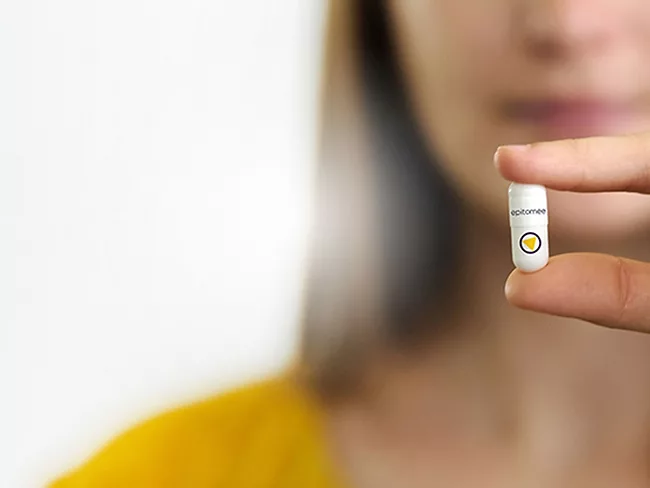
Epitomee Medical Ltd submitted its application to the U.S. FDA for 510k regulatory clearance for its swallowable weight loss capsule. It joins a host of companies offering solutions to the global obesity crisis.
This year’s annual meeting of the International Medical Device Regulators Forum (IMDRF) revolves around regulatory reliance, a notion that approaches but does not quite stray into the realm of the mutual recognition agreement.
U.S. deputy attorney general Lisa Monaco recently outlined some new programs related to federal enforcement across the economy, including some novel elements related to artificial intelligence (AI).
Superhuman soldiers. Designer babies. Genetically tailored weapons. Mind-control. A foreign database containing the DNA of every person on the planet. The list reads like the plot of a science fiction horror story, but there’s no fiction involved. These are real threats from China raised by members of the U.S. House Select Committee on the CCP (Chinese Communist Party) at a March 7 hearing on the growing stakes of the bioeconomy and American national security.
As geopolitical tensions mount, bipartisan legislation introduced in both the U.S. Senate and the House is calling to prohibit government contracts with certain Chinese biotechs such as BGI (formerly known as Beijing Genomic Institute) and Wuxi Apptec, because they are increasingly seen as national security threats.
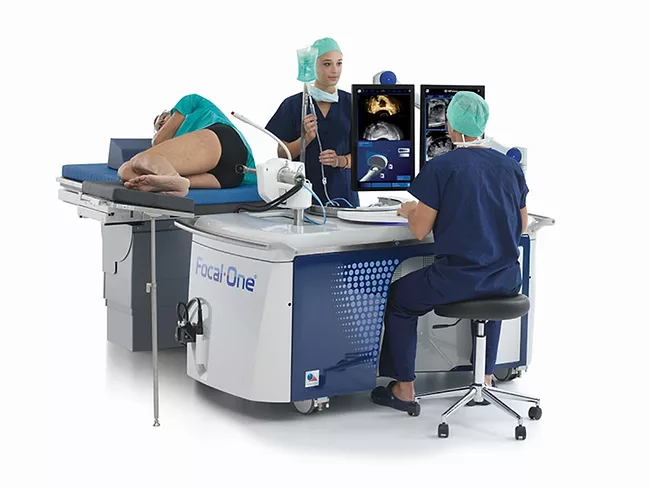
The U.S. FDA granted Edap Tms SA breakthrough device designation for its Focal One system to treat deep infiltrating rectal endometriosis. The company believes that the Focal One high intensity focused ultrasound technology can offer relief to the thousands of women suffering from the debilitating condition.
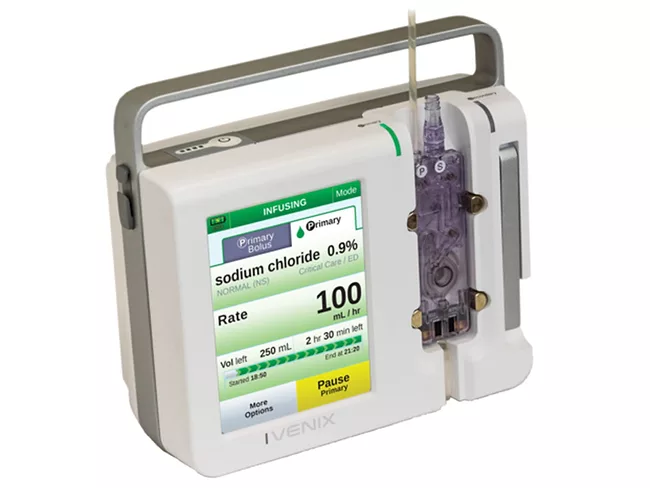
The U.S. FDA’s warning letter to Fresenius Kabi AG of Homburg, Germany highlighted several problems with the compliance practices at the company’s plant in North Andover, Mass., but there is more than just a compliance issue at play. Fresenius had acquired the Ivenix infusion pump and the inspected research and development site in its 2022 acquisition of Ivenix Inc., another example of the regulatory and compliance hazards of acquisitions in the med-tech space.
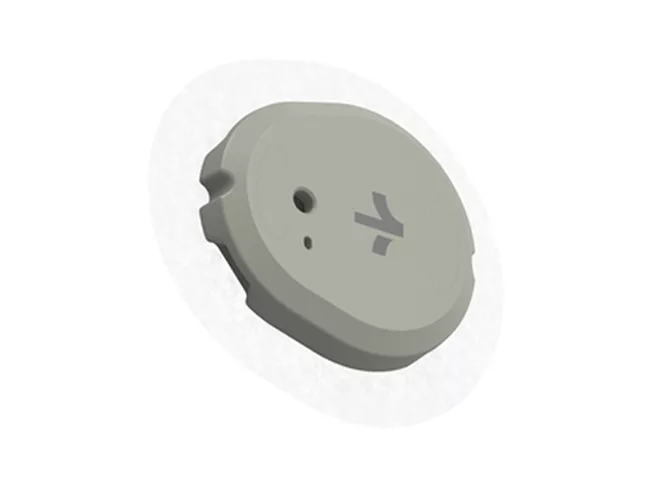
In a grand slam for Dexcom Inc., the U.S. FDA cleared its Stelo glucose biosensor system for over-the-counter marketing, making it the first integrated continuous glucose monitor available without a prescription. Designed for use by the 25 million adults with diabetes who do not use insulin and do not have problematic hypoglycemia, the FDA indication expanded the clearance for Stelo to include individuals without diabetes “who want to better understand how diet and exercise may impact blood sugar levels,” dramatically expanding the market opportunity.
The World Trade Organization wrapped up its 13th ministerial conference and, as the saying goes, no news is good news. Life science trade associations in the U.S. lauded the end of the conference without an extension of intellectual property rights waivers for therapies and diagnostics for the COVID-19 pandemic, although this outcome was not entirely surprising.
 RSS
RSS