“The market stinks,” Brian Johnson, a partner and vice chair of Wilmerhale’s corporate practice group, told a U.S. SEC advisory committee Feb. 27, as he painted a gloomy picture of last year’s IPO landscape in the U.S. While the scene was a little brighter than in 2022, a few key indicators could be worrisome, especially the median offering size, which is predictive of the strength of the IPO market, Johnson said
The U.S. National Institutes of Health reported the launch of a network for clinical trials that will examine the utility of cancer screening tools, which will start with a pilot study of multi-cancer detection (MCD) tests.
The U.S. FDA’s approach to predetermined change control plans (PCCP) for medical devices has been widely viewed through the lens of artificial intelligence software, but the potential scope of PCCP is much broader than merely evolutionary software and iterative device designs.
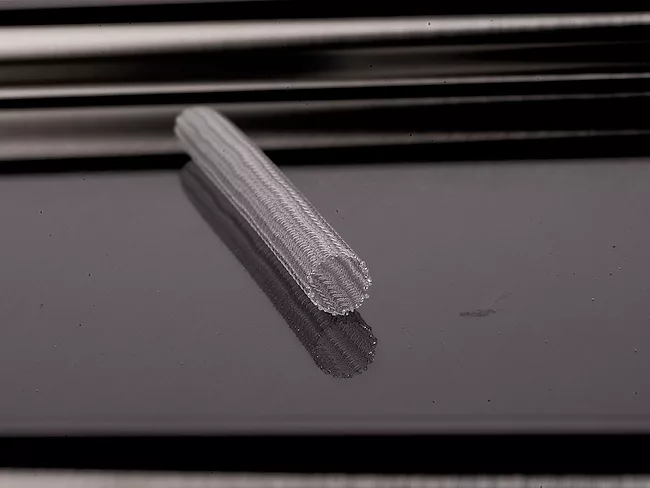
Woven Orthopedic Technologies LLC secured a second U.S. FDA 510(k) clearance for the use of its Ogmend implant enhancement system in spine surgery. The approval is for the large size Ogmend sleeve which is compatible with pedicle screws up to 10.5 mm and will give surgeons a tool to be able to easily secure stable fixation between the screw and bone during orthopedic surgery.
Australia’s Therapeutic Goods Administration (TGA) proposed in July 2023 to develop a framework for audits for premarket device applications, but the Medical Technology Association of Australia (MTAA) registered several concerns about the proposal.
In recent years, the U.S. Congress has come to rely unduly on continuing budget resolutions to fund government operations, and fiscal year 2024 is no exception. The current continuing resolution (CR) for the FDA budget is set to expire March 1, but there is concern that Congress will resort yet again to a CR to cover the balance of fiscal 2024, a predicament which suggests that the FDA’s appropriations may be flat relative to fiscal year 2023.
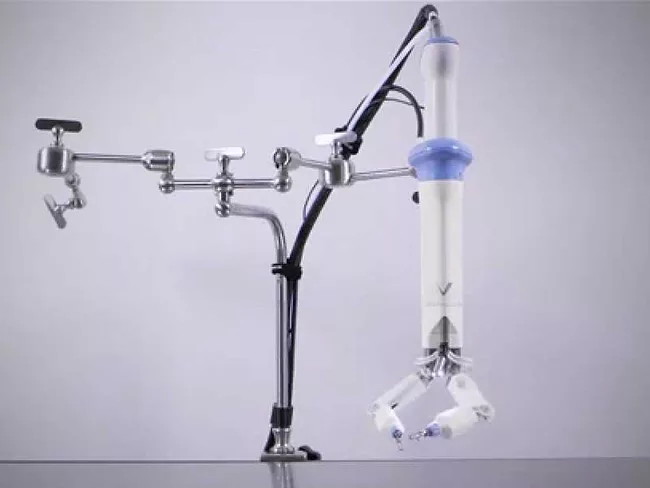
The U.S. FDA granted Virtual Incision Corp. de novo marketing authorization for its miniaturized in vivo robotic assistant for use in colectomy procedures in adults. The two-pound device offers portability and quick setup, eliminating the need for specialized operating rooms or arrangements to accommodate robotics.
The U.S. FDA issued an update to a previous advisory to doctors regarding the use of electromyogram endotracheal tubes made by Dublin-based Medtronic plc., but there is still some noise in the agency’s communications regarding this matter.
Zimmer Biomet Holdings Inc.’s Rosa robotics surgical assistant snapped up its fourth application with the U.S. FDA’s 510(k) clearance for use in shoulder replacement surgery. Over the past five years, the system has built a portfolio that includes partial and total knee replacement and total hip replacement.
Instead of inter partes review (IPR) being a streamlined alternative to costly patent litigation as intended, a precedential decision by the U.S. Circuit Court of Appeals for the Federal Circuit could make appeals of IPR decisions, regardless of their merits, another way to delay competition.

 RSS
RSS