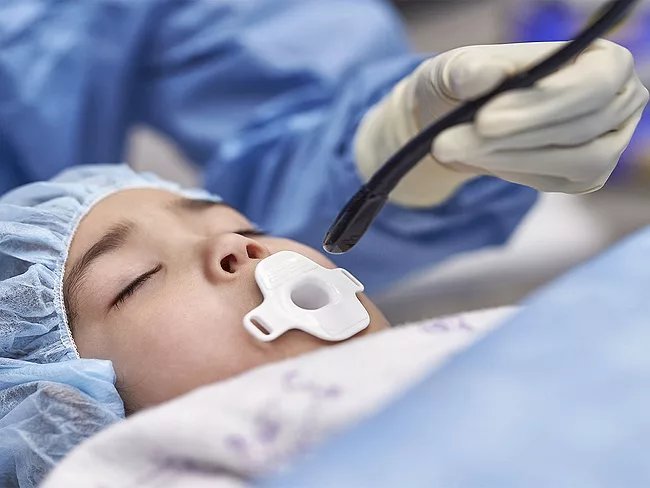
Cyted Ltd. received U.S. FDA 510(k) clearance for its Endosign capsule technology, a non-endoscopic capsule sponge device used to collect pan-esophageal samples to detect esophageal pre-cancer and other conditions. The company believes that the minimally invasive test will be able to help prevent deaths from esophageal cancer when offered as a screening test to people on long-term medication for heartburn.
The story of how pigmentation affects the accuracy of pulse oximetry is still in play in the U.S. even though the FDA issued guidance on the subject in 2013, but the latest advisory hearing on the subject has added a new confounder to the story.
Fraud on federal health programs often revolves around illicit billings for in vitro diagnostics, but the U.S. Department of Justice (DOJ) has added mobile cardiac positron emission tomography (PET) to the list of technologies that have been used to violate the law.
The European Union (EU) is steadily making progress on the Artificial Intelligence Act (AI Act), landmark legislation that will affect AI not just for medical uses, but for all uses across the EU economy.
The controversy over the use of paclitaxel (PTX) in devices used to treat peripheral artery disease (PAD) has taken roughly half a decade to unwind as regulatory agencies across the globe stand down their restrictions on the use of these devices.
The U.S. FDA has announced the next stage in its program to down-classify a series of in vitro diagnostics (IVDs) from class III to class II, a change that would significantly ease the premarket requirements for these test types. Much of the emphasis here is on companion diagnostic (CDx) tests, a category of products that is the focus of a separate FDA imperative, but there are those who view this down-classification regime as little more than a meager attempt to paste over a massive impending regulatory overhang.
Royal Philips NV recently received some good news from the U.S. FDA which cleared its latest transesophageal echocardiography (TEE) ultrasound transducer, amidst ongoing efforts with the regulatory body to address problems with its sleep business. The X11-4t Mini 3D TEE transducer is 35% smaller than previous versions and is designed to provide cardiologists with high quality 3D images of the heart and its internal structure.
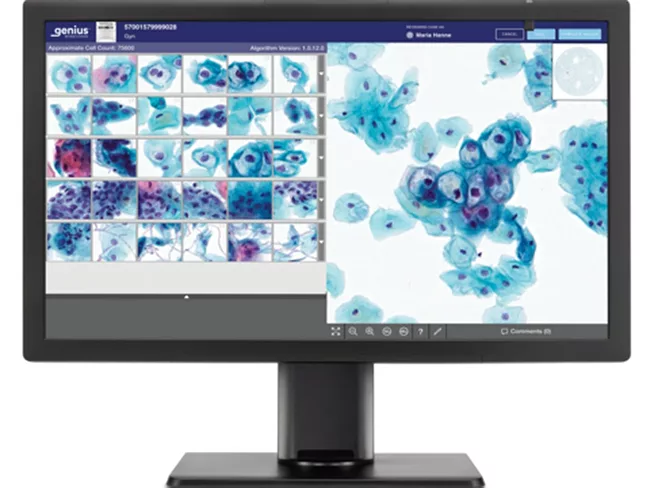
Hologic Inc.’s focus on women’s health is looking like a brilliant move as the company lands U.S. FDA clearance for its Genius digital diagnostics system with the Genius cervical artificial intelligence algorithm, making it the first digital cytology system with clearance, the company said.
Edwards Lifesciences Corp. received some good news with the earlier-than-expected U.S. FDA approval of its Evoque tricuspid valve replacement system. The company beat out rival Abbott Laboratories for the honor of being the first transcatheter therapy to receive FDA approval.
The U.S. Federal Trade Commission (FTC) has drawn blistering criticism over the past couple of years over its handling of merger and acquisition (M&A) activity, criticism that was anything but blunted in a Jan. 31 webinar on the subject.
 RSS
RSS