Shattuck Labs Inc. has reported that its IND from the U.S. FDA for SL-325 for the treatment of inflammatory bowel disease is now in effect. The company expects to commence a phase I trial in healthy volunteers in the third quarter of this year.
Signos Inc. landed U.S. FDA clearance for its over-the-counter glucose monitoring system, which combines Dexcom Inc.'s non-prescription Stelo continuous glucose monitor with an AI-powered platform focused on weight management and metabolism. The sensor transmits glucose readings to a smartphone app that interprets the data, provides guidance for healthy habits and educates the user.
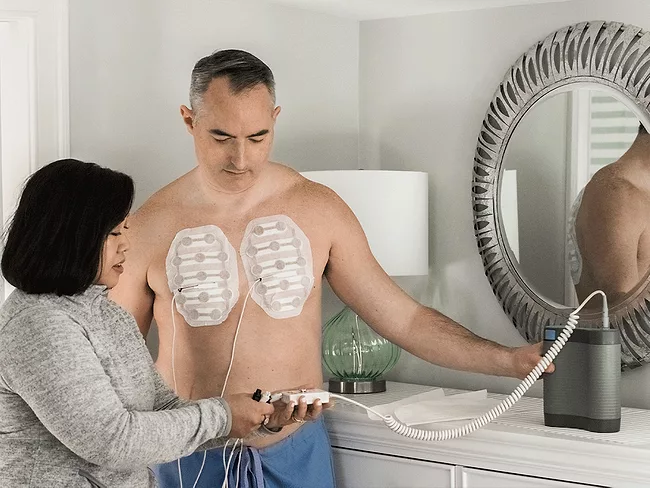
Novocure GmbH said it submitted a premarket approval application to the U.S. FDA for its Optune Lua wearable device tumor treating fields therapy for the treatment of locally advanced pancreatic cancer.
South Korea’s Ministry of Food and Drug Safety (MFDS) launched a new industry-academia-research consortium to support the nation’s organoid industry, expected to grow in light of the U.S. FDA’s shift away from animal testing in the development of novel drugs.
South Korea’s Ministry of Food and Drug Safety (MFDS) launched a new industry-academia-research consortium to support the nation’s organoid industry, expected to grow in light of the U.S. FDA’s shift away from animal testing in the development of novel drugs.
No matter what level of tariff the Trump administration ends up imposing on biopharmaceuticals across the world, drugs and their precursors originating in the EU will face no more than a 15% tariff when imported to the U.S., according to an Aug. 21 EU-U.S. joint statement regarding the trade framework agreement between the two trade partners.
Showing similar results as the first phase III trial completed in 2022, Nicox SA’s nitric oxide-donating bimatoprost eye drop, NCX-470, met the primary endpoint in the phase III Denali trial for open-angle glaucoma or ocular hypertension, clearing the way for regulatory filings in both the U.S. and China.
In Ionis Pharmaceuticals Inc.’s second U.S. FDA approval in under a year, the agency approved Dawnzera (donidalorsen) as a prophylactic therapy in the rare and genetic disease hereditary angioedema (HAE). The approval came as scheduled as the NDA had a PDUFA date of Aug. 21. Dawnzera now joins a market with previously approved drugs for the rare, genetic, life-threatening condition, as well as other companies with HAE drugs in development.
The U.S. FDA released another series of regulations for de novo devices, but the attendant regulation is not always available for these de novo devices.
With a few tweaks to the protocol, Rocket Pharmaceuticals Inc.’s phase II trial testing RP-A501 in Danon disease is expected to resume following the lifting of the clinical hold, issued by the U.S. FDA in May in response to the death of a patient in the pivotal gene therapy study.
 RSS
RSS