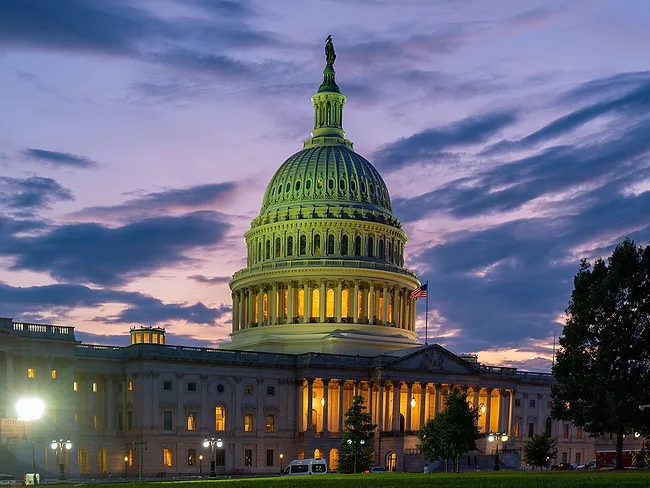
Caught between the start of fiscal 2026 and a congressional funding standoff that shut down much of the U.S. federal government Oct. 1, the FDA will not be able to collect 2026 user fees until Congress agrees on a continuing resolution or a 2026 appropriations bill.
A U.S. FDA complete response letter (CRL) citing manufacturing concerns has stepped into the way of a rare genetic disorder treatment. Fortress Biotech Inc. and its subsidiary, Cyprium Therapeutics Inc., said the letter in response to the NDA for CUTX-101, an injectable formulation of copper histidinate, noted cGMP deficiencies at the facility where the Menkes disease treatment is manufactured.
Patients with chronic spontaneous urticaria who remain symptomatic despite H1 antihistamine treatment now have a new oral treatment option, with the U.S. FDA’s approval of Novartis AG’s Rhapsido (remibrutinib), a Bruton’s tyrosine kinase inhibitor administered by pill twice daily.
The FDA has granted orphan drug designation to FRF-001, the FOXG1 Research Foundation’s lead gene therapy candidate for the treatment of FOXG1 syndrome. This follows the FDA’s earlier award of rare pediatric disease designation to the investigational therapy.
CSPC Pharmaceutical Group Ltd. has obtained clearance from China’s National Medical Products Administration (NMPA) to conduct clinical trials in China with SYH-2070 injection, a double-stranded small interfering RNA (siRNA) drug for the treatment of hypertriglyceridemia or mixed hyperlipidemia.
Pfizer Inc. has become the first drugmaker to agree to provide its products at most-favored nation (MFN) pricing, an effort aimed at lowering the costs of U.S. drug prices by bringing them in line with the prices paid in other developed nations.
Palmetto GBA, the Medicare administrative contractor for most of the southeastern U.S., has opened a coverage analysis for the use of irreversible electroporation for a variety of cancers, but Palmetto has made it clear that it is unwilling to cover the procedure pending additional evidence.
The U.S. FDA’s early alert program has communicated a number of potential device malfunction episodes since its inception in late 2024, but the agency announced that the program is now moving out of the pilot phase to include all device types as of Sept. 29.
Despite down-to-the-wire negotiations, the odds are that parts of the U.S. government will shut down at midnight Sept. 30, as Senate Democrats refused to support a seven-week, clean continuing resolution already passed by the House to keep the government funded while Congress hammers out fiscal 2026 spending bills.
The threat of tariffs on imports of branded drugs is about to be realized after U.S. President Donald Trump announced a 100% import duty will apply beginning Oct. 1. However, the flurry of recent announcements by pharma companies of investments in U.S. manufacturing plants may have paid off, with the president saying in his announcement on Truth Social that the 100% rate will be enforced “unless a company is building their manufacturing plant in America.”
 RSS
RSS