For years, Japan’s “drug lag” was shorthand for slow regulatory reviews and delayed approvals compared with the U.S. and Europe. But even as regulatory timelines have shortened, review capacity has expanded and international alignment has improved, Japanese patients still face gaps in access to innovative drugs.
The presbyopia space gained another player as Tenpoint Therapeutics Ltd. won the U.S. FDA’s go-ahead for Yuvezzi (carbachol and brimonidine tartrate ophthalmic solution, 2.75%/0.1%, previously known as Brimochol PF), the first and only dual-agent eye drop for the treatment of adult presbyopia.
En Carta Diagnostics SA's EC Pocket Lyme received FDA breakthrough device designation for its rapid, molecular diagnostic test for the early detection of Borrelia bacteria, which causes Lyme disease. The designation marks a pivotal step for the French startup as it will enable closer interaction with the agency, accelerating its route to market, and getting it to patients sooner.
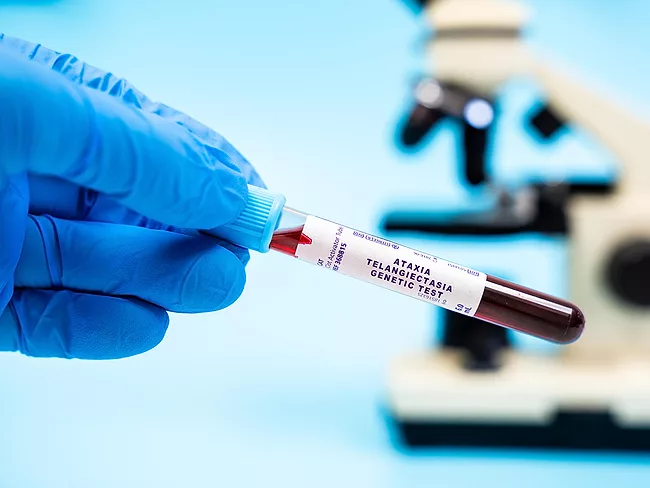
A Jan. 28 report on Medicare spending on lab tests indicated that spending on many types of tests flattened between 2022 and 2024, but spending on genetic tests rose 20% between 2023 and 2024 to $3.6 billion. While the report does not specifically call out fraud as a driver of spending, the U.S. Department of Justice posted a Jan. 26 press release identifying a case of Medicare gene testing fraud that amounted to $52 million, just one of several recent examples of this kind of fraud.
Siren Biotechnology Inc. has obtained IND approval from the FDA enabling the initiation of its first-in-human trial for its lead investigational program SRN-101 in adult patients with recurrent high-grade glioma.
Rolling out guidance to help pharma manufacturers provide direct-to-consumer drugs at lower prices, the U.S. Department of Health and Human Services (HHS) clarified ways to eliminate the middlemen while still abiding by the federal anti-kickback statute.
The pressure on U.S. drug prices continues, with the CMS lining up the drugs for round 3 of negotiations, which will set maximum fair prices to go into effect in 2028. The slate includes 15 drugs and, for the first time, opens the negotiations to Part B drugs, as well as Part D. Consequently, seven of the 15 selected drugs are biologics.
Third-party litigation funding in Europe has created enough of a stir that several trade associations issued a joint statement making the case that the unregulated nature of these funding agreements is increasing the cost of doing business in a region that is already quite expensive.
The U.S. FDA’s October 2025 draft guidance for quality management system information in premarket filings may have struck some observers as an example of regulatory overreach, given the robust opposition to several key aspects of the draft on the parts of the Advanced Medical Technology Association and the Medical Device Manufacturers Association.
 RSS
RSS