In what was more of a campaign speech accompanied by frequent chants of “four more years,” U.S. President Joe Biden loaded the annual State of the Union address March 7 with what sounded like campaign promises for a second term. Among those promises were calls to Congress to expand the prescription drug price provisions of the 2022 Inflation Reduction Act.
Superhuman soldiers. Designer babies. Genetically tailored weapons. Mind-control. A foreign database containing the DNA of every person on the planet. The list reads like the plot of a science fiction horror story, but there’s no fiction involved. These are real threats from China raised by members of the U.S. House Select Committee on the CCP (Chinese Communist Party) at a March 7 hearing on the growing stakes of the bioeconomy and American national security.
As geopolitical tensions mount, bipartisan legislation introduced in both the U.S. Senate and the House is calling to prohibit government contracts with certain Chinese biotechs such as BGI (formerly known as Beijing Genomic Institute) and Wuxi Apptec, because they are increasingly seen as national security threats.
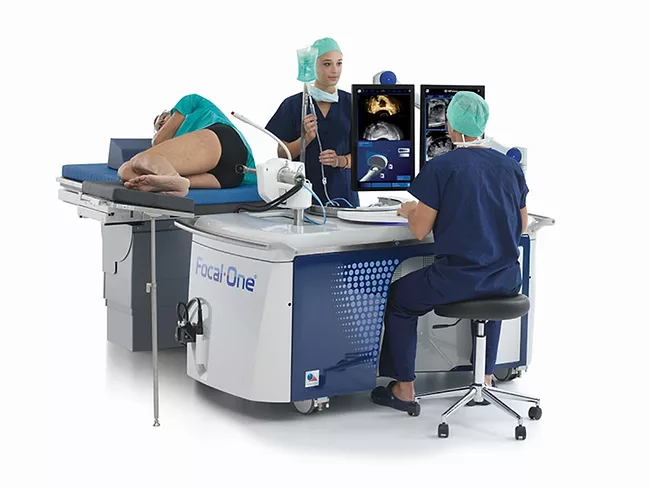
The U.S. FDA granted Edap Tms SA breakthrough device designation for its Focal One system to treat deep infiltrating rectal endometriosis. The company believes that the Focal One high intensity focused ultrasound technology can offer relief to the thousands of women suffering from the debilitating condition.
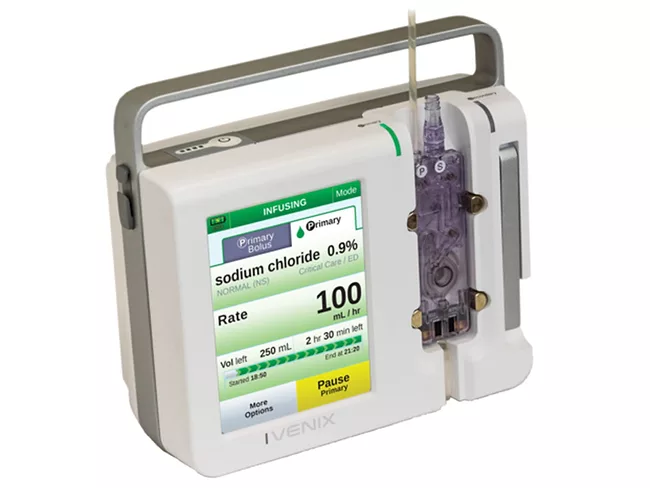
The U.S. FDA’s warning letter to Fresenius Kabi AG of Homburg, Germany highlighted several problems with the compliance practices at the company’s plant in North Andover, Mass., but there is more than just a compliance issue at play. Fresenius had acquired the Ivenix infusion pump and the inspected research and development site in its 2022 acquisition of Ivenix Inc., another example of the regulatory and compliance hazards of acquisitions in the med-tech space.
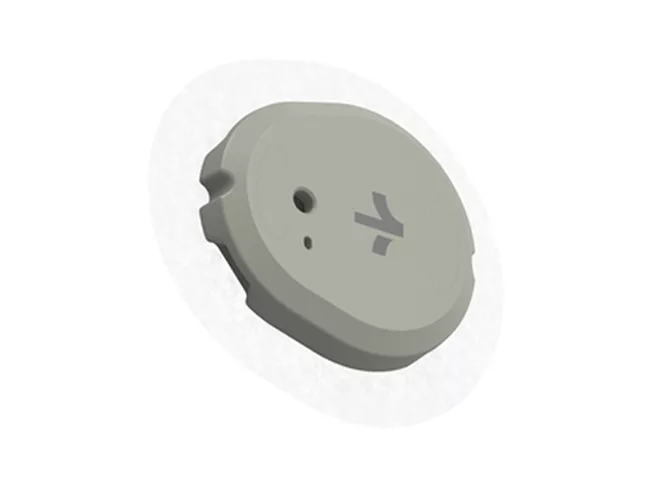
In a grand slam for Dexcom Inc., the U.S. FDA cleared its Stelo glucose biosensor system for over-the-counter marketing, making it the first integrated continuous glucose monitor available without a prescription. Designed for use by the 25 million adults with diabetes who do not use insulin and do not have problematic hypoglycemia, the FDA indication expanded the clearance for Stelo to include individuals without diabetes “who want to better understand how diet and exercise may impact blood sugar levels,” dramatically expanding the market opportunity.
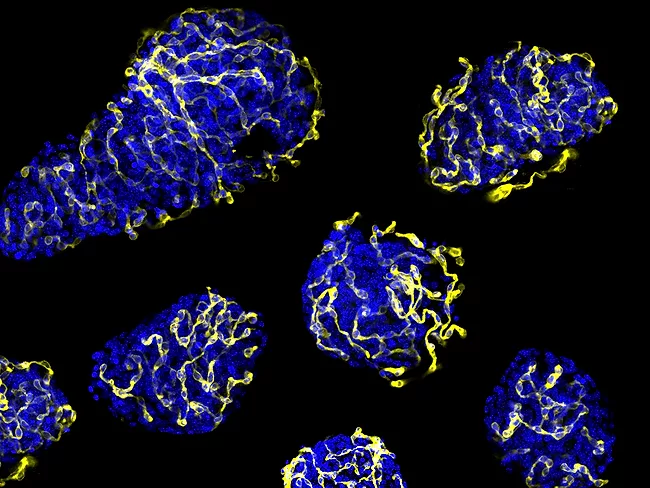
Creative Medical Technology Holdings Inc.'s Immcelz (CELZ-101) has been awarded orphan drug designation by the FDA. Immcelz is aimed at preventing allograft rejection in patients undergoing pancreatic islet cell transplantation.
A heads up for the biopharma and med-tech industries: The U.S. government is going beyond warning letters to slap companies for violating the FDA’s good manufacturing practice (GMP) regulations. KVK Research Inc., a U.S.-based generic drug manufacturer, pleaded guilty March 6 to two misdemeanor counts of violating the Federal Food, Drug and Cosmetics Act by introducing adulterated drugs into interstate commerce. As part of the plea, the company agreed to pay a proposed fine and forfeiture amount of $1.5 million.
The biosimilars revolution continues with the U.S. FDA’s approval of the first denosumab biosimilars: Wyost (denosumab-bbdz) and Jubbonti (denosumab-bbdz) from Sandoz Inc. for treating osteoporosis and to prevent bone problems in cancer. The approval puts up a strong challenge to Amgen Inc.’s Prolia, the first biologic for osteoporosis, and Xgeva, for bone cancer.
Shionogi & Co. Ltd., of Osaka, Japan, gained standard approval from Japan’s Ministry of Health, Labour and Welfare for Xocova (ensitrelvir fumaric acid) on March 5, making it the first COVID-19 antiviral to win full approval in the country.

 RSS
RSS