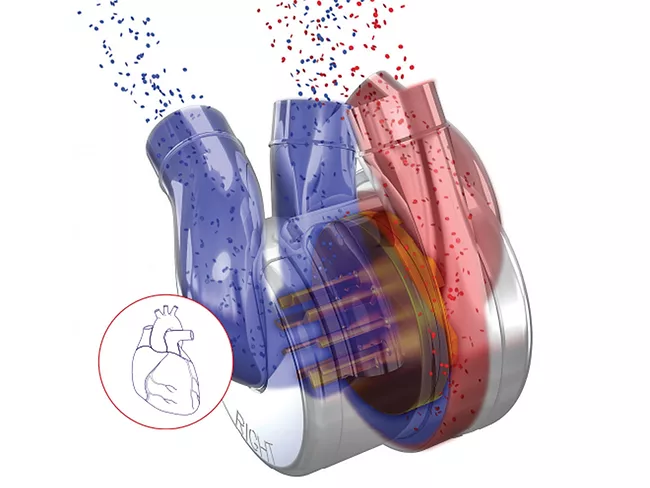
The U.S. FDA’s decision to grant breakthrough device designation for Bivacor Inc.’s titanium total artificial heart (TAH) sent real hearts aflutter at the Huntington, Calif.-based company’s headquarters. While the designation supports use of the TAH as a bridge to transplant for adults with biventricular or univentricular heart failure for whom current options are insufficient or unsuitable, Bivacor hopes its device will eventually serve as a long-term heart replacement.
The Trump administration released its budget proposal for fiscal year 2026, which would chop roughly 40% from the NIH budget over the current fiscal year — a proposal that might not find much support on Capitol Hill.
The U.S. FDA declined to appeal the outcome of a lawsuit eviscerating the agency’s final rule for regulation of lab-developed tests despite a 60-day window to do so.
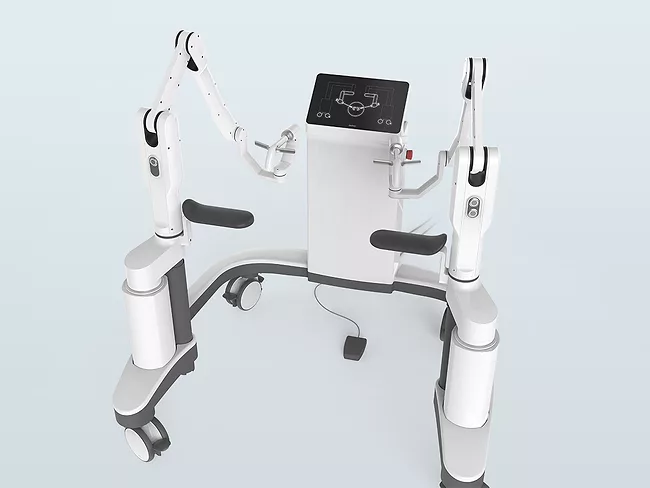
The U.S. FDA granted 510(k) clearance to Distalmotion SA's Dexter, its surgical robotic system, for use in cholecystectomy in adults. The greenlight from the regulatory body is the second nod Dexter has received following de novo clearance granted in 2024 for use in inguinal hernia repair.
The U.S. FDA’s device guidance drought ended with the issuance of one draft and one final guidance, the latter of which deals with the Q-sub program for early interaction with sponsors of device applications. Per a request by industry, the agency indicated it is amenable to including FDA policy staff during these meetings, which may help to avoid surprises in premarket applications.
Boston Scientific Corp. reported the latest setback in its transcatheter aortic valve replacement (TAVR) aspirations with the news that it is officially discontinuing worldwide sales of its Acurate neo2 and Acurate Prime systems
The U.S. FDA issued general correspondence letters to two device testing labs located in China. This is the latest in a series of moves by the agency to crack down on falsified or otherwise invalid device testing data.
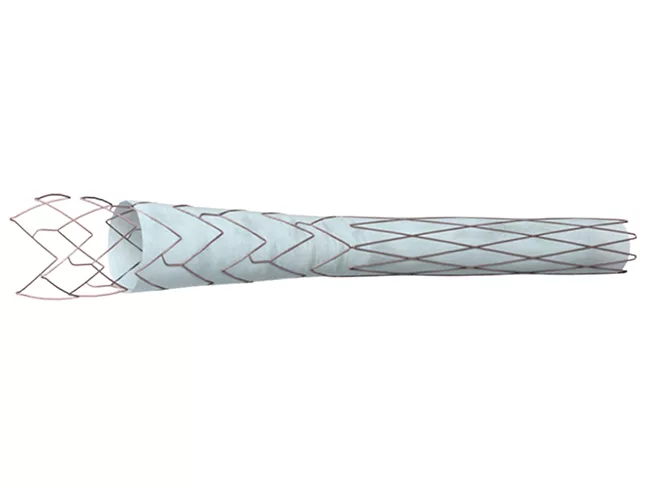
The U.S. FDA approved Phraxis Inc.’s Endoforce Connector for endovascular venous anastomosis, which eliminates the need for surgical dissection for individuals undergoing hemodialysis for kidney failure. The device is designed to reduce tissue trauma and improve long-term graft performance.
U.S. FDA commissioner Marty Makary appeared at the May 22 Senate Appropriations Committee with the news the White House proposed an FDA budget for fiscal 2026 of $6.8 billion including user fees. This is a cut of 11.5% that will not likely go over well on Capitol Hill as the FY 2026 budget process unwinds.
Fujirebio Diagnostics Inc.’s Alzheimer’s disease assay received the U.S. FDA’s first clearance for a blood test for the debilitating neurodegenerative disease. Fujirebio’s Lumipulse G pTau217/ß-Amyloid 1-42 plasma ratio is indicated for the early detection of amyloid plaques associated with Alzheimer’s disease in symptomatic individuals aged 55 years and older.
 RSS
RSS