Eleven pages is relatively short for a modern U.S. FDA draft guidance, but two trade associations nonetheless had questions about the FDA draft for transfers of 510(k) devices, such as how the agency defines the holder of the 510(k).
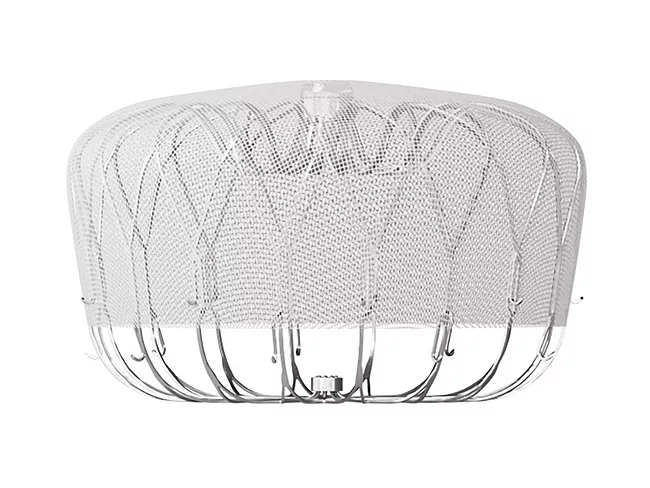
The U.S. FDA posted an Aug. 6 early alert regarding the use of the Watchman left atrial appendage device by Boston Scientific Corp., citing instances in which the device’s delivery system is associated with events of embolism.
Just two days after reporting the appointment of a new CEO, Instylla Inc. said it received a premarket approval from the U.S. FDA for its flagship product Embrace hydrogel embolic system. Embrace HES has been approved for the embolization of hypervascular tumors in peripheral arteries.
The U.S. Department of Health and Human Services has tapped Sean Keveney for the job of FDA chief counsel, but the recent history of the position muddies the waters when it comes to HHS oversight of FDA legal affairs.
The U.S. FDA has staked out a position on the use of per- and polyfluoroalkyl substances in medical devices, declaring that the evidence offers no reason to restrict their continued use in med-tech products.
Olympus Corp.’s “active investment” in endoluminal robotics has materialized in a new joint venture med-tech called Swan Endosurgical Inc., with Revival Healthcare Capital LLC.
Negotiations for the sixth U.S. FDA device user fee agreement (MDUFA VI) are officially underway, and the Aug. 4 meeting highlighted some of the differences between the agency’s and industry’s expectations.
The FDA announced July 17 that Dexcom Inc. recalled a series of continuous glucose monitor receivers for a failure of speakers to issue an alert for out-of-specification blood glucose measures. This is a clear demonstration of the principle that greater device functionality often creates new types of risk.
While inflation in the U.S. is hovering below 3%, increases in some FDA user fees for fiscal 2026 are tripling that rate. PDUFA fees for branded prescription drugs and biological products will see a 9% hike come Oct. 1, and the increase in MDUFA fees will more than double the inflation rate with a 7% hike across the board.
The U.S. Federal Trade Commission announced a $14.6 million grant it received for an upgrade of its IT infrastructure. The same grant mechanism is leveraged by the Department of Justice, which is a clear sign that U.S. enforcement will be more vigorously enabled by sophisticated analytics going forward.
 RSS
RSS