The U.S. FDA issued a pair of final guidances this week, including one that outlines the criteria for authorizing emergency use of unapproved in vitro diagnostic tests during future public health emergencies and another on software assurance in computer and data processing systems for medical device production.
Heartflow Inc. hasn’t skipped a beat in pumping out good news, with U.S. FDA 510(k) clearance for its next-gen plaque analysis algorithm and platform and Cigna coverage across all lines of coverage starting in October. The new algorithm improves plaque detection 21% compared to the first version of Heartflow’s algorithm.
Medtronic plc received U.S. FDA approval for Altaviva, a minimally invasive implantable tibial neuromodulation device designed to treat urge urinary incontinence. Insertion near the ankle requires neither sedation nor imaging and patients walk out the clinic door with the device already activated.
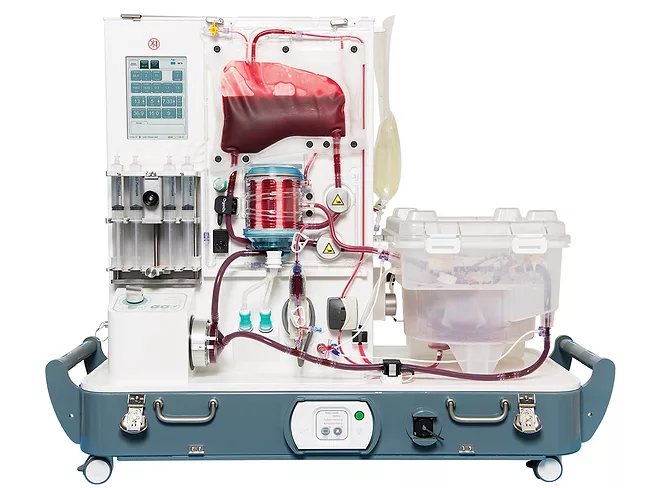
Organox Ltd.’s normothermic machine perfusion device, Metra, has been cleared by the U.S. FDA for use during air transport. The greenlight from the regulatory body paves the way for the broader use of donor organs that might otherwise be discarded, as the Metra system circulates oxygen and nutrient rich perfusate through the organ at near-body temperature, extending preservation times.
A committee of the House of Representatives advanced a bill that if passed will give eligible breakthrough medical devices four years of Medicare coverage.
“The comment I hear a lot from scientists … is that science has no borders,” Arif Noorani, partner at Sidley Austin LLP, said while addressing the panel audience at Asia Bio 2025 in Singapore. “I agree, but the reality is, we do have a lot of borders.”
Biocartis Group NV received premarket approval from the U.S. FDA for its Idylla Cdx MSI test, developed in partnership with Bristol Myers Squibb Co., to help in the diagnosis and treatment of colorectal cancer. The cartridge-based, fully automated, sample-to-result test enables faster identification of patients with the disease who may benefit from therapeutic treatment.
Recent comments from CDER Director George Tidmarsh suggesting that the agency may be backing away from the use of its independent expert panels for individual product approvals seem to be supported by the numbers.
It took a memo from the president for the U.S. FDA to begin reining in direct-to-consumer prescription drug advertising with its feel-good messaging and hurried recitation of a few serious adverse events.
Less than two months after receiving priority review status for an NDA, Johnson & Johnson won U.S. FDA approval of Inlexzo, its intravesical gemcitabine-releasing system previously known as TAR-200, to treat adults with Bacillus Calmette-Guérin-unresponsive, non-muscle invasive bladder cancer (NMIBC) with carcinoma in situ, with or without papillary tumors.
 RSS
RSS