Sometimes little things can create big problems, which seems to be the case with the recall of the power unit used with the Abbott Heartmate 3 left ventricular assist device (LVAD). According to the FDA recall announcement, the power cords used with the power supply might not stay fixed in place, which would leave the power supply with 15 minutes of backup battery runtime before depletion.
The U.S. FDA cleared Respiree Pte. Ltd.’s 510(k) for its RS-001 cardio-respiratory wearable that measures respiration and offers passive cardio-respiratory monitoring.
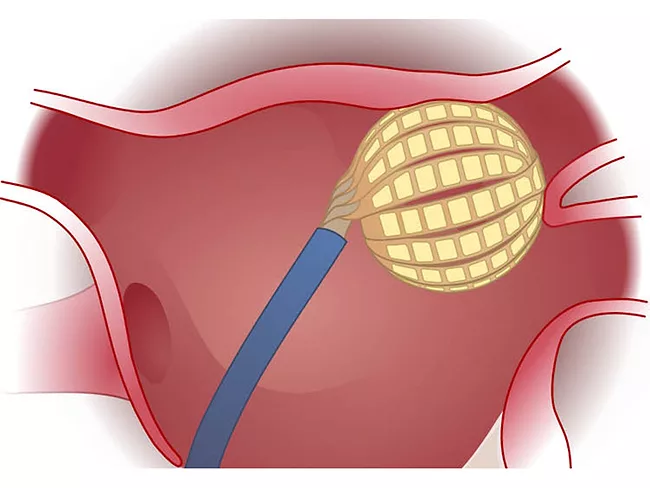
Kardium Inc.’s Globe pulsed field system received U.S. FDA premarket approval, making it the fourth PFA system in the rapidly expanding market for cardiac ablation for atrial fibrillation. The system’s introducer sheath and mapping software also received clearance.
The Sept. 3 congressional hearing on AI in health care raised questions about whether the U.S. FDA enjoys the statutory authorities it needs to properly regulate this class of products, but witnesses at the hearing said a lack of trust in AI is a substantial roadblock to adoption.
Medtronic plc received U.S. FDA approval for the expanded redo TAVR indication of the Evolut transcatheter aortic valve replacement system. The approval allows for valve-in-valve implantation of a new Evolut valve inside a failed previously implanted TAV made by any manufacturer in patients with severe aortic stenosis considered high-risk for open-heart surgery.
The U.S. Department of Health and Human Services reported Aug. 27 that Susan Monarez no longer occupies the post of director for the CDC, a development that arose within hours of the FDA’s approval of two COVID-19 vaccines with historically restrictive labeled indications.
Telix Pharmaceuticals Ltd. received an FDA complete response letter (CRL) a day after the Aug. 27 PDUFA date for its BLA for radiopharmaceutical renal cancer imaging agent, Zircaix (TLX250-CDx, 89Zr-DFO-girentuximab).
The U.S. FDA’s draft guidance for package labeling recommendations for hernia mesh products did not draw a large volume of comments, but the Medical Device Manufacturers Association advised the agency that the information disclosed on package labels should be limited as the package is often too small to provide adequate readable information.
The U.S. FDA’s Aug. 11, 2025, warning letter to LeMaitre Vascular Inc. discloses that the agency was troubled by what it saw as problems with sterility-related processes used to manufacture the Artegraft device, findings that could complicate relations between the company and its customers.
 RSS
RSS