Insightec Ltd. received U.S. FDA approval for use of its Exablate Neuro device to address severe motor symptoms in patients with Parkinson’s disease, offering a new option for patients who have not found adequate relief from medications. Exablate Neuro uses focused ultrasound to create lesions in the brain without requiring an incision or implant.
Boston Scientific Corp. gained a second U.S. FDA approval for its Farapulse pulsed field ablation catheter, expanding its use into drug-refractory, symptomatic persistent atrial fibrillation (AF) in addition to its existing approval for paroxysmal AF. The expanded indication marks the first of several regulatory approvals the company expects in the coming months.
Without using the words “universal” or “nationwide,” a U.S. district judge granted a preliminary injunction July 1 to stop the Department of Health and Human Services’ (HHS) reorganization plan, along with any workforce reduction that’s part of the plan.
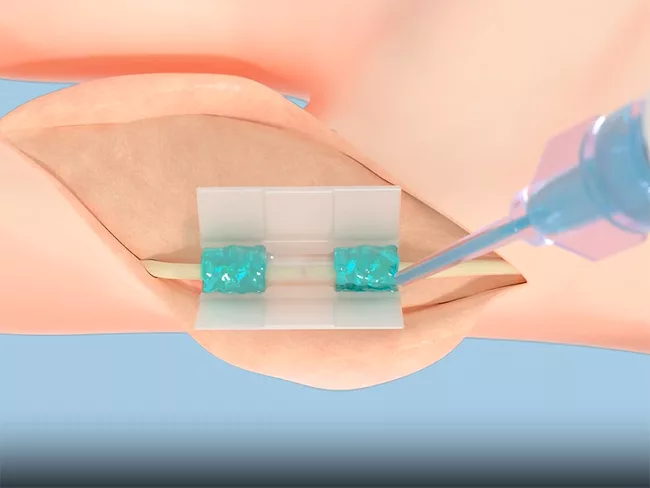
Could the U.S. FDA’s de novo marketing authorization for Tissium SA’s Coaptium Connect, an atraumatic sutureless solution for peripheral nerve repair, signal a transformative shift away from sutures in nerve surgery? Only time will tell.
The U.S. FDA finalized the latest edition of its premarket cybersecurity guidance, but the agency is of the view that any device with software is subject to the terms of the guidance even though the statute would seem to exempt device software that lacks connectivity.
Industry’s reaction to the U.S. FDA’s draft guidance for remote regulatory assessments included a request for more clarity on when the agency would issue a post-assessment report, but the final guidance makes clear the FDA sees no compelling reason to issue such a report in every instance.
According to a new listing at the FDA device recalls and alerts webpage, Dublin-based Medtronic plc., requested customers quarantine any Bravo CF capsules, an esophageal pH monitoring system.
Using informed consent to do what Congress couldn’t, the U.S. FDA is flexing its regulatory authority to halt clinical trials that involve sending cells from American patients to China or other adversarial nations for genetic engineering and subsequent infusion back into the patient.
Deepecho Inc. received the U.S. FDA’s nod for its AI-based platform that assesses fetal biometry and amniotic fluid volume to improve the efficiency and precision of fetal ultrasound diagnostics.
On the same day that FDA Commissioner Martin Makary spoke in a fireside chat during the 2025 Biotechnology Innovation Organization’s International Convention, the agency unveiled a pilot commissioner’s national priority voucher program that will enable companies to receive a shortened FDA review time of one to two months.
 RSS
RSS