Governments across the globe are struggling to keep pace with the SARS-CoV-2 virus’s impact on public health, but the new variants are presenting their own challenges. The next task facing governments across the globe is to sequence the latest mutated variants of the virus and keep track of any further mutations, all while validating new and revamped existing tests, a task that is likely to prove difficult to meet for at least the next few months.
Regeneron Pharmaceuticals Inc.’s angiopoietin-like 3 (ANGPTL3)-targeting antibody, Evkeeza (evinacumab), won FDA approval for use in reducing LDL cholesterol in patients with homozygous familial hypercholesterolemia.
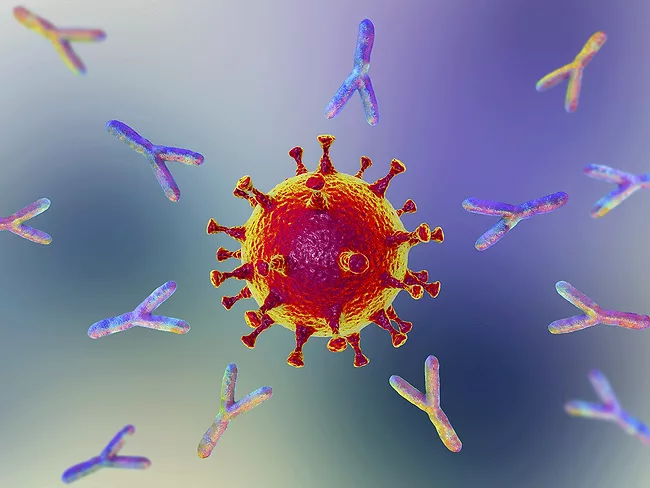
Diagnostic manufacturers are turning their attention to antibodies for those who have been vaccinated for the SARS-CoV-2 virus, and the U.S. FDA’s Tim Stenzel had some advice about this on the Feb. 10 testing town hall. Stenzel advised that developers think of such tests in the same vein as a companion diagnostic (CDx) in that these antibody test will have to be separately validated for each vaccine that is included in the test’s labeled claims.
Another monoclonal antibody therapy has entered the pandemic fray with the FDA granting emergency use authorization (EUA) for bamlanivimab (LY-CoV555) 700 mg and etesevimab (JS016 or LY-CoV016) 1,400 mg as a cocktail for treating mild to moderate COVID-19 in patients aged 12 and up at high risk for progressing to severe COVID-19 and/or hospitalization.
Among the low-hanging fruit for pruning back U.S. drug prices is the development of generics referencing complex drugs, a category that includes drug-device combination products and nonbiologic drugs with a complex molecular base, route of administration or formulation, such as abuse-deterrent opioids.
The latest global regulatory news, changes and updates affecting medical devices and technologies, including: FDA posts advisory for respiratory splitters; NICE: Propel device not ready for routine use; MITA sounds off on third parties with white paper; Ethicon, AIM settle on Esutures sales.
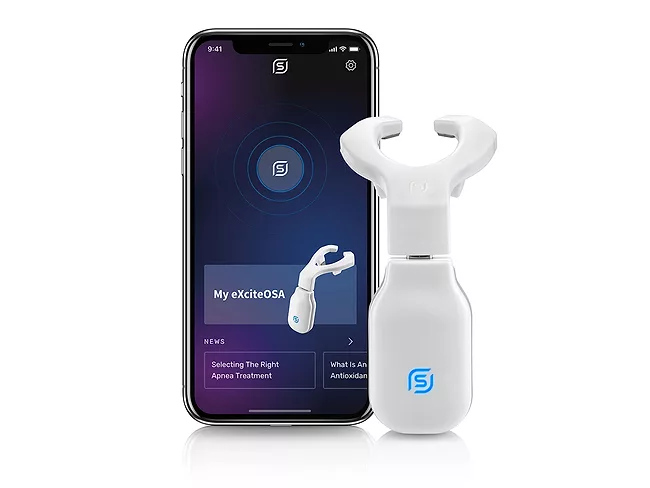
The U.S. FDA granted de novo authorization for Signifier Medical Technologies LLC’s ExciteOSA, the first treatment for mild obstructive sleep apnea and snoring designed for daytime use. Used for 20 minutes a day, the device improves the function of the tongue muscle to prevent airway obstruction while sleeping. ExciteOSA, previously called Snoozeal, already has a CE mark.
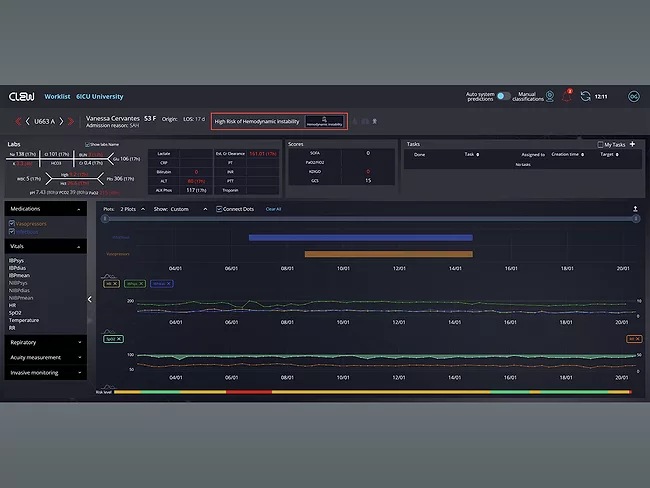
The U.S. FDA granted 510(k) clearance for Clew Medical Ltd.’s artificial intelligence (AI)-based solution that can predict hemodynamic instability in ICU patients eight hours in advance of deterioration. The system continuously monitors and stratifies patients by risk level to enable optimization of ICU resources.
While it’s too late to save the contingent value rights connected with the acquisition of Celgene Inc., Bristol Myers Squibb Co.’s CD19-targeted CAR T therapy, lisocabtagene maraleucel, for treating certain types of relapsed or refractory large B-cell lymphoma patients who have received at least two prior therapies, won FDA approval.
Executives of TG Therapeutics Inc. have promised a big year in 2021 and the company got off to strong start with accelerated FDA approval of umbralisib in marginal zone lymphoma and follicular lymphoma. Branded Ukoniq, the drug is the first oral, once-daily inhibitor of PI3K delta and CK1 epsilon and TG’s first commercial product. Pricing for Ukoniq has not yet been disclosed.

 RSS
RSS