PERTH, Australia – Perth-based regenerative medicine company Orthocell Ltd. saw its shares rise 27% on the heels of its first U.S. approval for its collagen medical device for dental guided bone and soft tissue regeneration applications. “It’s an important milestone for us, and one that came quicker than I was expecting it to come,” Orthocell CEO Paul Anderson told BioWorld. The company submitted its 510(k) application to the FDA in May, and he was expecting approval by the middle of 2021.
The latest global regulatory news, changes and updates affecting medical devices and technologies, including: HHS examines device classification process at FDA; NIH offers NGS system for SARS-CoV-2; FDA issues pandemic policy for coagulation systems.
Reports of multiple new variants of the SARS-CoV-2 virus have emerged, raising questions about the efficacy of vaccines, but also regarding the utility of diagnostic and other tests. The U.S. FDA’s Tim Stenzel said single-target tests are thus at a greater risk of returning a false negative result, adding that these developers “should consider this carefully” in surveillance of their tests.
The latest global regulatory news, changes and updates affecting medical devices and technologies, including: New test beats biopsy for transplant rejection; NICE eyes digital health HTAs; MHRA moves on the hazards of bedrails; TGA zeroes in on tests for COVID-19; HHS posts rule for agency enforcement action.
Cognito Therapeutics Inc. has revealed that its lead product has received breakthrough device designation from the U.S. FDA for the treatment of cognitive and functional symptoms associated with Alzheimer’s disease. The offering is a noninvasive neurostimulation device using gamma frequency technology and is the initial candidate in the company’s pipeline of digital therapeutics for neurodegenerative diseases and other chronic indications.
The U.S. FDA has issued an action plan for regulation of artificial intelligence and machine learning (AI, ML), which includes issuance of a draft guidance for change control for adaptive algorithms. There is no guarantee a final guidance will emerge before 2022, however, leaving developers with another year – perhaps longer – of uncertainty as to how to handle change control for their algorithms.
Helix Opco LLC, a company specializing in population genomics, has received de novo marketing authorization from the U.S. FDA for its whole exome sequencing platform, which covers roughly 20,000 genes. The San Mateo, Calif.-based company also picked up 510(k) clearance from the FDA for the first test to run on the Helix Laboratory Platform, a genetic health risk application for late-onset Alzheimer’s disease. That test has been cleared for over-the-counter use in conjunction with the Helix Laboratory Platform.
The latest global regulatory news, changes and updates affecting medical devices and technologies, including: CMS finalizes MCIT rule; HHS lists permanent waivers of notification; FDA schedules advisory meeting for latest Lutonix model; HHS announces telehealth grants; Telemarketer caught in sting over telehealth fraud; Churn at FDA chief counsel’s office.
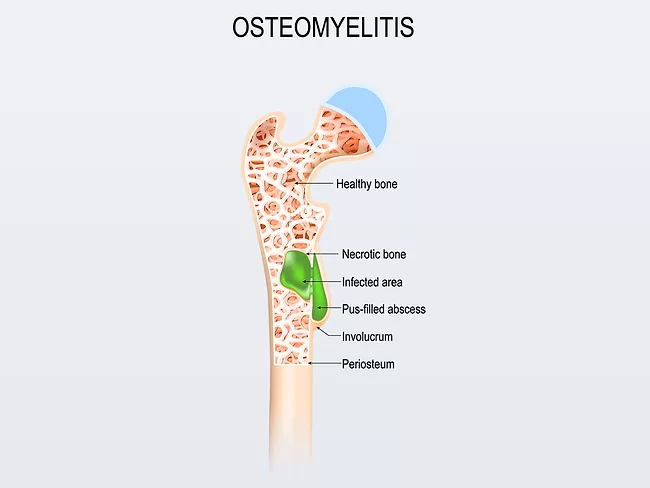
Cognitoss, a resorbable bone graft in development by Locate Bio Ltd., received U.S. FDA breakthrough device designation for treating chronic osteomyelitis, a progressive, inflammatory bone infection. The graft uses a new class of composite collagen product combined with a dual-phasic release of antibiotics to prevent reinfection.
TORONTO – Scan the literature on mental health technologies, and you’ll find treatment apps for everything from depression to addiction. What you won’t find, said Claude Hariton, vice president and chief scientific officer at Quebec City-based Diamentis Inc., are tools to diagnose mental diseases. It’s a gap the company hopes to fill with Retinal Signal Processing and Analysis (RSPA), a tool just accepted into the U.S. FDA’s breakthrough devices program that diagnoses mental diseases from retinal signals in the eye.
 RSS
RSS