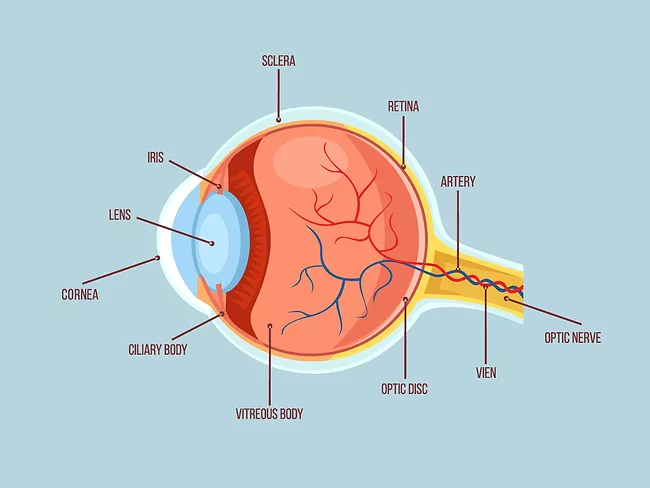
Endogena Therapeutics Inc. has received FDA clearance of its IND application for EA-2351 for geographic atrophy, an advanced form of age-related macular degeneration (AMD).
Seastar Medical Holding Corp. was granted a third breakthrough device designation by the U.S. FDA for its Selective Cytopheretic device (SCD), a biomimetic membrane-based device used to treat patients with acute inflammatory conditions, which can cause organ failure and death. The latest designation is for its use in patients with hepatorenal syndrome. It follows other indications including cardiorenal syndrome and in adults with acute kidney injury (AKI).
The U.S. FDA is once again revising its guidance on how drug and device makers can share scientific reprints and reference texts with health care providers regarding off-label uses of their approved or cleared products.
Vaxcyte Inc. has received FDA clearance of its IND application for VAX-31, a 31-valent pneumococcal conjugate vaccine (PCV) candidate designed to prevent invasive pneumococcal disease.
As COVID-19 vaccine development continues, the U.S. FDA is releasing a revised version of its 2020 guidance, “Development and licensure of vaccines to prevent COVID-19.”
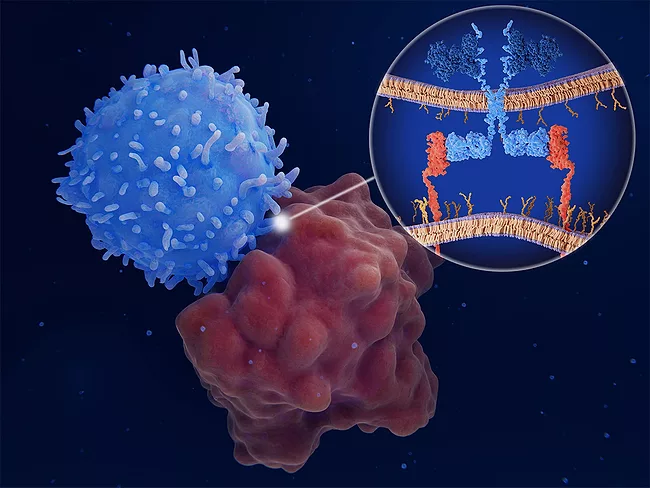
Caribou Biosciences Inc. has received FDA clearance of its IND application for CB-012, an allogeneic anti-C-type lectin-like molecule-1 (anti-CLL-1) chimeric antigen receptor (CAR) T-cell therapy. CLL-1 is highly expressed on acute myeloid leukemia (AML) cells and leukemic stem cells, but it is not expressed on hematopoietic stem cells.
“Finally!” Piper Sandler analysts cheered in a research note on Ardelyx Inc., which after spending three years battling the U.S. FDA, secured approval of Xphozah (tenapanor) for treating hyperphosphatemia in adults with chronic kidney disease (CKD). The company will waste no time getting to market, aiming to have the NHE3 inhibitor available to patients next month, marking the first new treatment class for hyperphosphatemia in 30 years.
Y-Mabs Therapeutics Inc. has received FDA clearance of its IND application for CD38-SADA, the company’s second program within its SAYA Y-PRIT (Self-Assembly DisAssembly Pre-targeted Radioimmunotherapy) theranostic platform.
Bloomsbury Genetic Therapies Ltd. has announced U.S. and E.U. orphan drug designations for BGT-NPC, an investigational gene therapy for the treatment of Niemann-Pick disease type C (NPC). BGT-NPC is an investigational AAV9 gene therapy designed to provide a potentially curative solution to NPC patients following a one-time injection in the cerebrospinal fluid.
Investors awaiting the announcement of a partnering deal for RASP modulator reproxalap ahead of the drug’s Nov. 23 PDUFA date were in for a rude awakening, as Aldeyra Therapeutics Inc. disclosed that the U.S. FDA had raised issues with the NDA, putting its imminent approval in dry eye disease in doubt. The update, disclosed in an SEC filing, sent shares (NASDAQ:ALDX) sinking 66%, or $3.60, to close Oct. 16 at $1.83.
 RSS
RSS