With the U.S. FDA’s approval of Biolinerx Ltd.’s stem cell mobilization agent Aphexda (motixafortide) for treating multiple myeloma (MM) patients, the company is prepping for a launch in the next two or three weeks.
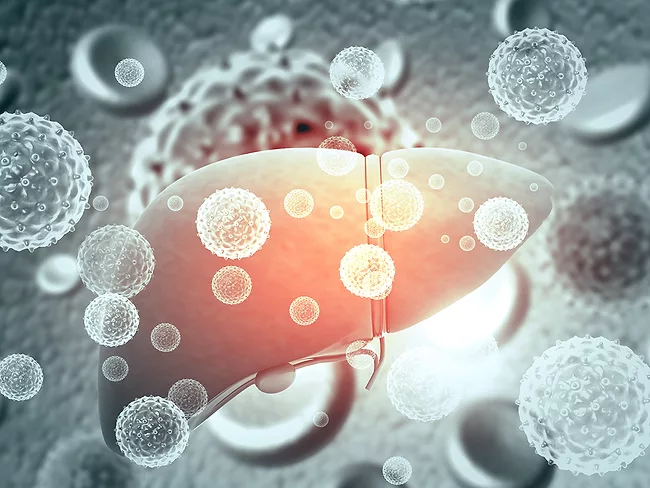
In a potential breakthrough for diagnosis and treatment development of liver disease, the Biomarkers Consortium’s Noninvasive Biomarkers of Metabolic Liver Disease (NIMBLE) project demonstrated that a blood test could diagnose nonalcoholic steatohepatitis (NASH), an increasingly common liver disease in the U.S. The study, published in Nature Medicine, identified four biomarkers that outperform current liquid biopsies for NASH.
Direct-to-consumer advertising (DTC) for medical devices does not present the same policy footprint as DTC ads for drugs, but Congress recently asked the U.S. Government Accountability Office (GAO) to investigate device advertising to evaluate whether reforms are needed. GAO responded to the effect that while the literature lacks any useful studies on the question, some stakeholders believe that DTC device ads give short shrift to risk information, a finding that may prompt Congress to enact new legislation on the question.
Japan’s Pharmaceutical and Medical Devices Agency (PMDA) has jumped on board the e-consent train for clinical trials, publishing a guidance for the use of electronic means for obtaining a study participant’s informed consent.
Amsterdam-based Royal Philips NV reported that it has come to terms with customers and end users of its respiratory equipment to the tune of $479 million, which will reimburse for the cost of these systems. The problem for the company is that the settlement does not affect any personal injury cases, and thus represents only a partial closure of a controversy that has dogged the company for several years.
Artelo Biosciences Inc. has completed a pre-IND meeting with the FDA regarding the manufacturing, preclinical and clinical development plan for ART-26.12.
While the U.S. FDA’s preclinical and clinical trial framework is generally well-suited to adapt to the use of artificial intelligence (AI) in developing new drugs, its regulatory framework for medical devices that incorporate evolving AI leaves a lot to be desired, according to Sen. Bill Cassidy (R-La.), the ranking member of the Senate Health, Education, Labor and Pension Committee.
Laborie Medical Technologies Inc. continued a string of recent deals with an agreement to acquire Urotronic Inc. for $255 million cash up front with an additional $345 million in payments contingent on meeting specified commercial and reimbursement milestones. Laborie already held a minority interest in the manufacturer of the Optilume drug-coated balloon technology for treatment of urethral strictures and benign prostatic hyperplasia (BPH).
 RSS
RSS