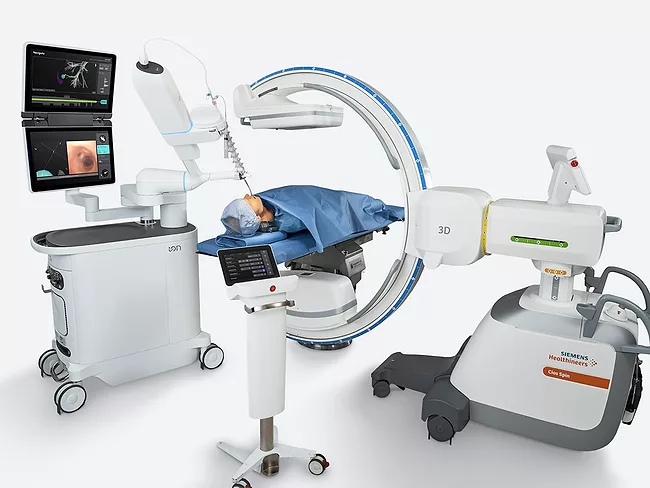
Lung cancer claims more lives each year than any other cancer, making early and accurate diagnosis crucial to improving survival rates. To that end, the U.S. FDA has cleared the integration of Intuitive Surgical Inc.’s Ion endoluminal system and Siemens Healthineers AG’s Cios Spin mobile imaging cone-beam CT imaging technology to enhance robotic lung biopsies.
The U.S. FDA is hailing two revised draft guidances it released July 5 as “critical steps” toward implementing the electronic drug tracing requirements of the Drug Supply Chain Security Act.
The U.S. FDA’s guidance to COVID-19 vaccine manufacturers, announced June 30, that they should develop modified bivalent boosters that include an omicron BA.4/5 spike protein component marks the beginning of a new era in the pandemic in which manufacturers are no longer driving the development of the vaccines.
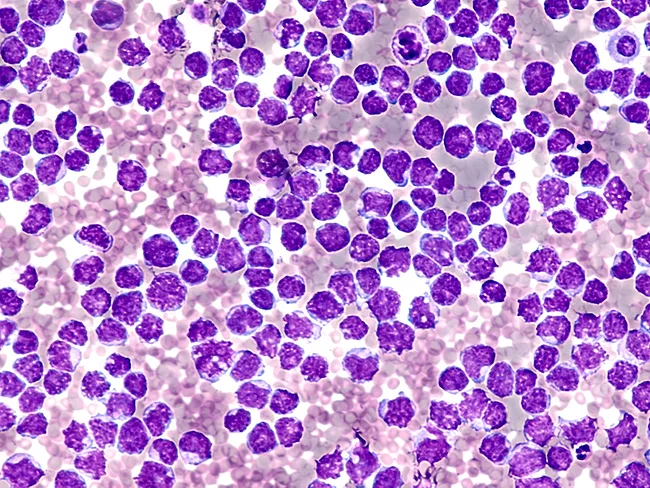
Genmab A/S, of Copenhagen, Denmark, said it intends to file a BLA with the U.S. FDA for its subcutaneous bispecific antibody epcoritamab, for patients with relapsed/refractory large B-cell lymphoma in the second half of 2022.
GE Healthcare issued a class I recall for Carescape R860 ventilators that covers more than 4,000 units distributed in the U.S., which was necessitated by problems with the battery backup component. No injuries or deaths have been reported in connection with the problem.
The U.S. FDA has put five phase III studies of Sanofi SA’s potential multiple sclerosis and myasthenia gravis blockbuster tolebrutinib on partial clinical hold after several cases of liver injury were identified after exposure to the drug. Sanofi said new recruitment in the U.S. is paused and participants who have been part of the trial for fewer than 60 days should stop taking tolebrutinib, although those taking the drug for longer can continue.
Shares in Ipsen SA edged higher June 29 after the firm announced it had refiled its palovarotene NDA with the U.S. FDA for the ultra-rare disease fibrodysplasia ossificans progressiva. The regulator granted a six-month priority review for the drug, which was once written off and had its FDA filing pulled in 2021 after officials asked for further analyses and data.
Given that Novavax Inc.’s COVID-19 vaccine will be a latecomer to the U.S. scene if it gets FDA authorization, it’s been cast in a supporting role to the lead being played by the mRNA vaccines from Moderna Inc. and Pfizer Inc.-Biontech SE. But the data presented at the June 28 Vaccines and Related Biologic Products Advisory Committee meeting suggest the Novavax adjuvanted protein vaccine may have the chops to take on a larger role in taming the pandemic.
Shares in Acutus Medical Inc. (NASDAQ:AFIB) are trading 50% higher after the arrhythmia management company reported the launch of an expanded suite of its Acqcross left-heart access products. The Carlsbad, Calif.-based company received an expanded U.S. FDA clearance for its Acqcross Qx system for use with Natick, Mass.-based Boston Scientific Corp.’s Watchman left atrial appendage closure (LAAC) device.
Spero Therapeutics Inc.’s oral antibiotic, tebipenem Hbr, has been rejected by the U.S. FDA for adults with complicated urinary tract infection, after the regulator said a further trial is needed for approval.
 RSS
RSS