Alain Bouaziz, a French citizen and resident of the United Arab Emirates, pleaded guilty Aug. 12 to one count of lying to the U.S. FDA in an attempt to steal a discontinued Novartis AG weight loss drug. The charge carries a maximum prison term of five years and a fine of up to $250,000, or twice the gain or loss caused by the offense, whichever is greatest.
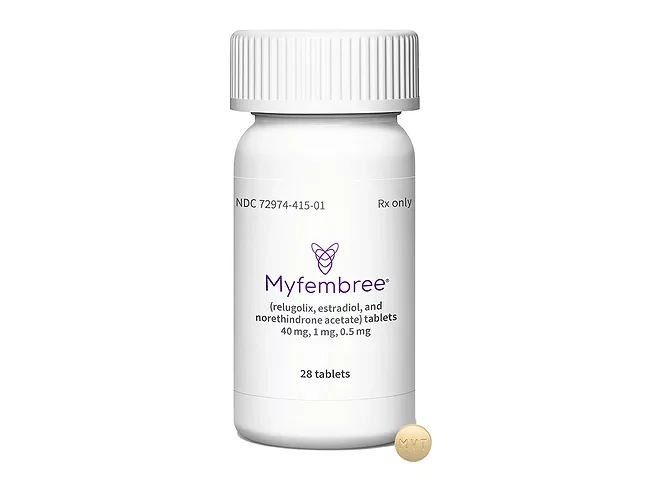
Women now have a new treatment option for dealing with the pain associated with endometriosis with U.S. FDA approval of Myfembree (relugolix/estradiol/norethindrone acetate) for managing moderate to severe pain associated with endometriosis in premenopausal women.
Rapid Medical Inc. received FDA clearance for the Tigertriever 13, termed “the smallest and only adjustable thrombectomy device” for treating brain clots causing ischemic stroke. Stealing a page from aerospace engineers, Sunrise, Fla.-based Rapid Medical has developed complex, 3D “braiding” technology enabling its mechanical stent retriever to gain better access to and treat deeply embedded brain clots.
The U.S. FDA’s effort to push companies toward more and better randomized, controlled trials ahead of accelerated approvals – apparently driven by the lack of confirmatory studies done afterward – is “an important and meaningful move by the agency,” said Day One Pharmaceuticals Inc. CEO Jeremy Bender. “The industry’s history in that space has been a little mixed.” Bender’s remarks came Aug. 9 as part of a wide-ranging panel discussion hosted by analyst Robert Driscoll during the Wedbush Pacgrow Healthcare Conference.
Women now have a new treatment option for dealing with the pain associated with endometriosis with U.S. FDA approval of Myfembree (relugolix/estradiol/norethindrone acetate) for managing moderate to severe pain associated with endometriosis in premenopausal women.
Recent U.S. FDA actions could transform decades of prostate cancer care. Two companies focused on prostate cancer received good news from the FDA for their artificial intelligence (AI)-driven software. Bot Image Inc. gained FDA clearance for its medical device computer-aided detection and diagnostic tool, Prostatid. The agency also provided FDA investigational device exemption for Avenda Health Inc.’s Focalpoint ablation system that enables more accurate mapping of a patient’s prostate cancer for better surgical results.
The U.S. FDA granted digital therapeutics company Bodyport Inc. 510(k) clearance for its heart monitoring weight scale. The digital solution includes sensors and algorithms that measure hemodynamic biomarkers to assess heart function and fluid status when patients take their daily weight. San Francisco-based Bodyport told BioWorld the platform is for heart failure (HF) patients in the U.S.
An investor’s wish to know more about the total landscape of a drug candidate is not enough, on its own, to make a company’s disclosures about the drug and its development materially misleading. So said the U.S. Court of Appeals for the First Circuit in affirming the dismissal of a shareholder suit against Karyopharm Therapeutics Inc. and its executive officers.
The U.S. FDA has approved Daiichi Sankyo Co. Ltd. and Astrazeneca plc’s Enhertu (fam-trastuzumab deruxtecan) as the first HER2-directed therapy for patients with HER2-low metastatic breast cancer.
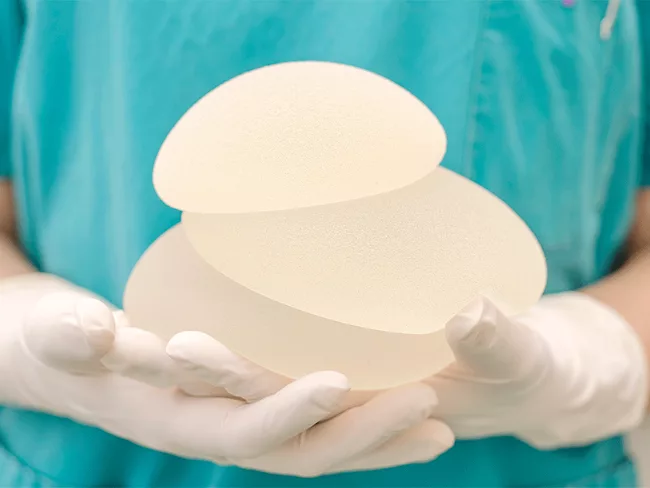
The U.S. FDA has updated its data on the number of fatalities across globe associated with breast implant-associated anaplastic large cell lymphoma (BIA-ALCL), which has now reach 59 fatalities. That number is up from 33 reported in July 2019 but is also a number the agency continues to assert may be a significant undercount.

 RSS
RSS